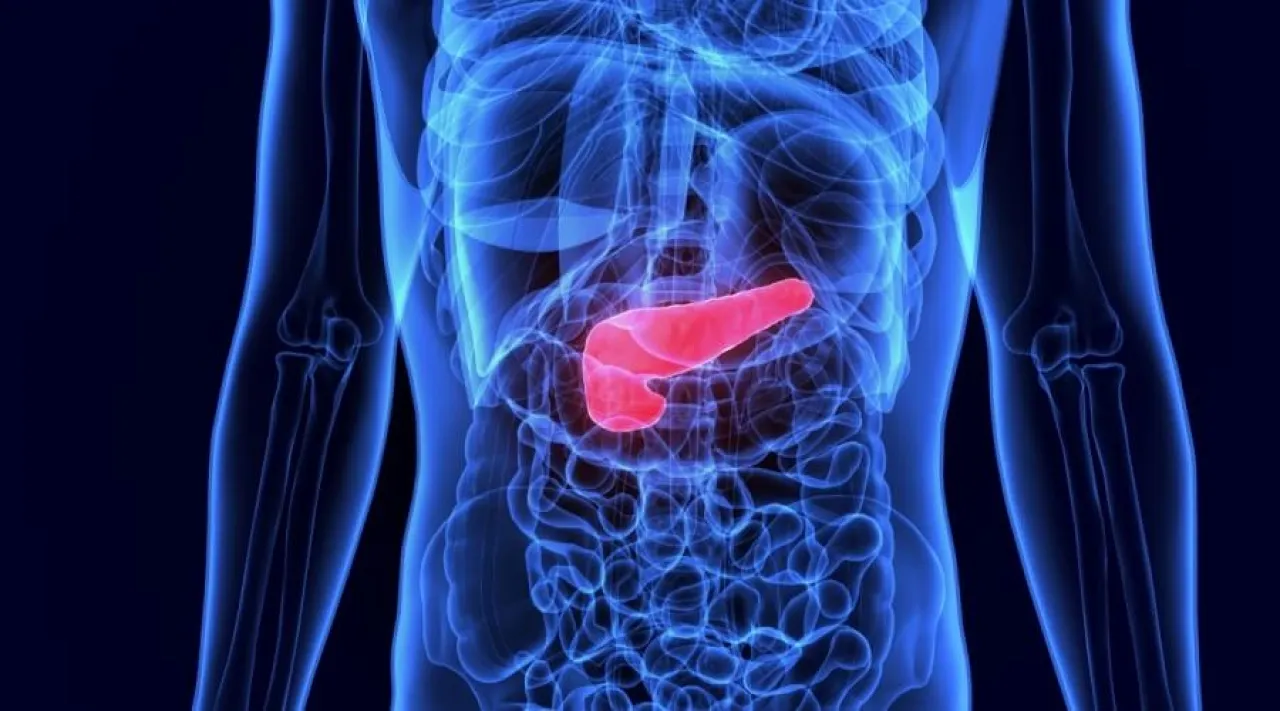
Khaberni - Scientists from Novosibirsk Medical University have developed a new method for treating acute pancreatitis and have obtained a patent for it.
According to the patent, the new method reduces the duration of hospital stay and decreases the risk of complications compared to previously used methods. Additionally, it can be used in all hospitals regardless of their level.
The inventors note that previous methods for treating acute pancreatitis often failed to effectively deliver medications to the pancreas due to anatomical features or the presence of scar tissue. Many of these methods were only effective in specific cases of the disease, but were unable to restore the damaged organ tissues. Moreover, some led to complications, such as toxic reactions from administering very large quantities of drugs.
The innovative method consists of two stages. In the first stage, the patient is injected in the falciform ligament of the liver with a mixture of anesthetic and the enzyme hyaluronidase. This mixture alleviates pain and improves the flow of fluids and lymph in the tissues surrounding the pancreas, allowing better delivery of the medication to the affected organ. In the second stage, a small amount of the patient's own blood plasma is injected in the area adjacent to the pancreas. This plasma is rich in platelets and helps regenerate tissues. Five days later, doctors monitor the patient's condition using examinations and ultrasound. If the inflammation has not subsided, the process is repeated until pancreatic function returns to normal. According to the inventors, this method is less invasive compared to many other methods and is suitable for treatment in hospitals of varying levels.
The new method for treating acute pancreatitis has been tested on patients, and their treatment results were compared with a control group. The control group experienced higher rates of complications (60 percent of cases), and their average hospital stay was significantly longer. Therefore, the inventors believe it helps shorten treatment duration and reduce the risk of complications.