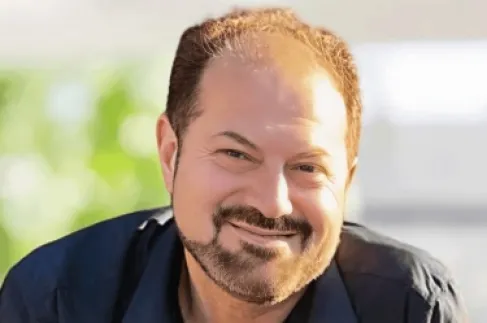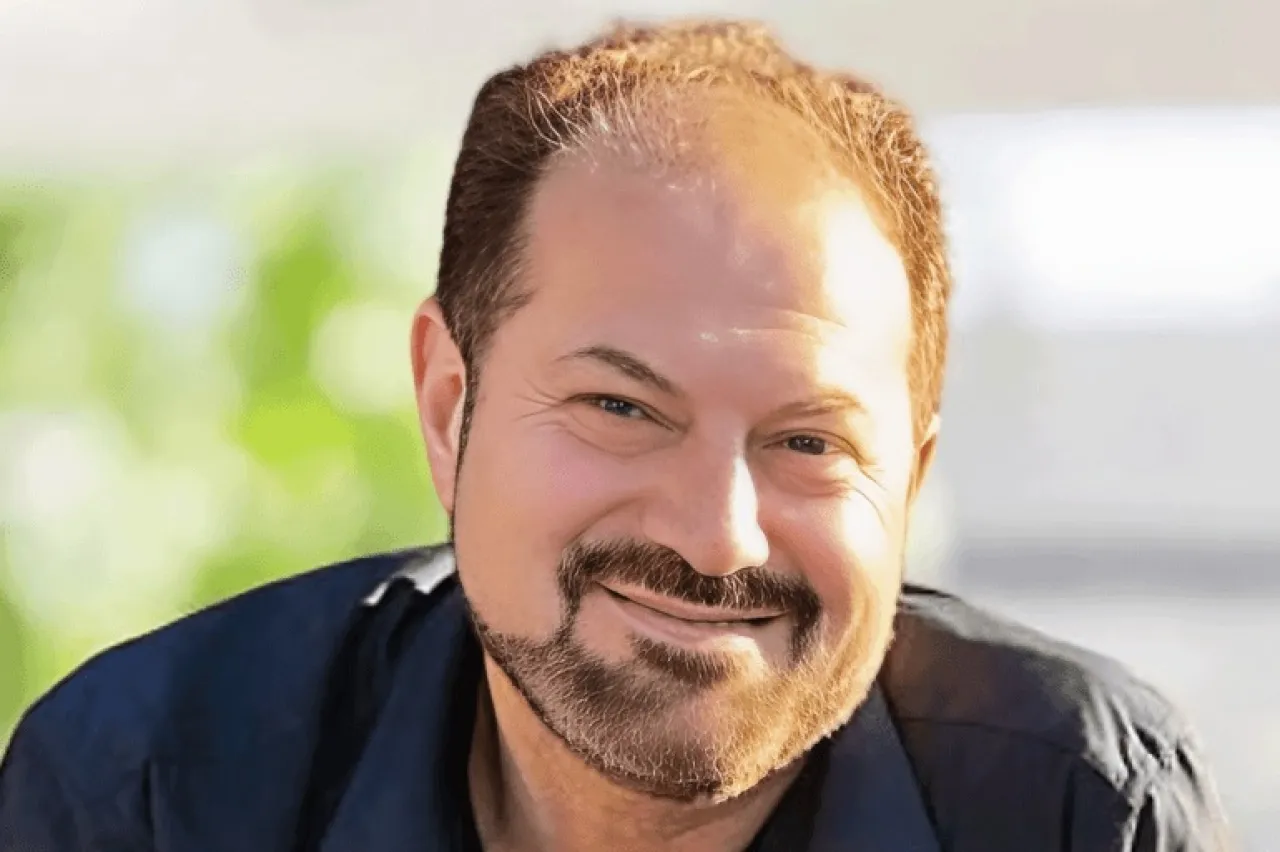
Khaberni - Under a judicial order, the imam of the largest mosque in Wisconsin, Salah Sarsour, was released. Sarsour, an American of Palestinian origin, was detained by the U.S. Immigration and Customs Enforcement on March 30.
The order came after a federal judge concluded that Salah Sarsour had presented a "credible" claim of being targeted for expressing his support for Palestinian rights.
The U.S. District Court Judge James Patrick Hanlon, appointed by President Donald Trump during his first term, wrote in a decision issued on Thursday that lawyers representing the Immigration and Customs Agency and the Department of Homeland Security had not provided sufficient evidence to refute Salah Sarsour’s claims of retaliation for exercising his freedom of speech, nor had they clarified why he was suddenly considered a threat now, after more than three decades of legal residence in the United States.
However, the judge clarified that Salah must remain in Wisconsin, where the case against him is ongoing.
According to the Islamic Society of Milwaukee, which operates the largest mosque in Wisconsin, Salah, a 53-year-old who grew up in the occupied West Bank, is a permanent resident who has been living legally in the United States for over three decades.
The mosque previously stated that Salah was "targeted based on his Palestinian and Islamic background, and his defense of Palestinian rights."
After his release, Salah said he would never stop fighting for Palestine and humanity, wherever he is, adding "I feel great relief to be with my family."
The Council on American-Islamic Relations (CAIR), which was among those calling for his release, welcomed the decision.
President Trump's administration has led a repressive campaign against voices supporting Palestinians by attempting to deport foreign protesters and threatening to freeze funding for universities that have witnessed protests, and ordering checks on the online activities of immigrants. However, these actions have faced legal obstacles.
President Trump says that voices supporting Palestinians are antisemitic and support extremists, according to him. However, their defenders—including Jewish groups—assert that the U.S. government is erroneously conflating criticism of Israel's genocidal war on Gaza with antisemitism, and separating the defense of Palestinian rights from supporting extremism.