Khaberni - Professor Mihran Mamidov, a heart disease specialist, stated that high blood pressure is one of the main factors causing myocardial infarction and strokes.
The professor emphasized that regularly adhering to prescribed medications for treating high blood pressure significantly helps in reducing the risks of serious health and life complications, warning against missing therapeutic doses.
He explained that modern blood pressure medications provide protection for the heart and blood vessels lasting at least 12 hours, making it essential to adhere to the medication schedule to maintain their therapeutic effectiveness.
Monitoring blood pressure before visiting the doctor
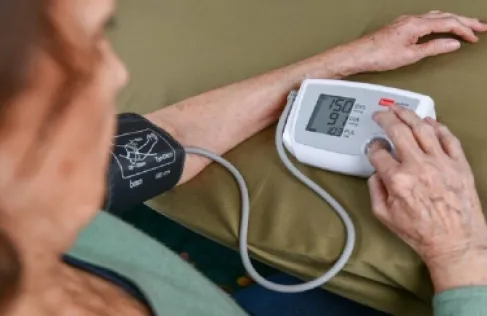
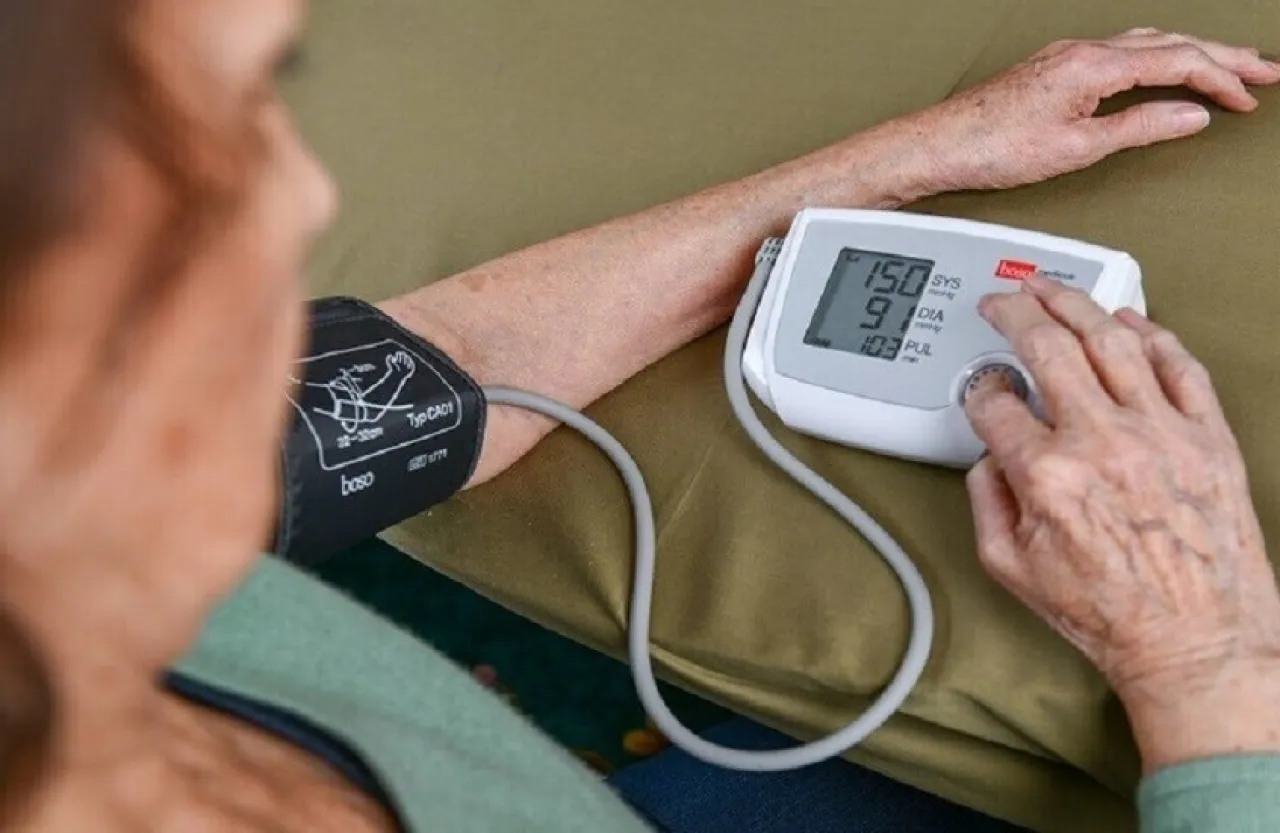
The professor advised patients to record their blood pressure and pulse readings daily for at least two weeks before consulting a doctor, with measurements taken at least twice a day, morning and evening, to help the doctor accurately assess the condition and determine the appropriate therapeutic dose.
Reducing salt and limiting processed foods
He pointed out that about 80% of daily salt consumption comes from processed and ready-made foods, such as processed meats, cheeses, canned goods, and sauces, noting that these products often also contain high levels of saturated fats that contribute to raising harmful cholesterol levels.
He added that excessive salt intake leads to fluid retention in the body, which raises blood pressure and increases the strain on the heart and kidneys.
Based on that, he recommended reducing salt consumption to less than 5 grams per day, equivalent to about a level teaspoon, including the amounts found in ready-made foods.
He also mentioned that some elderly people might benefit from using potassium-rich salt substitutes, which can help lower blood pressure and reduce the risk of stroke, stressing the importance of consulting a doctor before using them to avoid any potential health complications.
The importance of lowering cholesterol
Mamidov explained that patients with heart and cardiovascular diseases, or those at high risk of such diseases, may need to take cholesterol-lowering medications from the statin group, according to the treatment plan determined by the cardiologist based on an assessment of risk factors for each patient.
Hydration and proper nutrition for the elderly
He noted that the sense of thirst declines with age, making the elderly more prone to dehydration, especially in hot weather. Therefore, he emphasized the importance of drinking adequate amounts of fluids, primarily water.
According to the European recommendations on nutrition and hydration in geriatric medicine, women are advised to consume about 1.6 liters of fluids daily, compared to about two liters for men, distributing the quantity throughout the day at a rate of approximately one cup every hour to an hour and a half during waking hours.
He added that the elderly need to consume at least 0.8 grams of protein per kilogram of body weight daily, to help maintain muscle mass and vital functions.
He also clarified that the body's caloric needs decrease with age, hence it is advised to follow a balanced diet that includes five meals a day, distributed between three main meals and two light meals, to help maintain a healthy weight and reduce the strain on the heart and blood vessels.