Khaberni - Air conditioning forms an indispensable refuge to escape the high heat and stifling humidity in the summer. At home, in the car, and at work, we spend long hours under the cool air currents searching for comfort and refreshment. However, while air conditioning provides more moderate conditions, it may leave undesirable effects on the hair and scalp without many noticing. With rising temperatures, complaints about dry hair, flyaways, split ends, and loss of natural shine increase.
Often, fingers are pointed at sunlight, sea water or chlorine in swimming pools, yet hair care experts point to another factor that may play a significant role in these problems, which is prolonged exposure to conditioned air.
How does conditioned air affect the hair?
Hair needs a certain amount of moisture to maintain its elasticity and healthy appearance. When continually exposed to conditioned air, it gradually loses some of its natural moisture, making it rougher and less shiny. With this impact continuing day after day, the likelihood of damage and split ends increases, as air conditioning units work by lowering the temperature and reducing humidity in the indoor air. Although this process makes the atmosphere more comfortable, it also creates a drier environment at the same time.
So far, there is no scientific evidence confirming that air conditioning directly causes hair loss, but its indirect effect can be significant, as continuous dryness weakens the outer layer of the hair strand, making it more prone to breakage during combing or styling. When the hair strands break frequently, the hair appears less dense and shorter than it actually is, which may give a false impression that hair growth has become slower. The truth is, the problem often lies in the loss of parts of the hair strand due to breakage, not in the cessation of its growth.
Scalp under pressure
The effect of dry air is not limited to hair strands alone, it also extends to the scalp. Constant exposure to conditioned air can disrupt the natural balance of moisture, leading to dryness or itching for some people. In some cases, mild dandruff may appear or the feeling of discomfort may increase, especially for those already suffering from scalp sensitivity or certain skin conditions. This issue is particularly important because the health of the scalp is one of the fundamental factors that support the growth of strong and healthy hair.
Signs worth paying attention to
It may not be easy to link conditioned air with hair problems, but there are some indicators that may suggest hair is affected by dry air, including:
* Loss of natural shine.
* Increased flyaways and difficulty controlling strands.
* Noticeable dryness at the ends.
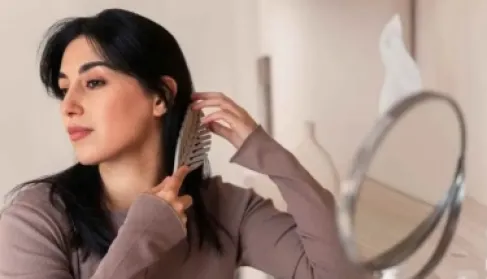
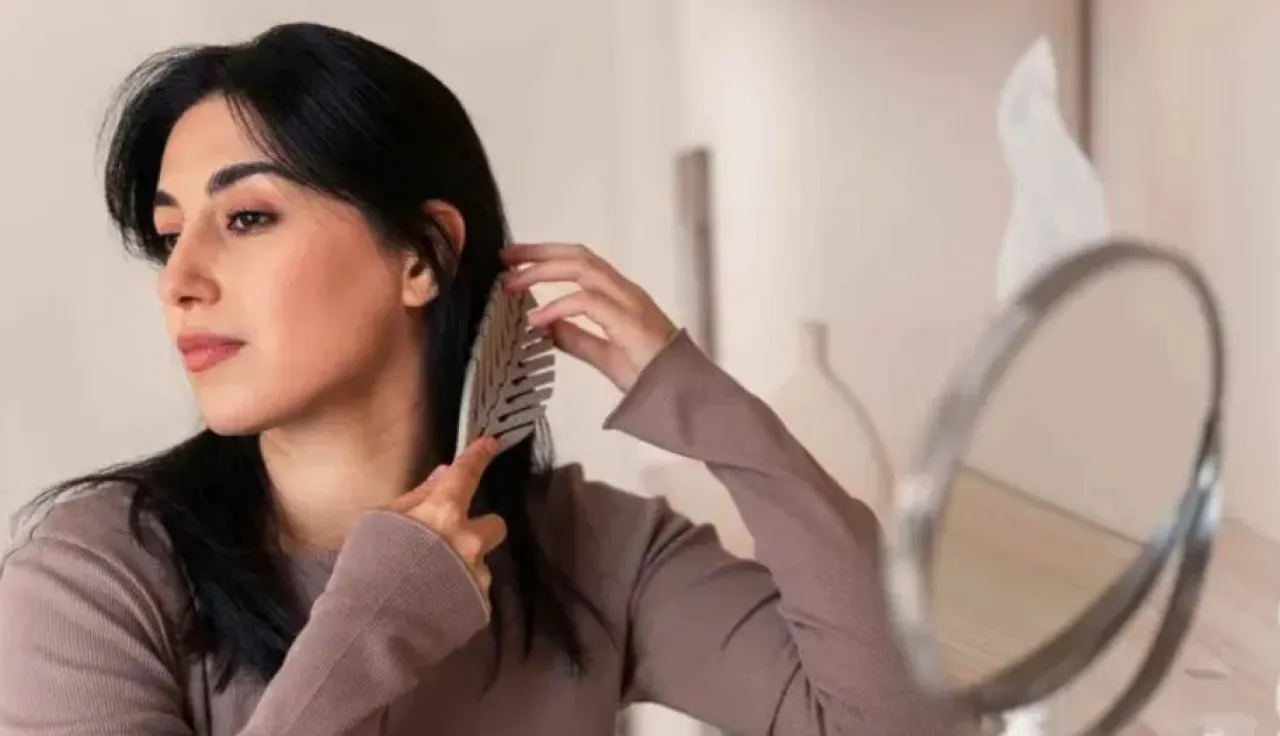
* Hair breakage during combing.
* Feeling of itchiness or dryness on the scalp.
* Increased tangling of hair compared to other times of the year.
Noticing these signs during long periods spent in air-conditioned places, it might be beneficial to reconsider your hair care routine.
How to maintain hair hydration
Hydration is the first line of defense against the effects of dry air. Therefore, it is advisable to use a moisturizing conditioner after washing the hair, as it helps reduce moisture loss and maintain the smoothness and elasticity of the hair strand. Hair masks that are nourishing can also be used once or twice a week, especially those containing components known for their hydrating capabilities such as glycerin
and plant oils and ceramides. These components help improve hair texture and reduce the appearance of dryness and split ends.
Hair care is not limited to external products only, but also starts from inside the body. During the summer, and with constant exposure to heat and conditioned air, the body's need for fluids increases. For this reason, drinking adequate amounts of water daily helps support overall hydration, including for the hair and scalp. This can be enhanced by consuming water-rich fruits and vegetables, such as watermelon, cucumber, and citrus fruits.
When heat meets dryness
One of the habits that may harm hair during the summer is the excessive use of heat styling tools in conjunction with sitting for long hours in air-conditioned environments. The hair that has lost some of its moisture due to dry air becomes more sensitive to the hairdryer or straightening or curling irons. When these practices are repeated daily, problems of damage, split ends, and loss of natural elasticity may worsen. Therefore, it is preferable to minimize the use of heat as much as possible and use heat protection products when needed.
Simple steps make a difference
Some simple measures can help protect the hair from the harmful effects of conditioned air, such as avoiding directing air directly at the head, regularly using moisturizing hair products, and trimming split ends regularly. Additionally, massaging the scalp for a few minutes daily can stimulate blood circulation and improve scalp health, which positively reflects on hair strength and appearance.
Air conditioning may not be the first thing that comes to mind when discussing summer hair problems, but it can contribute to depleting the natural moisture of the hair and scalp over time. Between dryness, split ends, and flyaways, hair can lose some of its vitality if not properly cared for. The good news, however, is that simple steps such as enhancing hydration, reducing excessive heat exposure, and caring for the scalp are enough to maintain healthy and shiny hair even during the hottest days of summer.