Khaberni - Recently, Israel faces what resembles an international isolation and a sweeping, escalating wave of international sanctions and boycotts targeting government ministers, settlers, academic and economic entities, in a scene described by observers as a transformation of Israel into the "most boycotted country in the world".
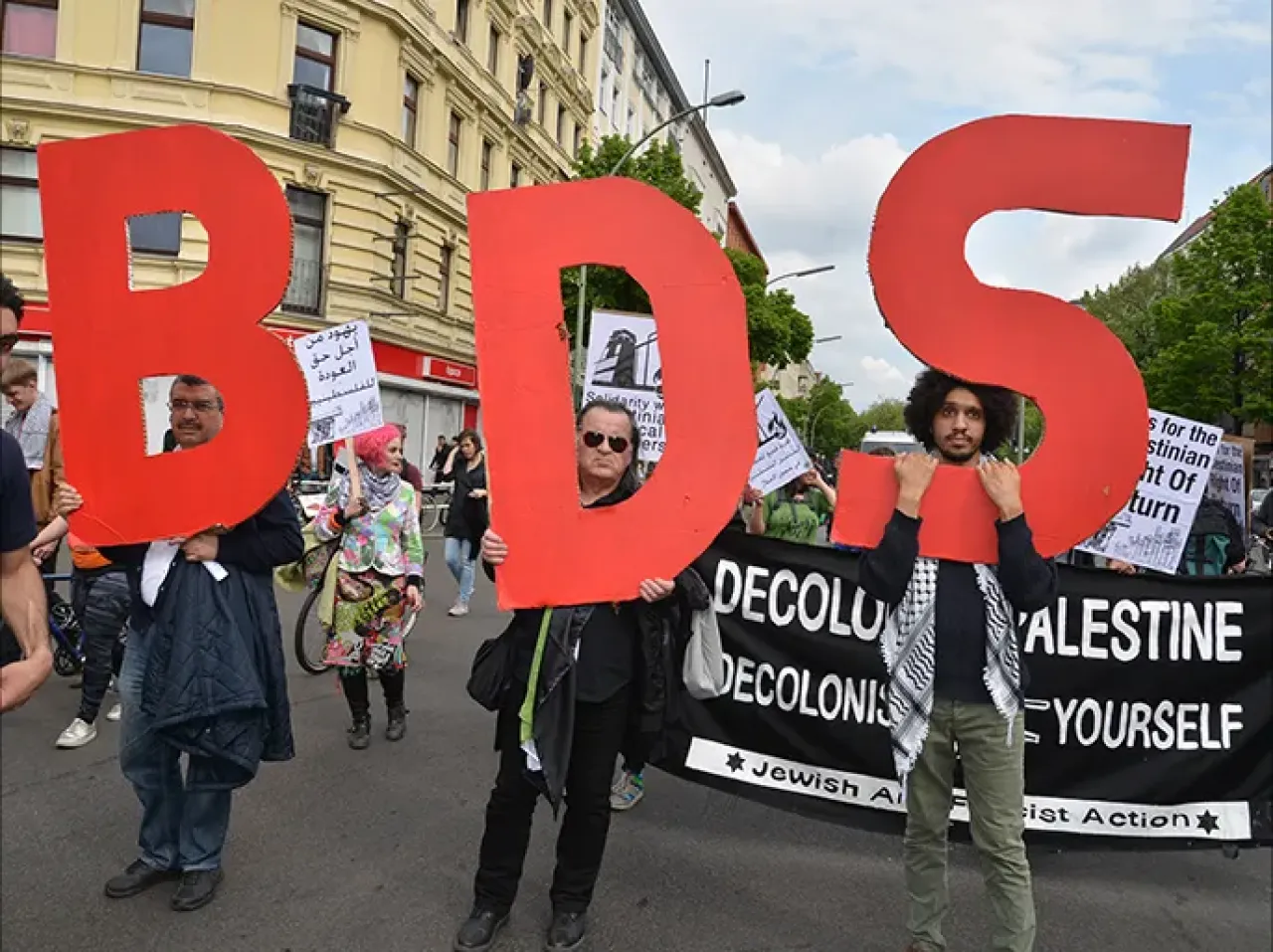
According to a report by the Israeli newspaper "Yedioth Ahronoth", these developments come at a time when an international front has formed against Israeli policies, especially since October 7, 2023. The Boycott, Divestment, Sanctions (BDS) movement working against Israel for years has received increasing support from countries and regional and international organizations, giving it unprecedented strength and cohesion.
After previously dealing with boycott attempts with relative containment and without significant economic impacts, the reality has radically changed under Benjamin Netanyahu's government. The boycott movement shifted from academic and cultural restrictions to attempts to economically strangle Israel and withdraw global investments.
This is exemplified, for example, in the actions of the Norwegian Wealth Fund withdrawing its investments from Israel, the United Nations' blacklist, and efforts by European countries like France, Ireland, and Belgium to undermine scientific cooperation with Israel, according to the newspaper report.
This was also evident in artists refusing to perform in the occupied territories, writers refusing to translate their books into Hebrew, and attempts to exclude Israel from the Eurovision Song Contest or FIFA, which were more severe than before.
Joint action to impose sanctions
On the international scene, there is coordinated action led by France alongside the UK, Canada, Norway, Australia, and New Zealand, to impose sanctions on "elements that incite violence in the West Bank".
In this context, the French Foreign Minister Jean Noel Baro announced the prohibition of the Israeli Finance Minister Bezalel Smotrich from entering the country, a step similar to a previous decision against the National Security Minister Itamar Ben Gvir, justified by their policies supporting the annexation of the West Bank and settlement.
Not only individuals are targeted, as Britain, Canada, Australia, and New Zealand have announced measures including entry bans and financial penalties on individuals and organizations involved in supporting settler violence.
Attention is also directed towards the European Union meetings scheduled for June 15, given the likelihood of imposing sanctions on Israeli ministers, especially Ben Gvir who now faces increased pressure due to his statements and actions towards "Gaza Flotilla" activists, which have sparked diplomatic crises with France, Italy, and other countries.
In contrast, the Israeli Foreign Ministry rejects these measures, seeing them as "shameful" and an attempt to impose political positions under the guise of combating violence, accusing Western governments of failing to counter what they described as "anti-Semitism".
Although Israeli officials deny the likelihood of comprehensive economic sanctions at the moment, fears are growing that the real goal of this wave is not only to push Israel towards political negotiations but also to de-legitimize it internationally.
With these developments, critics see the Israeli government as remaining in a bystander position, without strategic action to confront this growing diplomatic blockade, posing long-term existential challenges for the state in its international environment.