Khaberni - Today, Saturday, the Minister of Health, Dr. Ibrahim Al-Badour, received the National Cancer Patient Treatment Protocol, which contains the unified national guidelines for treating cancer patients in participating health sectors, which were prepared by the national committee he tasked to prepare it as part of a national collaborative approach aimed at unifying treatment practices and enhancing the quality of care for oncology patients.
This protocol was prepared through the National Committee and its specialized subcommittees, with the participation of a group of doctors, clinical pharmacists, and nursing staff from various health institutions including the Ministry of Health, the Royal Medical Services, the King Hussein Cancer Center, the University of Jordan Hospital, King Abdullah University Hospital, and the General Food and Drug Corporation.
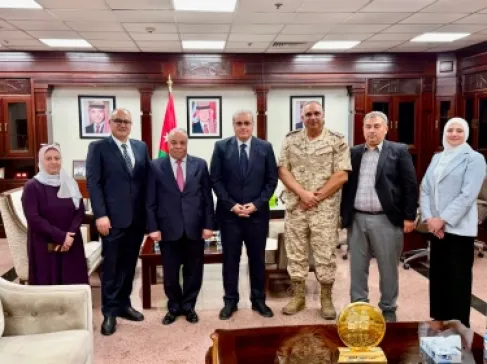
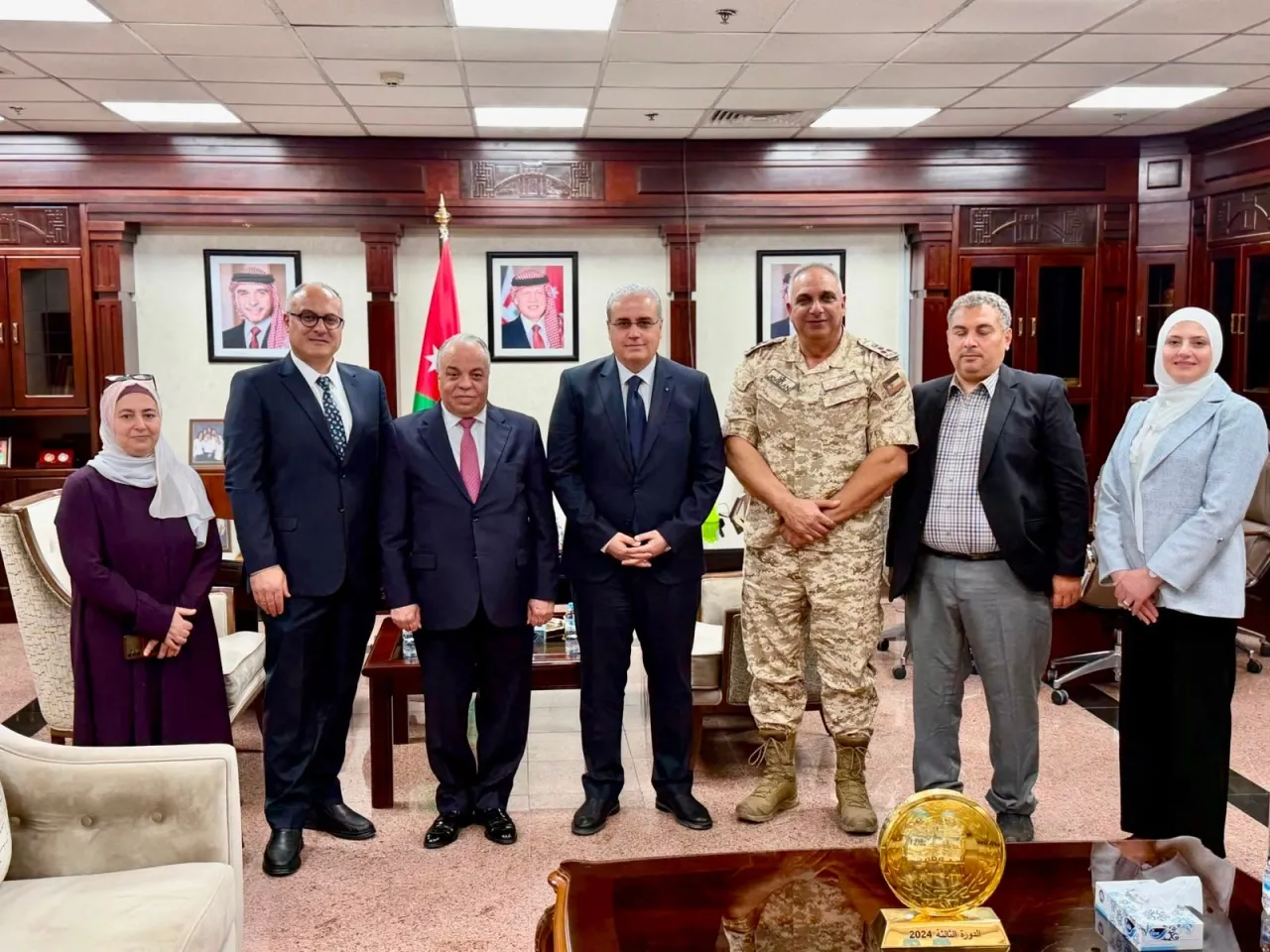
The minister endorsed the protocol during a meeting with the National Committee after it was ready, expressing his thanks and appreciation to its members, subcommittees, and all participating health institution partners, in recognition of their efforts in preparing these guides based on scientific and collaborative foundations.
The minister explained that the protocol achieves equity in providing the same treatments across all health sectors without discrimination, ensuring that treatment recommendations are standardized wherever they are implemented, and that what is adopted in any health sector will be the same reference used in other sectors and anywhere within the health system, ensuring the unification of treatment decisions and enhancing treatment equity among patients.
Al-Badour confirmed that this achievement represents an important step towards enhancing integration between health sectors and unifying treatment protocols, reflecting on improving the efficiency of health services, explaining that developing the protocol, which includes 26 therapeutic guidelines covering multiple pathways in the field of oncology, constitutes a unified national reference that contributes to improving health care quality and enhancing the efficiency of services provided to patients and optimal use of available treatments to achieve equity in accessing treatment.
He pointed out that this national protocol aligns with the national efforts aimed at establishing the concept of evidence-based medicine and supporting clinical decision-making in various health institutions, putting patient interest at the forefront of priorities.
In this context, Al-Badour mentioned that the formation of this committee is part of the new approach followed by the Ministry of Health to launch medical protocols in various specialties, enhancing the quality of health care and improving treatment response efficiency. This comes as a continuation of a series of protocols that the Ministry has started to implement, including protocols for dealing with acute heart attacks and strokes, which have contributed to enhancing patient protection measures and improving chances of saving lives and reducing complications.
He also noted that the protocol will be distributed and adopted during a national celebration involving all participating health sectors, with about 130 participants from members, committees, and partners, reaffirming the collaborative approach through which this national work was prepared.
The National Committee commenced its work under a decision issued by the Minister of Health, where a series of face-to-face and virtual meetings were held, and 10 specialized subcommittees were formed to prepare and review the guides within a clear action plan and timeframe, under the direct supervision of the National Committee chairman and technical and administrative coordination from the Directorate of Pharmacy and Clinical Pharmacy at the Ministry of Health.
This protocol has been prepared according to a scientifically collaborative, multidisciplinary approach, taking into account the differences in capabilities and resources among health institutions, which allows its flexible implementation within the policies and protocols of each entity, representing a national reference that is subject to periodic review and updating in line with scientific advances and recent therapeutic developments.
The National Committee is chaired by the Director of Sameeh Darwazah Oncology Center at Al-Bashir Hospitals/Deputy Director General of the King Hussein Cancer Center, Dr. Munther Al-Hawarats, and includes members such as Dr. Jihad Ma'ani and Dr. Hisham Bawaneh from the Ministry of Health, Medical Brigadier Dr. Ahmed Bawaneh from the Royal Medical Services, Dr. Kamal Rabee from the King Hussein Cancer Center, Dr. Firas Fararjeh from the University of Jordan Hospital, Dr. Osama Al-Shara' from King Abdullah University Hospital, Dr. Ghadir Al-Qawasmi from the General Food and Drug Corporation, and the committee secretary Dr. Anissa Al-Naimat from the Ministry of Health.