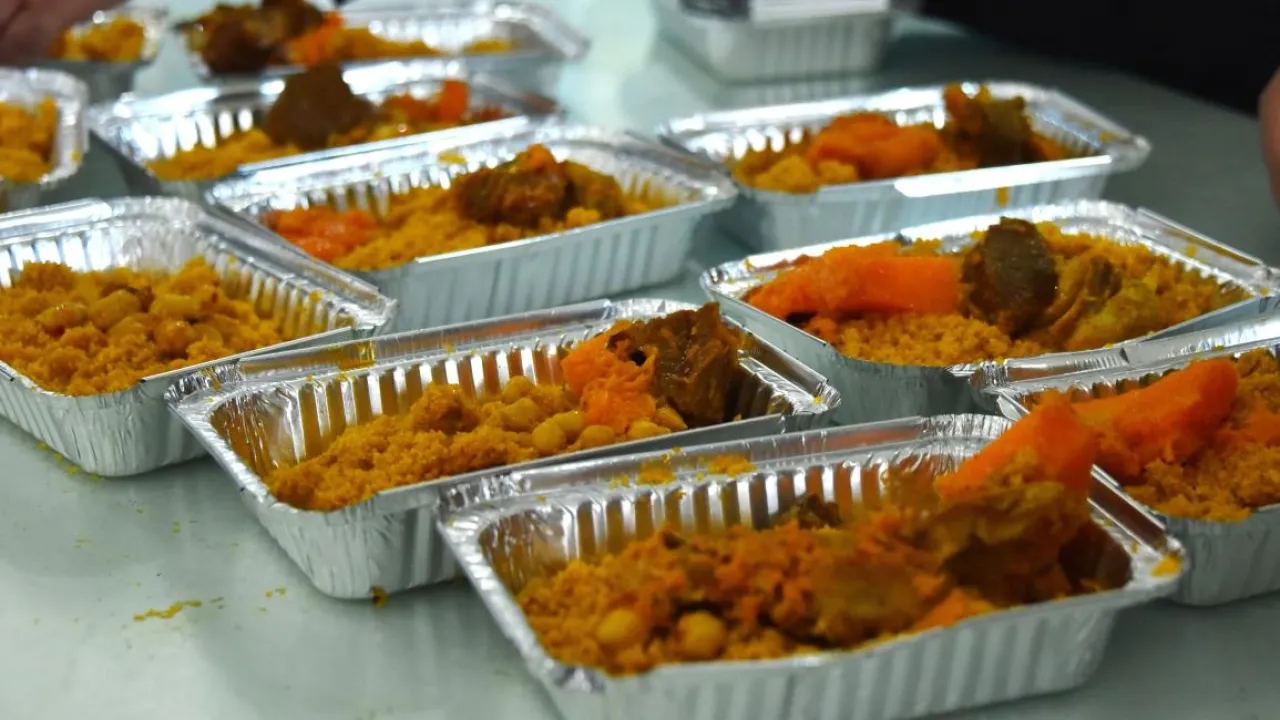
Khaberni - The Maknassi Municipality in the Sidi Bouzid Governorate, central-west Tunisia, suffered a shocking food poisoning incident that resulted in the death of two individuals and the transfer of seven other family members to intensive care, while investigations are still ongoing to determine the source of the poisoning, which is suspected to have come from the "Couscous with Osban" dish that is commonly prepared by Tunisian families on the second day of Eid.
Yesterday, Thursday, several members of the same family experienced severe poisoning symptoms after eating "Couscous with Osban," necessitating their transfer to local health units. Two of them died on the spot, while the other victims were moved to the regional hospital in Kasserine and placed in the intensive care unit.
Salem Nasri, the Regional Director of Health in Sidi Bouzid, stated to "Al-Arabi Al-Jadeed" that health services intervened following the recording of food poisoning cases among family members in Maknassi. The victims were transported to health institutions to receive necessary first aid, while the relevant authorities have authorized an investigation and samples of the suspected food items were taken to determine the precise causes of the incident. Nasri mentioned that 9 family members who consumed a meal consisting of Couscous with Osban, salad, and some soft drinks experienced severe poisoning symptoms that resulted in the deaths of two individuals due to their rapidly deteriorating health condition, while the rest were given medical attention and placed under intensive care to reduce the severity of their condition.
The regional health official indicated that the causes of the poisoning have not yet been determined, noting that the public prosecutor has opened an investigation into the matter. Field samples were taken from the dishes that were consumed alongside subjecting the victims to necessary analyses and the bodies of the deceased were sent to forensic medicine, suggesting that certain ingredients in the Osban dish, such as the addition of poisonous herbs like figle with a dangerous effect on health if exceeded in quantities, could be behind the poisoning, stating "The analyses will confirm the real reasons for the poisoning," noting that the "Osban" consumed during the family meal might be the likely cause of the recorded poisoning incidents.
He explained that specialized teams took samples from various foods that were consumed and subjected them to necessary laboratory analyses, confirming that the hypothesis of "Osban" causing the poisoning remains preliminary awaiting the final results of the investigations and scientific tests. He added that health services continue to monitor the health situation of the seven hospitalized victims, whose conditions are currently stable and are under continuous medical supervision, emphasizing the need to wait for laboratory analysis results before confirming the true causes of the incident, calling on citizens to respect the conditions for storing and preparing food, especially with the rise in temperatures during this period of the year.
"Couscous with Osban," suspected of causing the poisoning, is one of the most famous traditional dishes in Tunisia during religious occasions, especially during the Eid al-Adha festival. Osban is prepared from sheep or calf intestines after cleaning them and stuffing them with a mixture of innards like liver, lungs, heart, rice or vegetables, and spices, then cooked and served with couscous or as a standalone dish on Eid tables. The Osban dish occupies a special place among Tunisian families as it involves using various parts of the sacrifice according to inherited traditions; however, public health specialists annually stress the importance of respecting cleanliness and rapid cooling of the intestines after slaughtering, given that they are among the foodstuffs most susceptible to bacterial contamination.
Hinda Shabi, Director of the Central Operations Room at the Ministry of Health, stated to "Al-Arabi Al-Jadeed" that a judicial investigation was opened to determine the causes of death and poisoning of the family members, confirming that the results of the analyses would be submitted to the judiciary, which will subsequently announce the final causes of the poisoning based on scientific results.
Cases of food poisoning typically increase during the summer months due to the rise in temperatures, which accelerates the reproduction of germs and bacteria in perishable foods, specifically meats and dairy products and pre-prepared foods. Inappropriate storage methods and prolonged interruptions in the cooling chain also contribute to raising the risks of group food poisonings. Tunisia records dozens of incidents related to food poisoning annually with varying degrees of severity, and health surveillance campaigns intensify during the summer and holidays to monitor food preservation conditions and educate citizens about the necessity of respecting health safety rules at home and during family events.