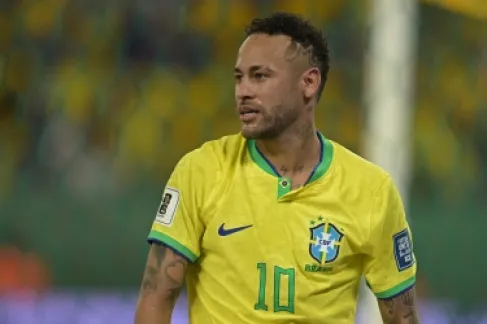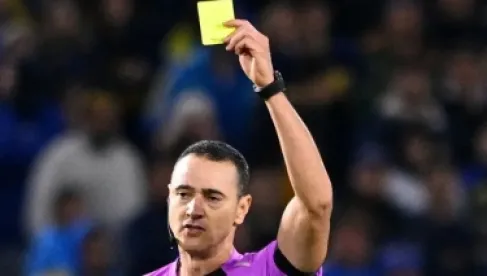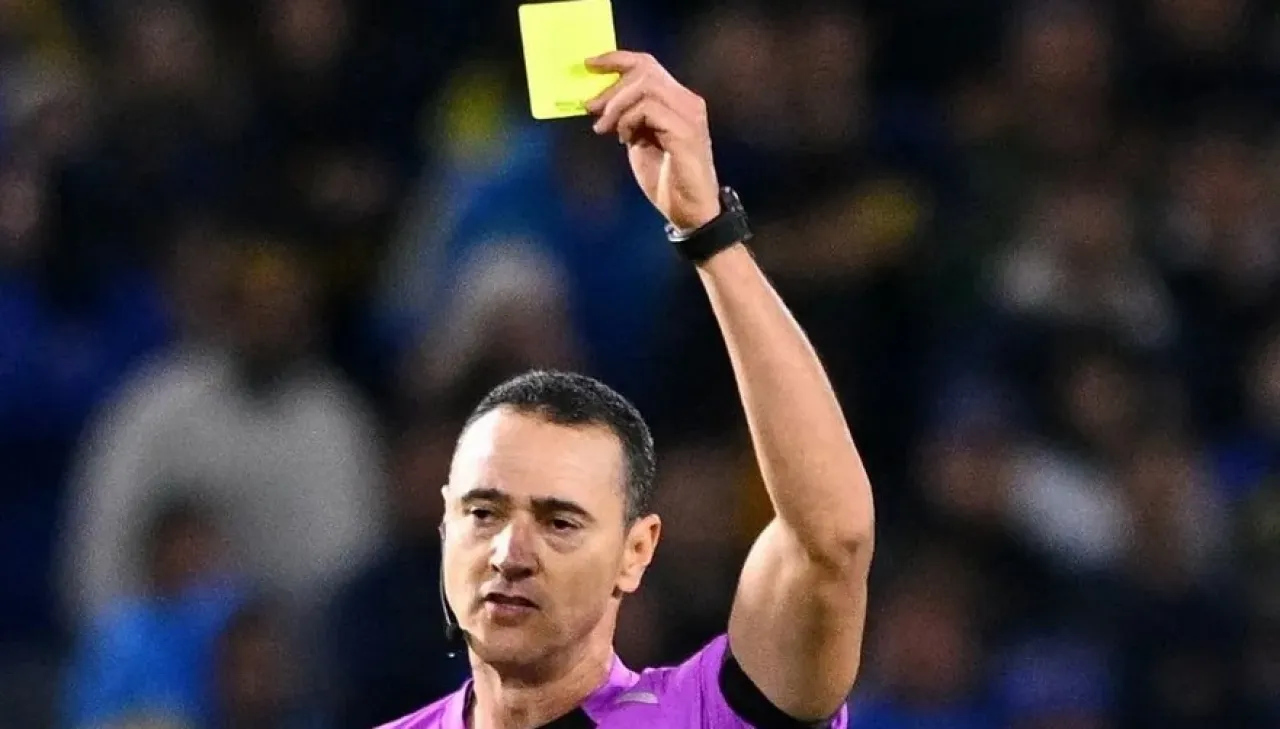
Khaberni - In 1970, yellow and red cards were adopted, and in 2018, the video assistant referee (VAR) debuted in the World Cup, while in Qatar in 2022 FIFA's instructions led to a significant increase in the added time due to stoppages in matches.
The World Cup always provides an opportunity to implement new modifications in the world's most popular game, aiming to develop and make it more exciting and, sometimes, fairer.
So, what can be expected at this year's World Cup, which is starting soon in the United States, Canada, and Mexico?
Breaks for hydration
Hydration breaks during matches in hot conditions have been common, but they have never been mandated as a standard requirement in World Cup matches.
However, this year, things will change with three-minute hydration breaks scheduled for the middle of each half, regardless of the weather condition, even in matches played in cold conditions or under a roof.
FIFA stated: "There will be no conditions related to weather or temperature, and break periods will be determined by the referee in all matches, ensuring equal opportunities for all teams in all matches."
FIFA attributes the introduction of hydration breaks to its commitment to protecting players, but others might say that splitting matches into four quarters resembles the format of some popular sports in the United States and suits American official broadcasters, who might take the opportunity to sell advertisements during these breaks.
"VAR" for reviewing corners and second yellow cards
Initially, the "VAR" system was applied to review clear and obvious errors in cases such as goals, penalty kicks, direct red cards, and identity mistakes involving players.
Earlier this year, the International Football Association Board, responsible for setting the game's rules, announced it would expand the scope of "VAR" to include second yellow cards and corner kicks, right before the World Cup.
This means that a review can now be conducted if a player is sent off for receiving a second caution, in addition to cases involving direct red cards.
"VAR" will also be able to review "corners that were clearly miscalculated," provided the review is completed immediately and without delaying the resumption of play.
Countdown for goal kicks and substitutions
A countdown will be applied for goal kicks, throw-ins, and substitutions in an attempt to reduce time wasting.
If a player takes longer than necessary, possession will transfer to the opposing team, meaning a goal kick might turn into a corner kick, or a throw-in might pass to the opponent.
The international board added, "If the referee sees that a throw-in or goal kick takes too long or is being deliberately delayed, a visible countdown of 5 seconds will begin."
At the same time, players will be given 10 seconds to leave the pitch once their number appears on the substitution board.
If they fail to do so, they must leave the field immediately, and the substitute can only enter at the next play stoppage, after at least one minute has passed.
Players receiving treatment for injuries, or whose injuries have caused a stoppage in play, must leave the field for one minute before being allowed to return.
Red cards for covering the mouth
FIFA announced last April that it can now send off players who cover their mouths during an encounter with an opponent.
This came after an incident during a UEFA Champions League match in February last year, when Argentine Gianluca Prestiani, a midfielder for Portugal's Benfica, covered his mouth while talking to Vinicius Junior, a Brazilian striker with Spain's Real Madrid.
Prestiani was accused of racially abusing the Brazilian and later received a six-match suspension.
Furthermore, FIFA stated that referees could send off any player who leaves the pitch in protest of a refereeing decision.
It added: "This new rule also applies to any team official who incites players to leave the pitch. A team causing the match to be cancelled will be considered to have lost on principle."
In January last year, the final of the Africa Cup of Nations witnessed regrettable events that led to the withdrawal of the Senegal players in protest against a penalty awarded to host Morocco.
The players eventually returned, and Senegal won the match after extra time, but the Confederation of African Football (CAF) later stripped them of the title, stating they had "violated the tournament rules by withdrawing," while the issue remains under discussion.