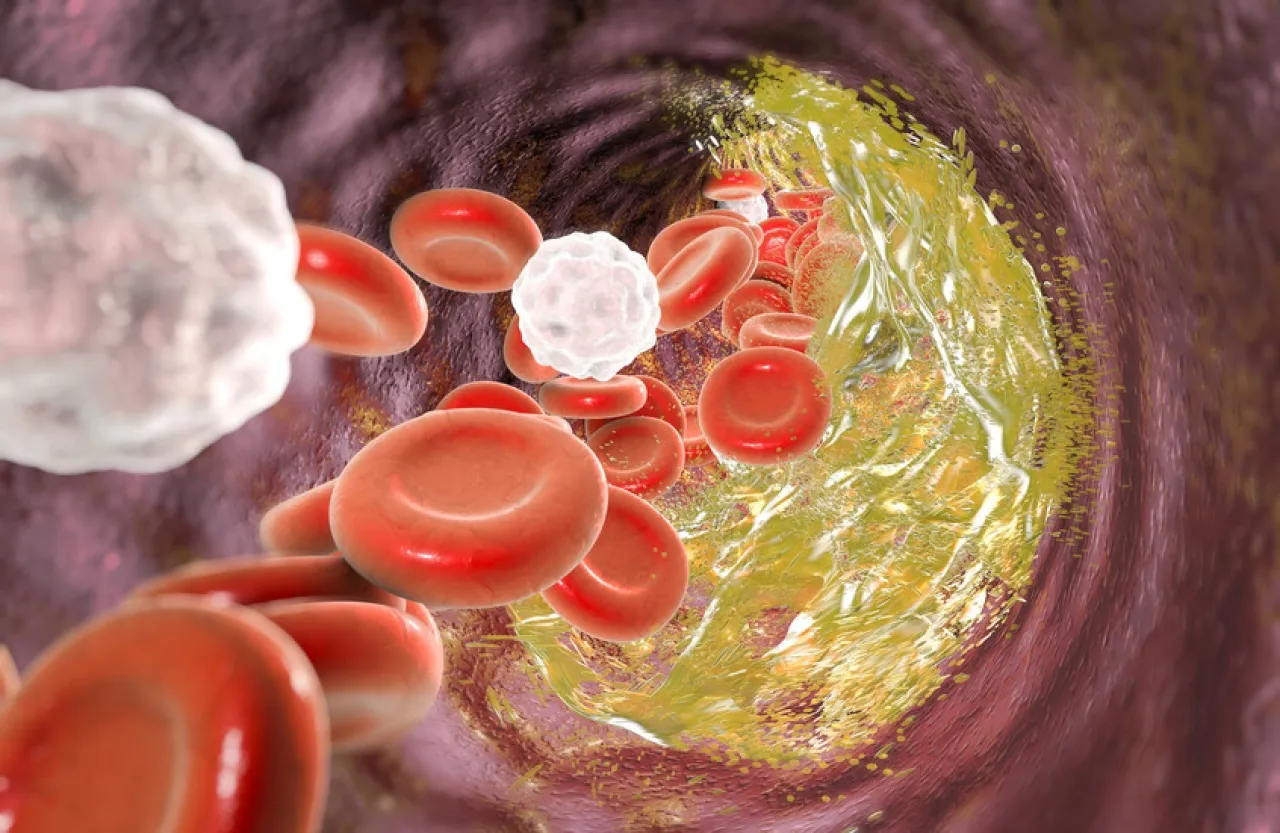
Khaberni - High cholesterol can negatively affect heart health by obstructing blood flow due to the buildup of fatty deposits inside the arteries, which can increase the risk of serious heart diseases.
Cholesterol is produced in the liver and is also found in some foods, while foods high in saturated fats and sugary drinks are among the major contributors to its elevated levels.
The body needs lipoproteins to perform its vital functions, but increased "bad" cholesterol (low-density lipoprotein LDL) can lead to its accumulation in the arteries and serious health complications. In contrast, maintaining an active lifestyle and a balanced diet helps keep good and bad cholesterol levels within the normal range.
The British Heart Foundation indicates that some options considered "less harmful" may be misleading, as the risk is not limited to obviously unhealthy foods only.
According to the medical site "Healthline", people who regularly consume sweetened sodas and processed fruit juices are up to 53% more likely to have elevated triglyceride levels compared to others. Excessive sugar intake is also one of the main factors linked to an increased risk of developing type 2 diabetes, obesity, and high cholesterol.
The British Heart Foundation (BHF) recommends moderation in consuming fruit juices, not exceeding 150 ml per day, counting them as part of the daily fruit servings, despite containing free sugars nearly equivalent to two or three teaspoons per cup.
Interestingly, a single cup of orange juice (150 ml) contains the same amount of sugar as three whole oranges but lacks the dietary fiber provided by whole fruit.
Drinks that are labeled as "sugar-free" do not necessarily mean they are completely healthy, as they may contain artificial sweeteners that do not directly raise blood sugar levels, making them a suitable option for diabetics, but they are not a perfect solution in the long term.
Nutrition expert Victoria Taylor explains that these alternatives can help reduce sugar intake, but they do not replace the need to gradually decrease the total intake of sweeteners in the diet to adjust the taste of food gradually.
In contrast, alcohol is one of the factors that most negatively affect cholesterol levels, as it breaks down in the liver into triglycerides and cholesterol, which can lead to fat accumulation in the liver and the development of fatty liver disease.
The British Heart Foundation warns that this condition affects the liver's ability to perform its functions and eliminate excess cholesterol in the blood, contributing to raised levels.
Regular alcohol consumption is also associated with an increased risk of high blood pressure, weight gain, and certain types of cancer.