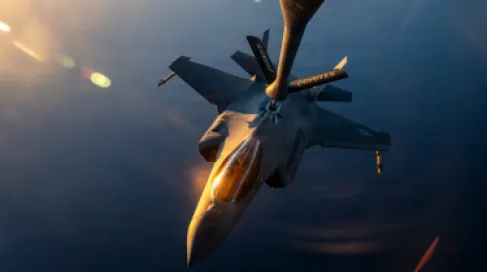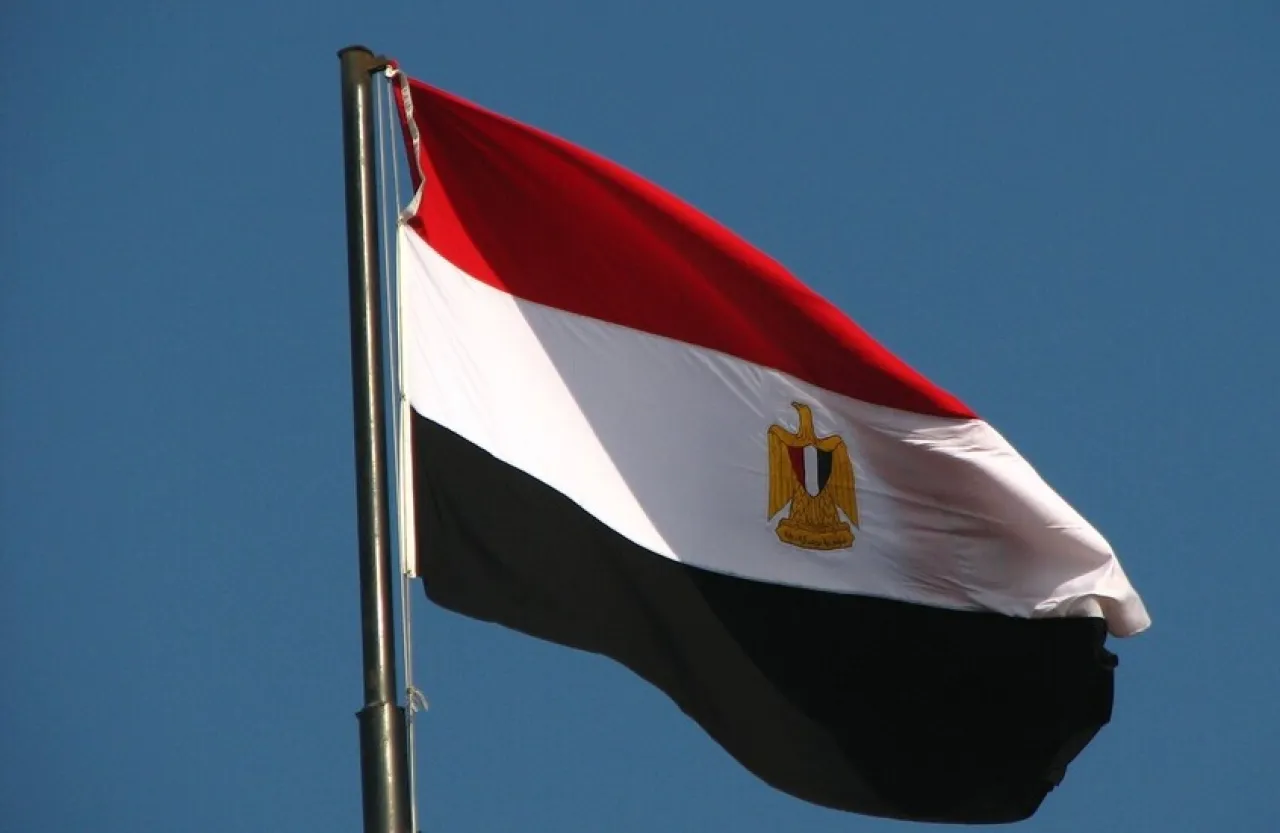
Khaberni - The International Crisis Group issued an analytical report that paints a precise picture of the complex Egyptian stance amidst the ongoing war between the United States and Israel on one side, and Iran on the other, along with escalations in the Gulf region.
The report clarified that the Egyptian government finds itself in a difficult position, wanting to end the war as quickly as possible, while fearing the consequences of Iran’s collapse or severe weakening on the stability of the Middle East, the growing influence of Israel on its northeastern borders, and the negative economic impacts of the conflict.
The International Crisis Group, headquartered in Brussels, Belgium, is an independent international non-profit non-governmental organization and one of the leading research institutions specialized in preventing wars and resolving conflicts. It is often described as the "early warning voice" for international crises, distinguished by its objective and bold reports that are often a reference for diplomats and political analysts.
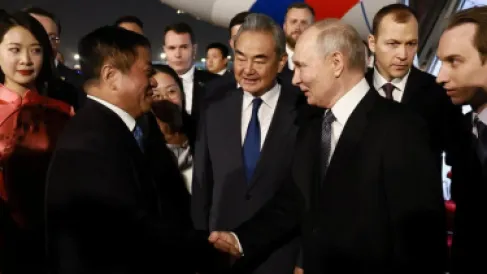
The report indicated that Egypt, along with Turkey and Pakistan, has taken on the role of a mediator, establishing indirect communication channels between Washington and Tehran to relay messages and reduce escalation, and supporting efforts to achieve a permanent ceasefire.
The report confirmed that Egypt's stance has caused dissatisfaction among some Gulf capitals, which demand a more resolute alignment against Iran, considering the war an existential threat to their security and economy.
The report revealed that despite intensive visits by President Abdel Fattah El-Sisi and the Foreign Minister to the Gulf states, and condemnation of Iranian attacks along with sending symbolic support, some voices in the Gulf see Egypt's position as "ambiguous."
The report highlighted that economic interests represent a decisive factor in Cairo's policy, as Egypt heavily relies on substantial Gulf investments (35 billion dollars from the UAE and 29.7 billion from Qatar, in addition to Saudi and Kuwaiti deposits).
It noted that Egypt has been affected by the war, which led to a decline in the revenues of the Suez Canal, a threat to tourism, and rising energy prices, thereby increasing pressure on the Egyptian economy.
The report added that Cairo's concerns extend beyond the economic aspect to include deep strategic fears, the most prominent being the potential of a major security vacuum in case the Iranian regime collapses, which could lead to prolonged regional chaos similar to what happened after Iraq was invaded in 2003, and fearing that this might encourage Israel to adopt more aggressive expansionist policies in the region.
The report concluded that Egypt adheres to a "strategic balance" strategy that relies on not getting involved in binding military alliances and maintaining an equal distance from all parties.
The report continued that the "strategic balance" strategy pursued by Egypt reflects a realistic recognition of the limits of its military and economic capabilities, preferring cautious diplomacy over direct confrontations, benefiting from its costly historical experiences in Yemen and previous wars with Israel.
However, it warned that the continued pressure from the Gulf or escalation of the war could narrow Cairo's room for maneuver and could lead to negative consequences on Egypt's stability, which is seen as a strategic interest for the Gulf states themselves.