Khaberni - Hantavirus is considered a rare but serious viral disease, as the infection mostly transfers from rodents to humans and may lead to severe complications in the lungs or kidneys. In the following article, the Institute for Family Health Care (from the King Hussein Foundation Institutes) sheds light on the nature of this virus, its transmission methods, symptoms, the most susceptible groups, as well as diagnostic methods, treatment, and prevention.
There has been an increasing global interest in this virus due to some isolated cases recorded in several countries, coupled with a higher mortality rate in some severe types of infection. The World Health Organization confirms that the hantavirus is not a new virus, but is rather a group of viruses known for decades, yet they still represent a health challenge due to difficulty in early diagnosis and potential severity.
What is Hantavirus?
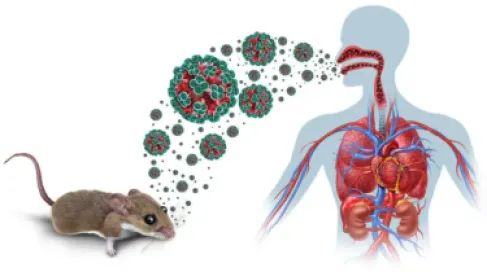
Hantavirus is a group of viruses belonging to the Hantaviridae family, naturally occurring in some rodent species like mice and rats without causing them any disease. When these viruses are transmitted to humans, they can lead to severe diseases, which vary depending on the geographical region and the type of virus. In Asia and Europe, some types cause hemorrhagic fever with renal syndrome, while in the Americas they cause hantavirus pulmonary syndrome or cardiopulmonary syndrome, which are the most severe forms of the disease.
The World Health Organization explains that some types of hantavirus can have a mortality rate of up to 50% in severe infections, especially if diagnosis and supportive treatment are delayed.
Modes of Transmission:
Hantavirus is most commonly transmitted through inhaling air contaminated with particles that contain the urine, feces, or saliva of infected rodents. It can also be transmitted by touching contaminated surfaces and then touching the mouth, nose, or eyes, and in rare cases through rodent bites.
Most infections occur during the cleaning of closed spaces where rodents are prevalent, such as warehouses, barns, old cabins, or abandoned houses. When dry waste is swept or vacuumed, contaminated particles are spread into the air, increasing the risk of inhaling the virus.
In very rare cases, limited person-to-person transmission has been recorded with a type called "Andes virus" found in some areas of South America, but most types of hantavirus are not transmitted between humans.
Symptoms of Hantavirus:
Symptoms usually appear within a period ranging from one to four weeks after exposure to the virus and may begin resembling the flu, making early diagnosis difficult. Initial symptoms include:
- Fever and high temperature.
- Headache.
- Severe fatigue.
- Muscle pain, especially in the back and thighs.
- Nausea or vomiting.
- Abdominal pain and sometimes diarrhea.
As the disease progresses, severe symptoms such as:
- Severe cough.
- Shortness of breath.
- Fluid in the lungs.
- Low blood pressure.
- Renal failure in some types.
Breathing difficulties are among the most dangerous signs that require urgent medical intervention, as the disease can progress rapidly within a few days.
Disease Diagnosis:
Diagnosing hantavirus depends on the patient’s medical history, especially if they have been exposed to rodents or places contaminated with their droppings. Blood tests are used to detect specific antibodies to the virus, in addition to DNA tests that directly detect the virus in early stages.
Diagnosis may be confused with other diseases like the flu, pneumonia, or COVID-19, hence doctors need to be aware of the possibility of infection when severe respiratory symptoms are present with a history of rodent exposure.
Hantavirus Treatment:
To date, there is no specific drug treatment or approved vaccine for most types of hantavirus, hence treatment relies on supportive care in a hospital. This includes:
- Providing oxygen to the patient.
- Monitoring lung, heart, and kidney functions.
- Cautiously replenishing fluids.
- Using ventilators in severe cases.
Studies indicate that early diagnosis and rapid access to intensive care significantly increase survival chances.
Most Susceptible Groups:
Some groups are more susceptible to hantavirus infection, including:
- Rodent control workers.
- Farmers and field workers.
- Individuals cleaning old or abandoned buildings.
- Camping and hiking enthusiasts.
- Those living in areas heavily infested with rodents.
Poor household hygiene and unsafe food storage also attract rodents, increasing the risk of infection.
How to Prevent Hantavirus:
Prevention is crucial in dealing with hantavirus, as specific treatments are not yet available. The Centers for Disease Control and Prevention (CDC) recommend several fundamental preventive measures, including:
1 - Rodent control:
Sealing openings and cracks that allow mice to enter homes or storages, and eliminating sources of food and water that attract them. Food should be stored in tightly sealed containers.
2 - Safe cleaning of contaminated places:
Avoid sweeping or vacuuming rodent droppings as it spreads the virus in the air. The correct approach is:
- Ventilating the area well for at least 30 minutes.
- Wearing appropriate gloves and masks.
- Spraying droppings with a disinfectant or diluted bleach solution.
- Using wet cleaning wipes or tools to collect the droppings.
- Washing hands thoroughly after finishing.
3 - Maintaining general hygiene:
Regular disposal of waste and cleaning of food storage areas helps reduce rodent infestation. Avoid leaving food scraps exposed inside or outside the home.
4 - Caution during camping or trips:
Avoid sleeping in places where rodent traces are visible, and do not touch their burrows or droppings. Preferably, keep food out of reach of wild animals.
5 - Health education:
Awareness campaigns play an important role in informing people about the risks of rodents and methods of prevention, particularly in rural and agricultural areas.