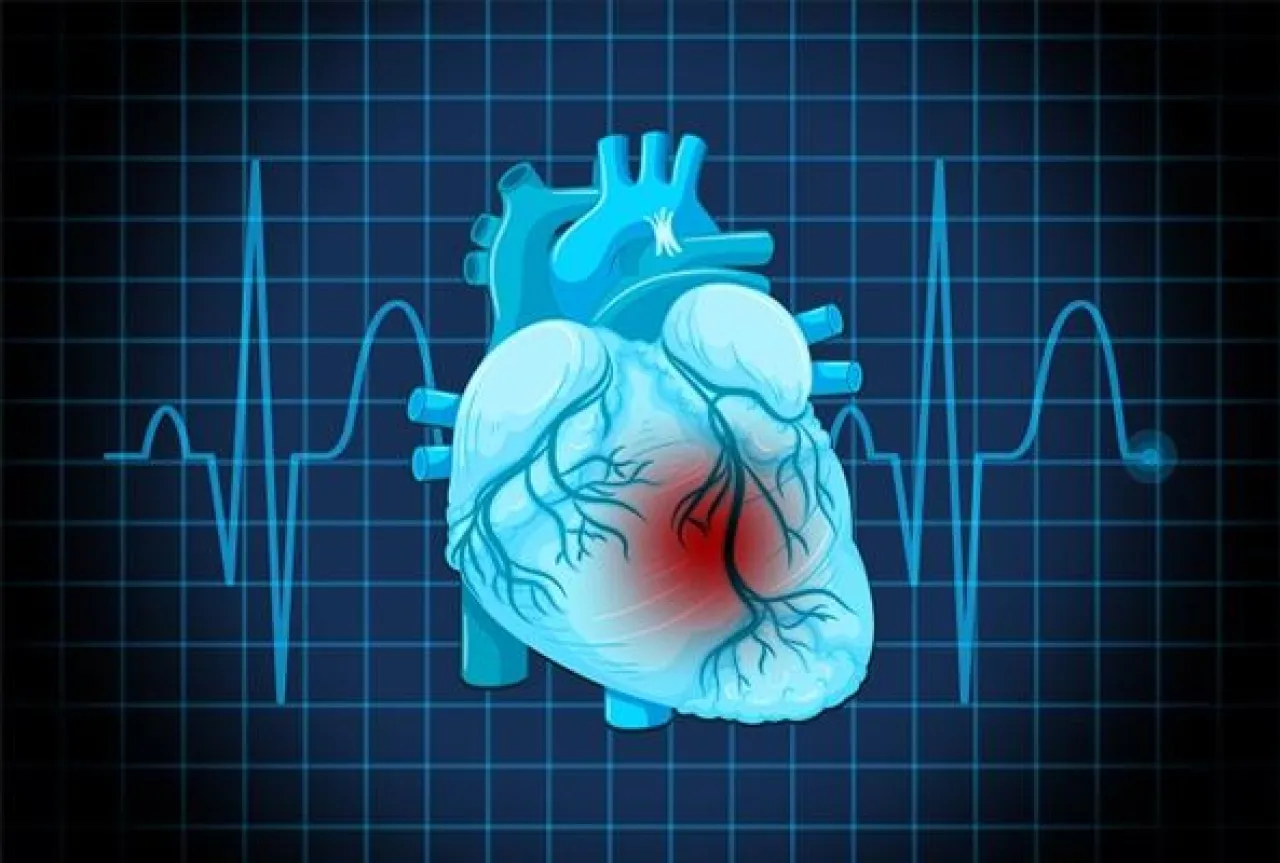
Khaberni - A new study warns that severe decreases and increases in resting heart rate could elevate the risk of stroke.
Researchers at Imperial College London presented the results of this study at the European Stroke Conference, identifying that the lowest stroke risk is among individuals whose heart rate ranges between 60 and 69 beats per minute.
The study was based on analyzing data from approximately 460,000 individuals aged between 40 and 69 from the UK Biobank, following the participants for an average duration of 14 years, during which more than 12,000 cases of stroke were recorded.
Compared with individuals whose heart rate was in the average range, the researchers found that individuals with a heart rate of 90 beats per minute or higher were 45% more likely to be at risk of stroke.
Surprisingly, those with a heart rate below 50 beats per minute had a higher risk of stroke by 25%, even after adjusting for other factors that affect the likelihood of occurrence such as age, blood pressure, and atrial fibrillation (a common form of irregular heartbeat).
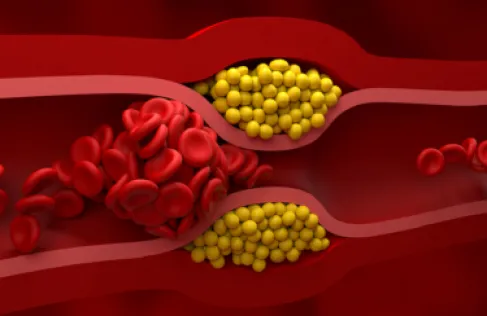
When the data was analyzed by type of stroke, it was found that a lower pulse rate was particularly associated with ischemic stroke, which is caused by an obstruction of blood flow to the brain and is the most common type, representing 85% of the cases.
In contrast, a higher heart rate was associated with both ischemic and hemorrhagic strokes, which involve bleeding in the brain.
Dr. Dexter Penn, the lead author of the study, suggested that a lower pulse rate might extend the interval between beats, which could reduce regular blood flow to the small blood vessels in the brain and increase the possibility of blockages, while a higher pulse might increase the pressure on the walls of blood vessels, making them more prone to both blockages and bleeding. However, he emphasized that these are still just hypotheses.
Professor Alastair Webb, a co-author of the study, noted that a lower resting heart rate could indicate good physical fitness, especially in physically active people, but it could be a useful indicator worth considering alongside traditional risk factors in others.
He added that this measure is "simple and widely available and deserves more attention in assessing cardiovascular risks." Nevertheless, the researchers point out that these findings are still just preliminary observations, meaning they cannot directly prove that high or low heart rates cause strokes, and more research is needed to confirm the exact relationship between them.