Khaberni - Global newspapers and websites discussed the implications of the ongoing understandings between the United States and Iran, and the reflections of the war on the American deterrence balance in Asia, along with files related to Gaza, the British political crisis, and the migration of Israeli talents.
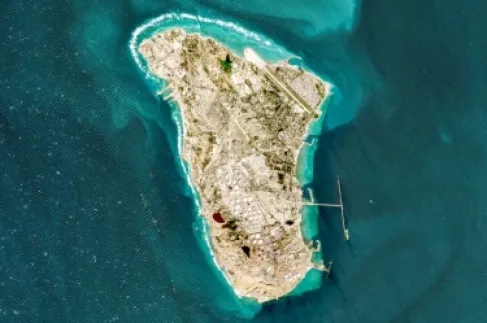
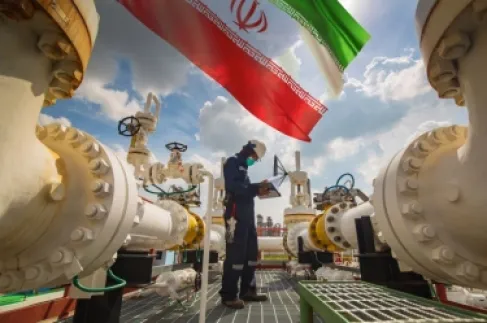
The Times reported that any agreement between Washington and Tehran would achieve quick gains by gradually reopening the Strait of Hormuz and easing economic pressures, but it viewed that the real challenge begins during the 30-day period allocated for negotiating contentious issues.
The newspaper added that experts believe that the agreement will likely be limited to general understandings that end the military confrontation without addressing the core issues, making the current settlement temporary and susceptible to instability with the essential differences remaining unresolved between the parties.
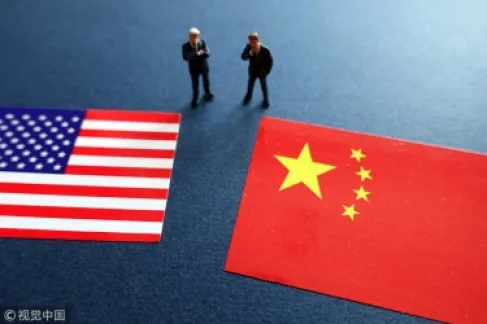
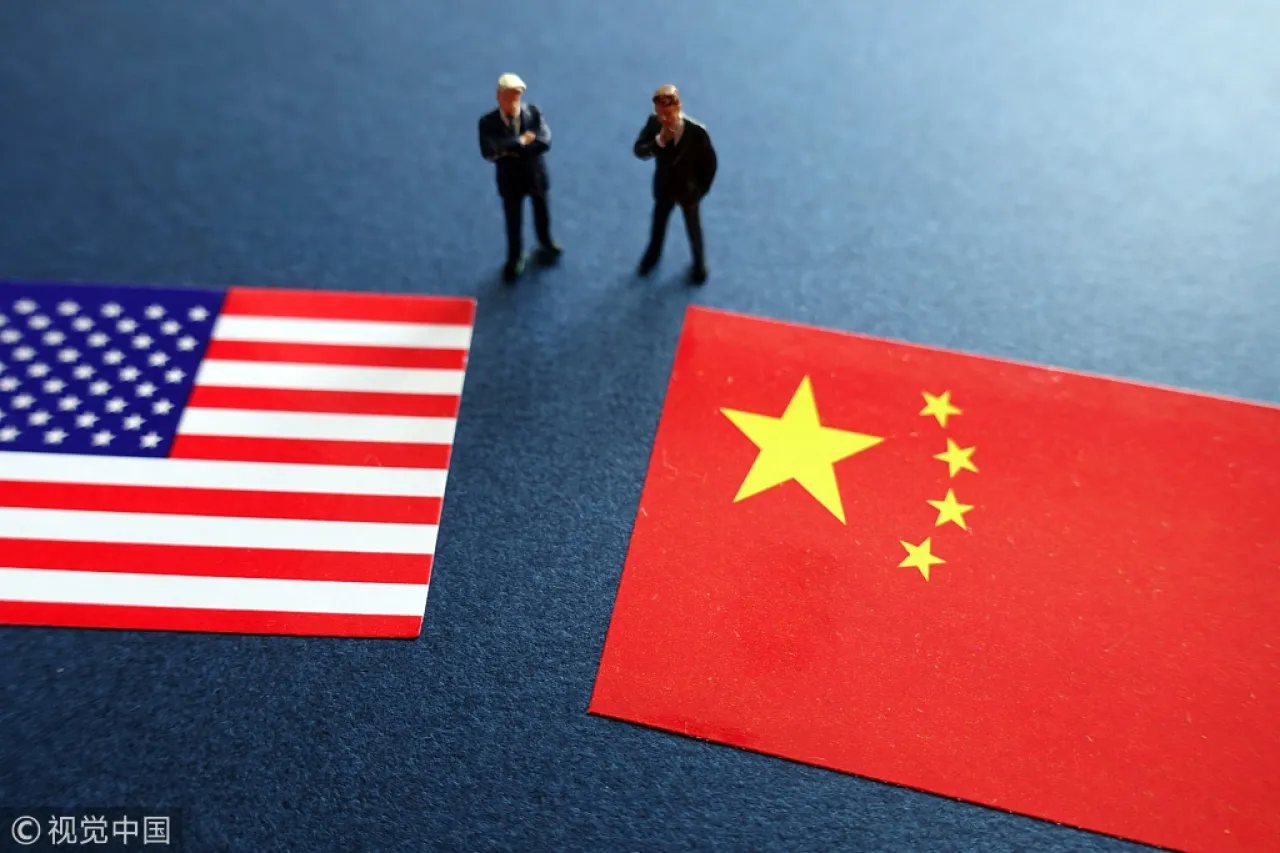
The New York Times quoted Chinese analysts as saying that the war with Iran showcased the United States as a militarily drained force, considering the decline in the American weapon stockpiles might weaken its capacity to deter China in any potential confrontation around Taiwan.
The newspaper viewed that Beijing sees this depletion as an opportunity to strengthen its influence in the upcoming summit with the American President Donald Trump, while Chinese experts considered that the war revealed a flaw in Washington's ability to renew its arsenal during prolonged conflicts.
Fragile Truce
The Washington Post wrote that American airstrikes on Iran in response to attacks targeting warships renewed doubts about the chances of reaching a negotiated settlement that ends the escalation despite the ongoing ceasefire so far.
The newspaper noted that a U.S. military official confirmed the continuation of the truce unless the American president issues a contrary decision, at a time when concerns are increasing that any new strike might undermine the fragile diplomatic path between the parties.
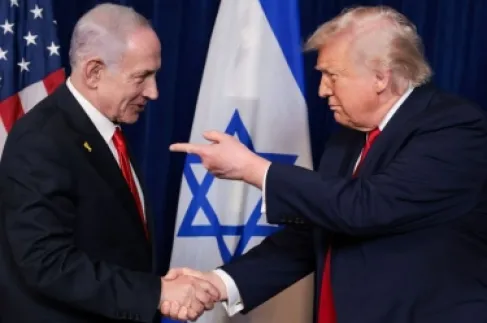
In the Gaza file, The Guardian's editorial highlighted the continuous Israeli operations in the sector despite ceasefire agreements, considering that the United States does not seem ready to exert real pressure on Prime Minister Benjamin Netanyahu to enforce compliance with the truce.
The newspaper urged European countries to use their political and economic influence to stop the war, considering that the ongoing trade relations with Israel despite its disregard for commitments undermines the credibility of European positions towards the war in Gaza.
Reverse Migration
In another topic, the Jerusalem Post discussed the escalating migration of Israeli scientists and researchers abroad in search of better opportunities, warning of strategic losses affecting the technology, security, and defense sectors due to the decline in talent returning to Israel.
In the file of international relations, Time magazine reported that the meeting between U.S. Secretary of State Marco Rubio and Pope of the Vatican Leo XIV represents an attempt to repair the relationship between Washington and the Vatican, as well as being an early political test for Rubio's potential presidential ambitions.
Meanwhile, The Independent observed that the losses of the Labor Party in the local British elections reflect a clear decline in the popularity of Prime Minister Keir Starmer, amid rising internal pressures and increasing support for the Reform Party led by Nigel Farage.