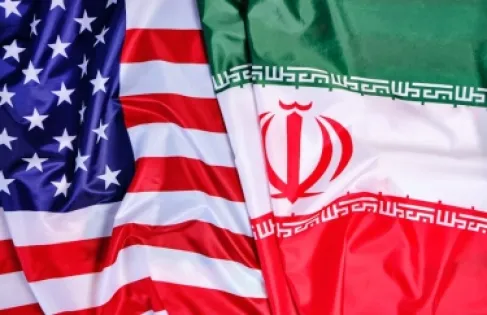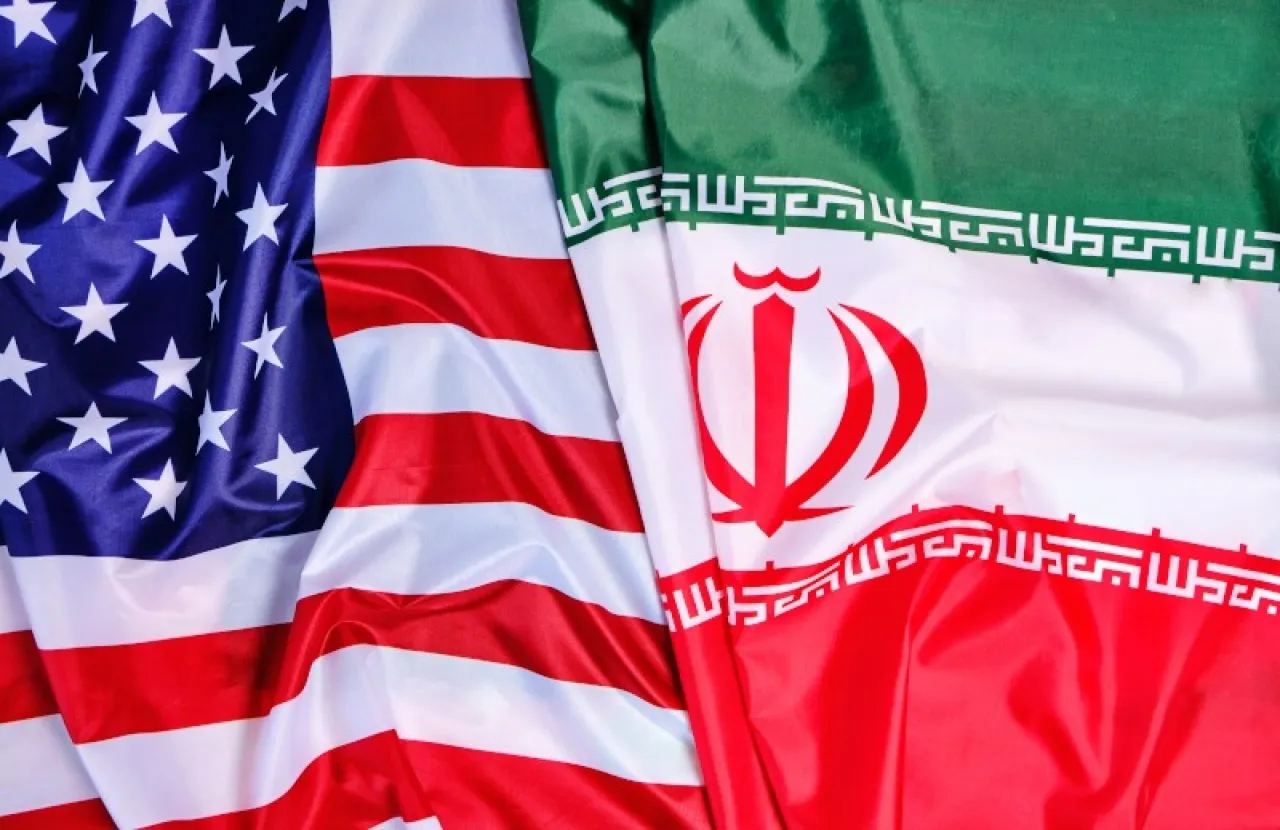
Khaberni - Western media today (Thursday) revealed that the United States and Iran are nearing the conclusion of a limited and temporary deal to halt their war through a draft for a framework that would end the fighting, but the most contentious issues remain unresolved.
Reuters agency, citing sources and officials, stated: "The two countries are working on reaching a temporary arrangement that prevents the recurrence of conflict and secures stability of navigation through the Strait," pointing out that the new plan focuses on a short-term memorandum of understanding rather than a comprehensive peace agreement, highlighting the intensity of the disagreements and indicating that any agreement at this stage would be temporary.
Tehran and Washington have lowered their ambitions about reaching a comprehensive settlement as disagreements continue on issues such as the Iranian nuclear program, the fate of stocks of highly enriched uranium, and the duration for which Tehran will suspend its nuclear program.
At the same time, the agency reported a Pakistani official involved in the mediation efforts between the sides saying: "Our priority is for Iran and the United States to declare a permanent cessation of the war, and other issues can be discussed once they return to direct talks."
A Pakistani source and another familiar with the mediation efforts mentioned that the two parties are nearing an agreement on a one-page memorandum that would formally end the conflict, while sources and officials indicated that the proposed framework would be implemented in three phases: formally ending the war, resolving the Strait of Hormuz crisis, and opening a 30-day window for negotiations on a broader agreement.
Concern is escalating within Israel about the course of the US-Iranian negotiations, despite assurances from Israeli Prime Minister Benjamin Netanyahu of full coordination with Washington, and according to Israeli media, Israeli concerns lie in the absence of permanent guarantees to halt the Iranian nuclear program, the lack of restrictions on the missile program, and the possibilities of Tehran regaining its ability to fund its allies.