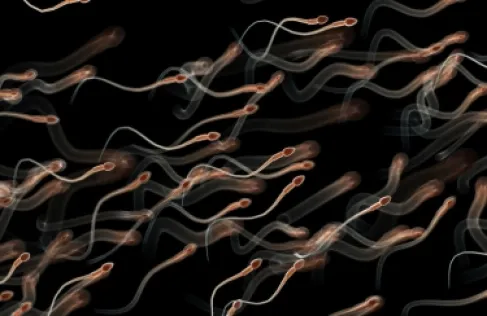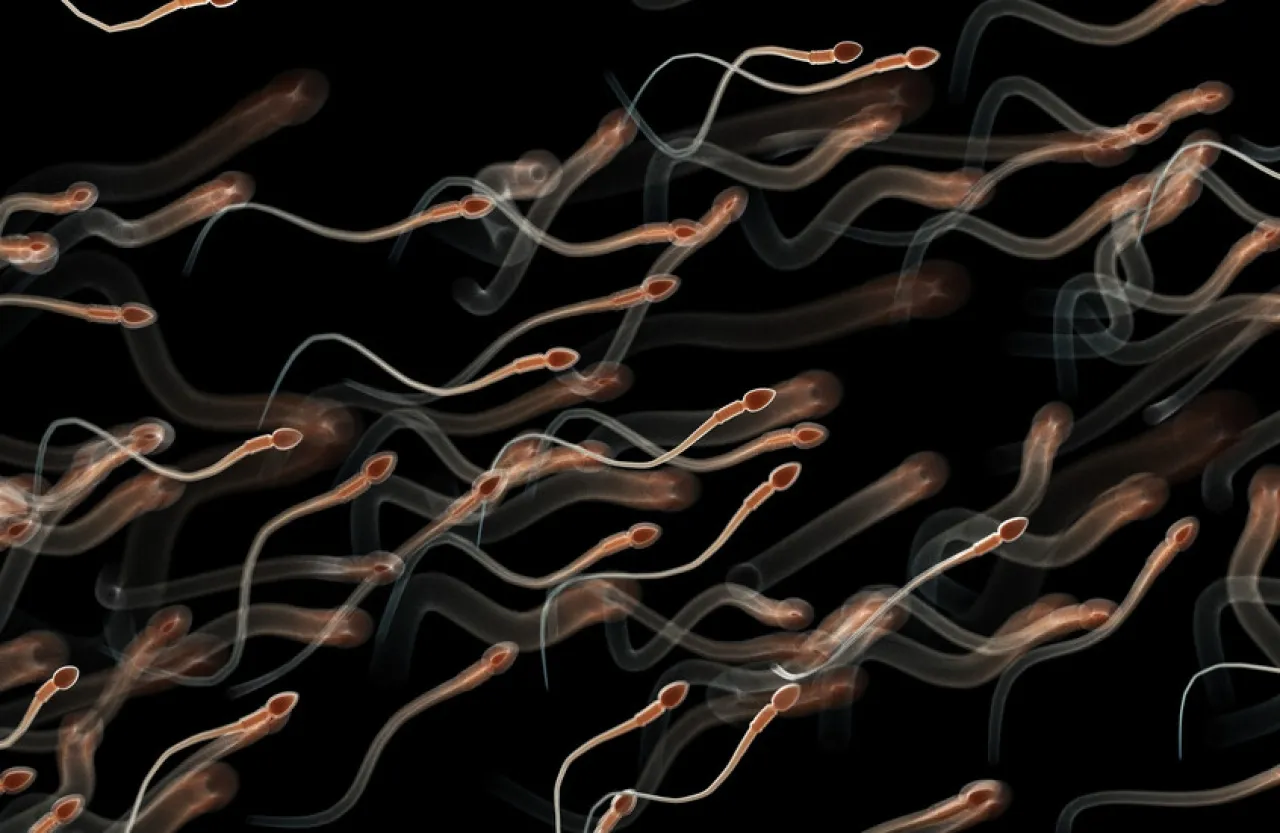
Khaberni - A recent study found that exposure to environmental chemicals in the early stages of life may affect men's reproductive health up to adulthood and cause genetic abnormalities in sperm.
Past studies conducted on animals have shown that continuous exposure to certain chemicals during early life stages can negatively affect male fertility, although human evidence was limited until recently.
The study, conducted by environmental epidemiologist Melissa Perry and her specialized research team, revealed a link between exposure to chemicals during pregnancy and childhood and the occurrence of sperm abnormalities in adults. This study is one of the first to trace this effect across extended life stages from prenatal to adulthood.
Healthy sperm play a crucial role in reproduction, containing 23 chromosomes that represent human genetic material. However, the researchers found that some participants who were exposed to higher levels of chemicals in their early life had sperm with extra chromosomes, potentially increasing the risk of miscarriage or congenital defects such as Klinefelter syndrome.
Perry, the dean of the School of Public Health at George Mason University, said, "These findings provide new evidence that exposure to chemicals during the fetal stage and thereafter can leave a lasting impact on the DNA integrity of sperm into adulthood."
The study was based on analyzing semen samples from men aged between 22 and 24, whose mothers had provided blood samples during pregnancy between 1986 and 1987. Levels of persistent chemicals, such as polychlorinated biphenyls (PCBs) and perfluoroalkyl substances (PFASs), were measured in the mothers' blood and later in their sons at the ages of seven and fourteen.
Decades later, these men underwent semen tests, and the results showed that early high exposure to these substances was linked with chromosomal abnormalities in the sperm at adulthood.
Normal sperm contain only an X or Y chromosome, but the study found that exposure to polychlorinated biphenyls was particularly associated with the presence of an additional Y chromosome, while perfluoroalkyl substances were associated with increases in both X and Y chromosomes.
The researchers believe that the source of PCB exposure could be the maternal diet, especially through contaminated seafood, while PFAS compounds are thought to spread through food, water, and air due to environmental pollution.
Perry emphasized that "chemical exposure represents a public health issue, with increasing evidence linking it to a decline in sperm quality. We need policies that limit the spread of these substances in the environment and protect the reproductive health of future generations."