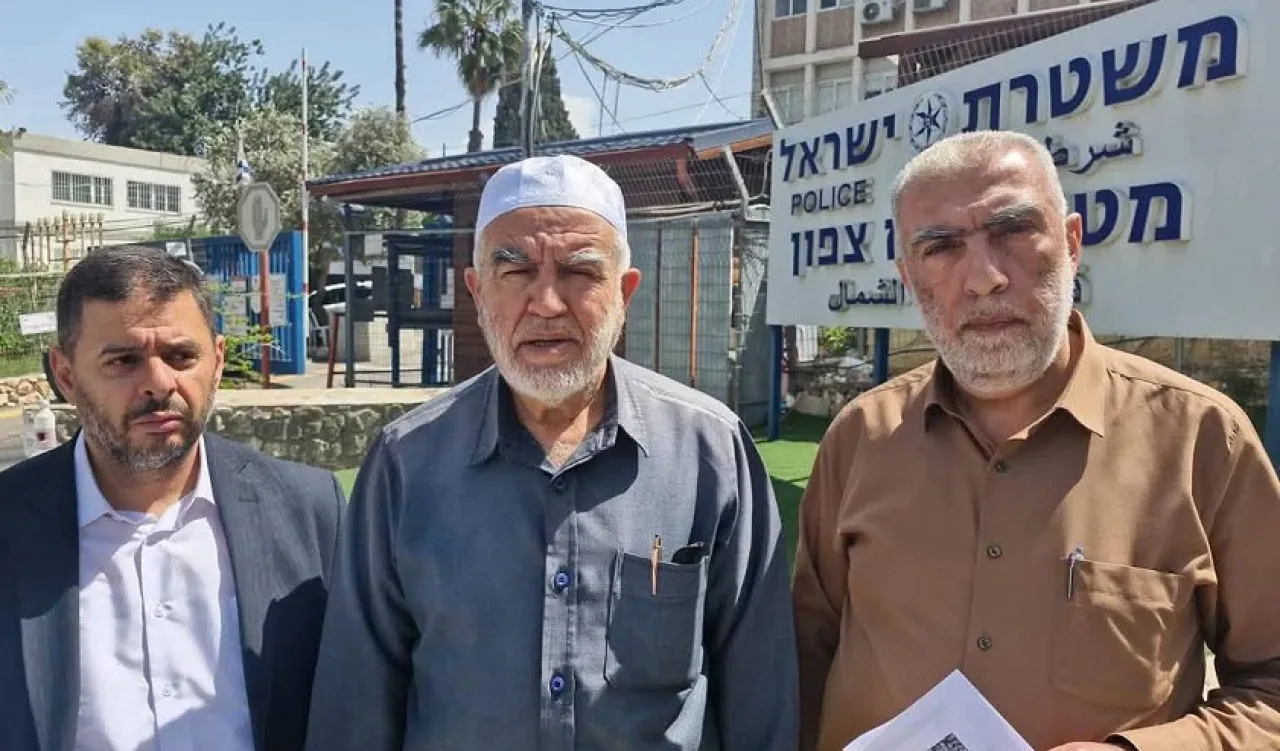
Khaberni - The occupation police in Jerusalem decided to exclude Sheikhs Raed Salah and Kamal Khatib from the Al-Aqsa Mosque for a period of six months under the pretext of "security considerations".
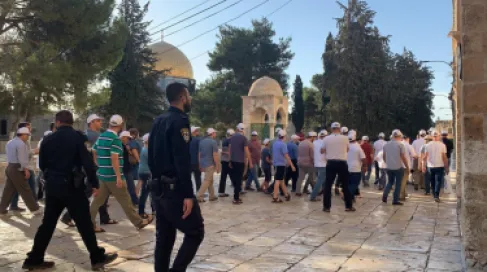
The occupation police in occupied Jerusalem issued a decision to ban Sheikhs Raed Salah and Kamal Khatib from the Al-Aqsa Mosque and its courtyards for six months, starting from April 27 until October 27, 2026.
The decision, signed by the police chief in the Jerusalem area, Ofshalom Peled, is based on powers granted under the 1971 police orders, under the claim of "preserving public security and safety".
The decision stipulates "prohibiting the entrance of the sheikhs to the courtyards of Al-Aqsa Mosque or being present in them, except in case of obtaining a special and direct permit from the police chief".
In his comments on the decision, Sheikh Kamal Khatib expressed his rejection of the measure, considering it part of "an ongoing pursuit" since the banning of the "Islamic Movement" in 2015, pointing out that the justification of the decision on security grounds "is not based on real grounds".
Sheikh Kamal Khatib also linked the timing of the decision to his ongoing trial sessions since 2021, based on charges of incitement, affirming his adherence to his positions despite the measures taken against him.
This decision comes as part of a series of restrictions imposed by the occupation authorities on the sheikhs over the past years, which included repeated ban orders from Al-Aqsa Mosque alongside other pursuits and restrictive measures.
Sheikh Raed Salah had headed the "Islamic Movement" before its ban and faced repeated arrests and bans, while Sheikh Kamal Khatib previously held the position of vice president of the movement and currently presides over the "Freedom Committee" emerging from the Higher Follow-Up Committee, facing similar measures himself.
This step reflects the continuing occupation policies that restrict access to the Al-Aqsa Mosque, particularly against prominent religious and political figures in the 48 territories.