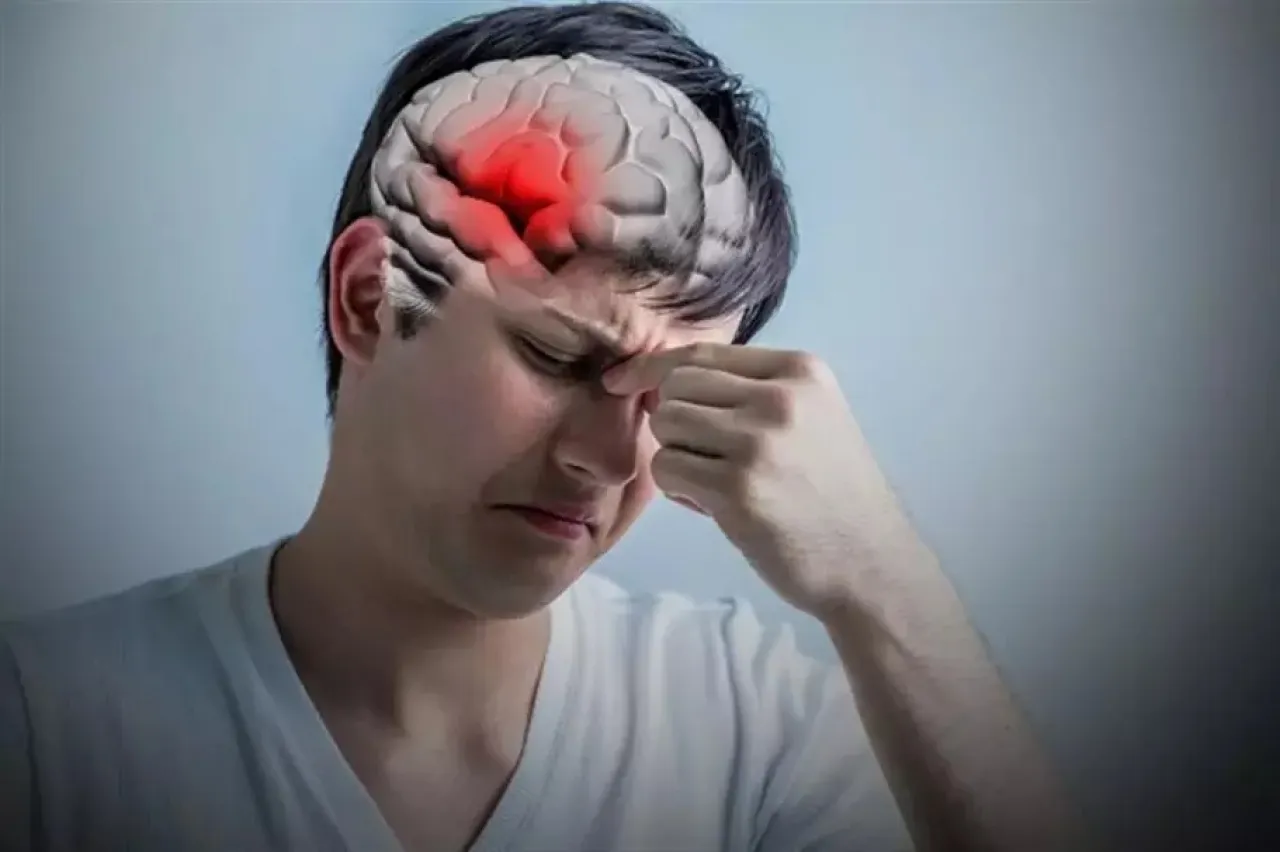
Khaberni - A neurologist has revealed three common habits that seem harmless at first glance, but he strongly recommends avoiding them entirely as they may lead to stroke.
A stroke is a medical emergency that occurs when blood flow to part of the brain is cut off, leading to the death of brain cells and affecting speech and movement, and immediate hospital assistance is needed as it is life-threatening.
The main symptoms of a stroke include drooping of the face and arm and slurred speech, which can appear suddenly. Thus, the easiest way to remember them is by the acronym FAST, where the letters stand for: Face (F), Arms (A), Speech (S), and Time (T).
- Face (F): One side of the face may droop, or the person may be unable to smile, or their mouth or eye may sag.
- Arms (A): The person may be unable to raise both arms and keep them raised due to weakness or numbness in one arm.
- Speech (S): Speech may be unclear or slurred, or the person may be unable to speak at all even though they appear awake, and may also experience problems understanding what you are saying to them.
- Time (T): This means that it may be time to call emergency services immediately if you notice any of these signs or symptoms.
Dr. Baiping Chen, a neurologist and biostatistics scientist and researcher, uses social media to advocate for "brain health," released a video on "TikTok" that has amassed over five million views, sharing three daily habits he personally avoids to keep his brain in optimal condition.
He told his followers, "These are three things I don’t do as a neurologist because I have seen strokes happen this way."
* Firstly: Why does the doctor avoid energy drinks?
Dr. Chen's list of avoided habits starts with energy drinks, explaining that he never drinks them and prefers to stick to coffee in the morning only.
The reason, he explains, is that many energy drinks contain very high levels of caffeine, sometimes exceeding the daily recommended limit for most adults, and then other stimulants such as guarana (an additional source of caffeine) and taurine are added, substances that amplify the effect of caffeine.
According to Chen, this mix can disrupt the blood vessels' ability to regulate themselves and increases the risk of serious ventricular arrhythmias.
When the ventricular rhythm (irregular heartbeats) gets disrupted, blood clots can form, travel through the bloodstream to the brain, and cause a stroke.
Dr. Chen adds that there is an additional risk involving these drinks containing excessive amounts of B vitamins, which can over time lead to nerve damage, conditions he has personally seen in some patients.
* Secondly: The Deadly Mistake in the Gym
The second habit Dr. Chen avoids is a common mistake many make while exercising without realizing its danger.
Dr. Chen says he never performs the "one-rep max" exercise, lifting the heaviest possible weight for only one repetition, especially if accompanied by breath holding.
The doctor describes this situation as medically known as " weightlifting stroke," which occurs when lifting heavy weights with breath holding and performing what is called the "Valsalva maneuver" (attempting to exhale while closing the airway). This behavior, as he explains, can lead to a rise in systolic blood pressure to extreme levels reaching more than 400, generating an enormous force on the delicate blood vessels in the brain.
Chen confirms that he has seen cases suffering from brain hemorrhage specifically due to this reason. However, he reassures sports enthusiasts and beginners alike, clarifying that there are safer ways to build strength, through controlling breathing and exhaling while exerting effort, and using weights less than the maximum limit.
* Thirdly: Hidden Dangers in Yoga Poses
Dr. Chen warns that some yoga poses can pose a health risk, forcing the neck to excessively stretch backward or bend forward excessively, which can be fraught with dangers.
In rare cases, as Chen confirms, these poses can lead to what is known as "arterial dissection," a tear occurring in the vessel wall, which can be a direct cause of stroke. The doctor has personally seen such rare cases.
Therefore, he advises paying careful attention to the neck position during yoga practice and avoiding excessive strain, as this simple awareness can protect against risks that many may not anticipate.