Khaberni - A senior official in the U.S. State Department said that the United States is looking forward to concrete actions from the designated Iraqi Prime Minister Ali Al-Zaidi to distance the state from armed groups loyal to Iran before the resumption of financial and security aid.
The official, requesting anonymity, said in statements reported by the French Press Agency last Tuesday that Al-Zaidi needs to clarify the “unclear line” between the Iraqi state and the groups loyal to Iran.
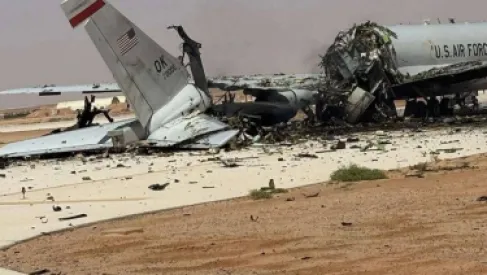
Washington has suspended cash payments for oil revenues, which were handled by the Federal Reserve in New York under an agreement dating back to post the American invasion of Iraq in 2003, as well as suspending security aid due to a series of attacks on U.S. interests following the outbreak of war in the Middle East with an American-Israeli attack on Iran.
The official emphasized that “the resumption of full support first requires the expulsion of terrorist militias from all state institutions, cutting off their support from the Iraqi budget, and preventing payments to their fighters”.
The official added, “These are the concrete actions that will give us confidence and affirm the existence of a new mindset.”
Targeting American Facilities
The official mentioned that American facilities in Iraq were subjected to more than 600 attacks after the war broke out on February 28.
The attacks ceased following a ceasefire agreement between the United States and Iran on April 8.
The official said, “I do not underestimate the severity of the challenge or what it takes to untangle these relationships. It may start with a clear and unambiguous political statement that the terrorist militias are not part of the Iraqi state,” considering that some parts of the Iraqi state “still provide political, financial, and operational cover for these terrorist militias,” as he described.
Attacks claimed by armed factions in Iraq targeted the U.S. Embassy in Baghdad, its diplomatic and logistical headquarters at the capital’s airport, and oil fields managed by foreign companies.
Most of the Iraqi armed groups have allied in the framework of the “Popular Mobilization Authority,” which was established in 2014 to fight the Islamic State organization, then joined the Iraqi military institution and became part of the armed forces. However, this body also includes brigades allied to Iran that operate independently.
Formation of the Government
Al-Zaidi was tasked with forming the government after being nominated by the Coordination Framework, composed of the main Shia forces in Iraq (excluding the Sadrist Movement), instead of the previous Prime Minister Nouri Al-Maliki, who faced American opposition to his nomination.
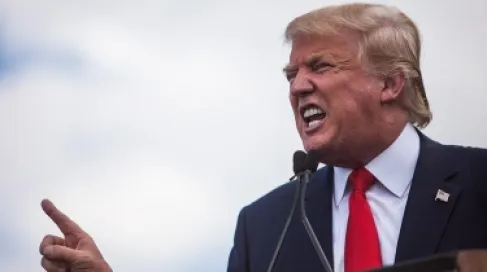
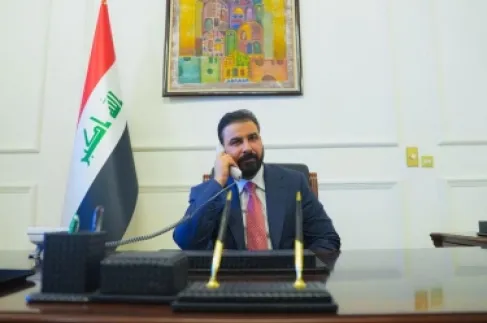
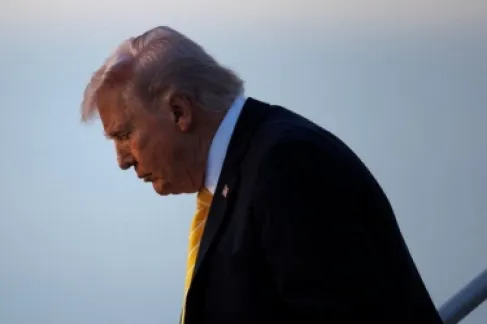
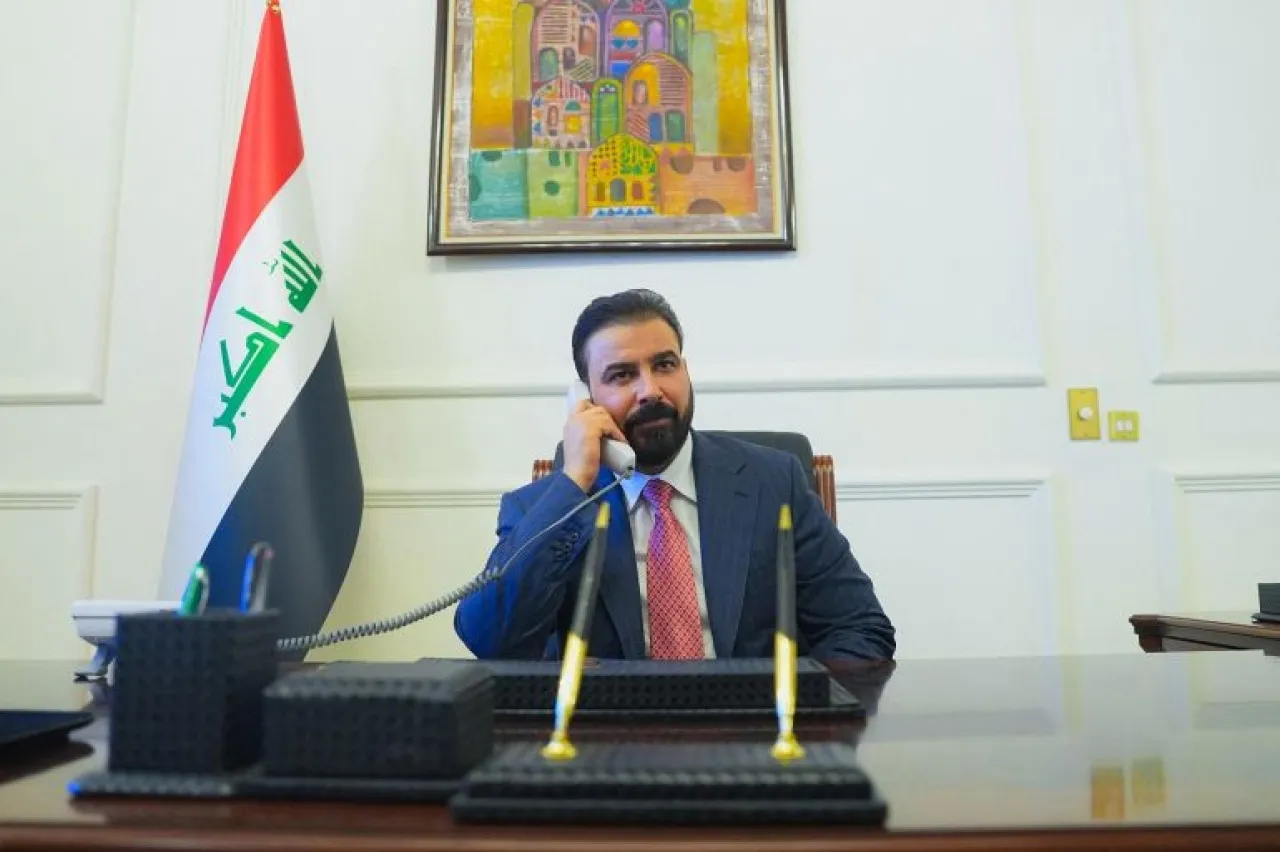
Al-Zaidi received a phone call from U.S. President Donald Trump, congratulating him on his formal appointment to form the new government and inviting him to visit Washington.
Trump’s rejection of the Coordination Framework’s nomination of Maliki was a significant stumbling block, causing a decline in his chances for appointment, which led to a division within the Framework between sticking to sovereignty in choice and fear of international isolation.
Al-Zaidi faces a daunting task, as he must complete the government formation within the next thirty days in a country fraught with severe political tensions.
The appointment ended a crisis that lasted for months after Trump's threat to cut all forms of support for Iraq if Maliki took over the government again after having served twice.