Khaberni - In the realm of social media platforms, quick tips promise you can "reset your nervous system" with the push of a button: deep breathing, take a cold shower, or practice a certain ritual, and you'll return to your normal state. However, behind this attractive rhetoric, science tells us a completely different story.
The nervous system does not operate like an electronic device that can be rebooted. Stress or fatigue is not a technical fault but a direct result of the nature of this complex system.
The autonomic nervous system is divided into two branches: one activates the "fight or flight" response, and the other returns the body to a state of calm. This balance allows us to adapt to threats, but it was not designed to deal with the constant pressures that characterize our modern lives.
A Function Out of Control
Scientifically, stress is not a disease, but a biological response aimed at protecting the body. The problem starts when it becomes chronic, leaving the body in a constant state of alert, which some mistakenly describe as "nervous system fatigue".
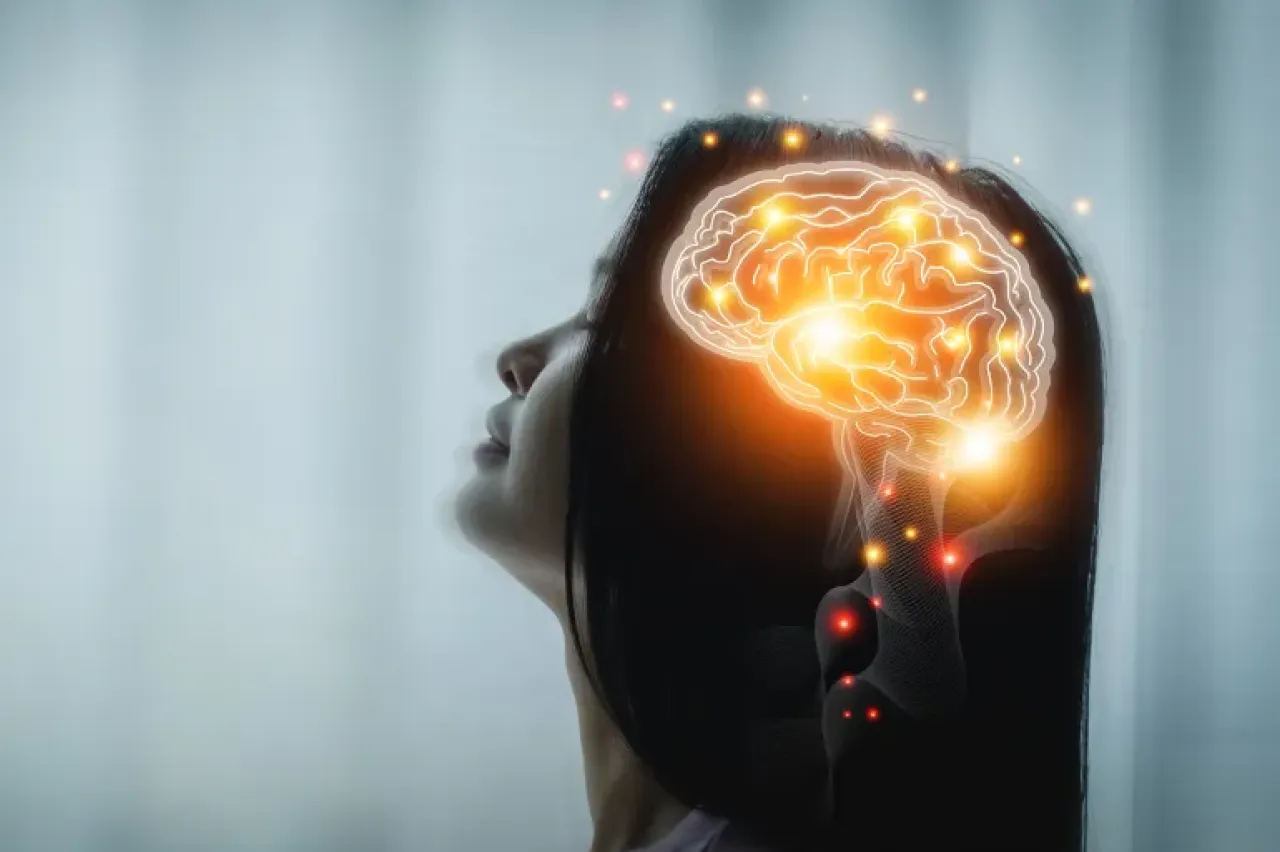
Research indicates that ongoing stress affects the brain itself, in memory, mood, and cognitive functions, due to hormones such as cortisol.
From Science to Trend
Part of the spread of the "reset" idea is due to language. Terms like "nervous system dysfunction" sound scientific, but they are loosely used to describe ordinary everyday experiences. This expansion makes anxiety or fatigue seem like a complex medical condition.
Theories such as "polyvagal theory" have contributed to the spread of the discourse, despite scientific criticisms regarding their accuracy in explaining neural processes.
The Idea of a "Magic Button"
The answer is psychological and cultural. The idea of a "button" that quickly restores balance gives a sense of control in a fast-paced and stressful world. However, it oversimplifies the problem, while science confirms that neural balance is a continuous dynamic process, affected by daily habits, not by a single trick.
What Actually Works?
Scientific evidence suggests that dealing with stress depends on cumulative strategies:
Regular physical activity helps the body regulate its response to stress.
Good sleep and balanced nutrition maintain the stability of the nervous system.
Techniques such as meditation and deep breathing reduce cortisol levels.
Exposure to nature or practicing arts can relieve stress and improve mental state.
In the end, there is no button to reset the nervous system, as stress is part of our biological design, and the problem is not its presence but its continuation without recovery periods.
While the idea of a "quick reset" is tempting, the truth is simpler: balance is not achieved with the push of a button, but with a lifestyle whose impact accumulates over time.