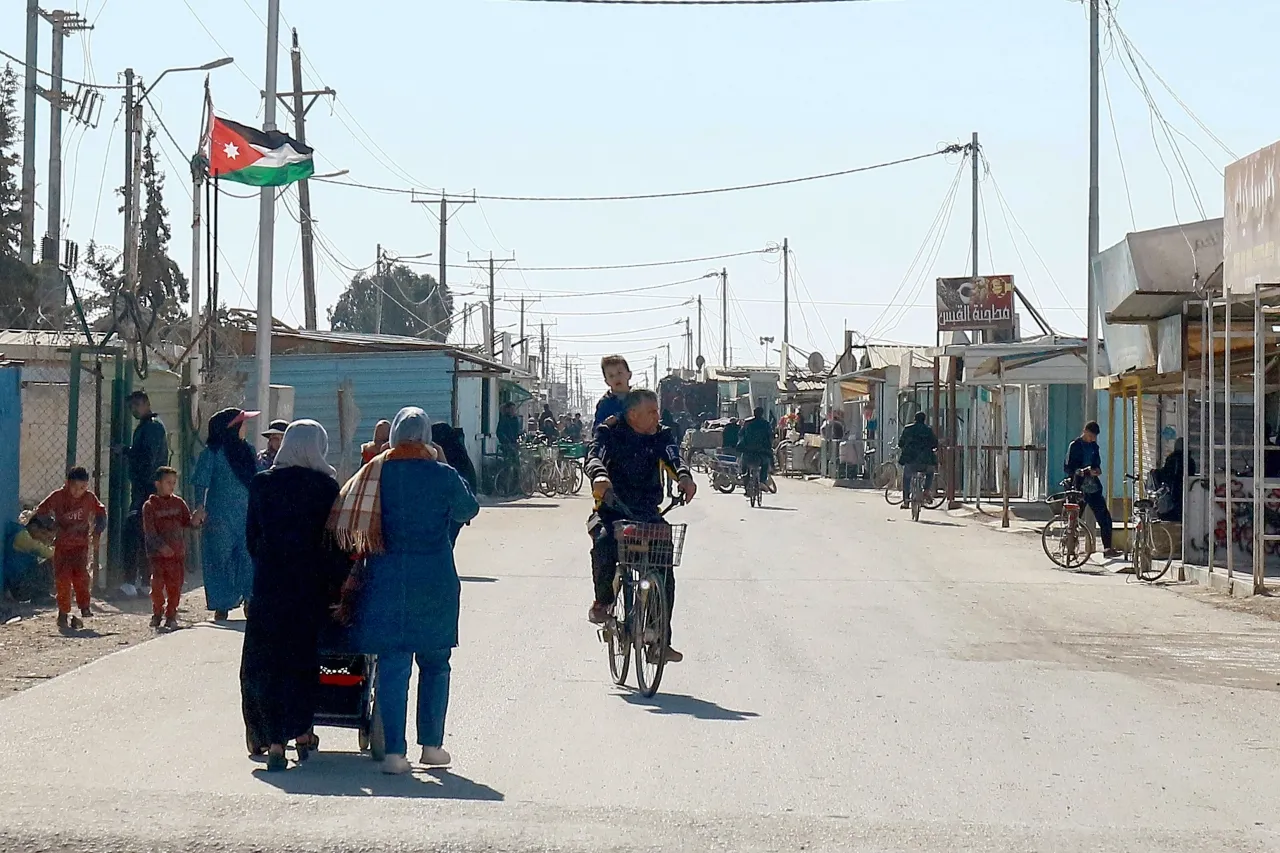
Khaberni - Jordan's response plan for the Syrian crisis (JRP) for this year faces an unprecedented financial challenge with the beginning of the second third of the year, as international aid tracking data revealed a funding gap of 98.31%, of the total estimated needs for Jordan.
According to data analyzed by the Financial Tracking Service (FTS), as updated until April 30, the "confirmed" funding (which includes disbursed amounts and signed commitments) amounted to about 47.4 million dollars, according to Al-Ghad.
Looking at the needs estimated by Jordan at about 2.8 billion dollars, the proportion of needs met did not exceed 1.69% of the actual requirements to secure the needs of refugees and host communities.
The decline in this funding is a continuation of the shrinking international community's interest in the Syrian refugee crisis over recent years, as the priorities of international donors have shifted toward other global crises, while the weak international response to the Jordanian plan puts significant pressure on the public treasury, which will be forced to increase its spending on local infrastructure and services.
A previous analysis revealed that the funding shortfall for Jordan's response plan for the Syrian crisis over the past decade (from 2015 to the end of 2024) reached 13.414 billion dollars, of the total size of Jordan's needs determined by the government to support Syrian refugees in the country, while the shortfall last year amounted to 1.36 billion dollars, which is about 85.3%, of the total estimated funding of 1.6 billion dollars.
It should be noted that the Jordanian government decided since 2017, six years after the onset of the Syrian crisis, to introduce Jordan's response plan for the Syrian crisis, which was prepared through a collaborative and intensive effort between representatives of ministries, related institutions, UN organizations, donor countries, and non-governmental organizations, after it had previously sufficed with providing annual estimates to donor agencies, whereupon after approving the response plan, an initial plan for the years (2018-2020) was launched, with a total size of about 7.3 billion dollars, with an average of about 2.4 billion dollars annually, before an annual plan was approved over the past years.
Returning to the Financial Tracking Service FTS data, these showed that aid was concentrated in several sectors, foremost of which is the health sector that attracted funding of 14.4 million dollars, which accounted for 29.4% of the total aid, followed by the protection sector by securing funding of 6 million dollars, which is about 12.7% of the funding amount, followed by the early recovery sector, which received 11% of the total aid, at a rate of 5.2 million dollars, with the remaining aid distributed across sectors of education, early childhood, food security, sanitation, and others.
Turning to the donors and partners, the data showed Japan leading the list of donors with its commitment to fund the plan with 15.8 million dollars, which represents 33.4% of the total funding; followed by Switzerland, which funded the response plan with 8.2 million dollars, representing 17.4% of all aid; and then Canada, supporting it with approximately 4.7 million dollars, which constitutes 10% of the committed funding for the plan.
According to the latest data from the UN High Commissioner for Refugees, the number of Syrian refugees that have returned to their country from Jordan, since the fall of the Assad regime on December 8, 2024, until mid-April, has reached about 190,000 refugees, which constitutes 28% of the number of Syrian refugees registered with the Commissioner, and this percentage drops to less than that if calculated from the total official estimates of the number of refugees in the kingdom, estimated at 1.3 million people, to 14.6%.