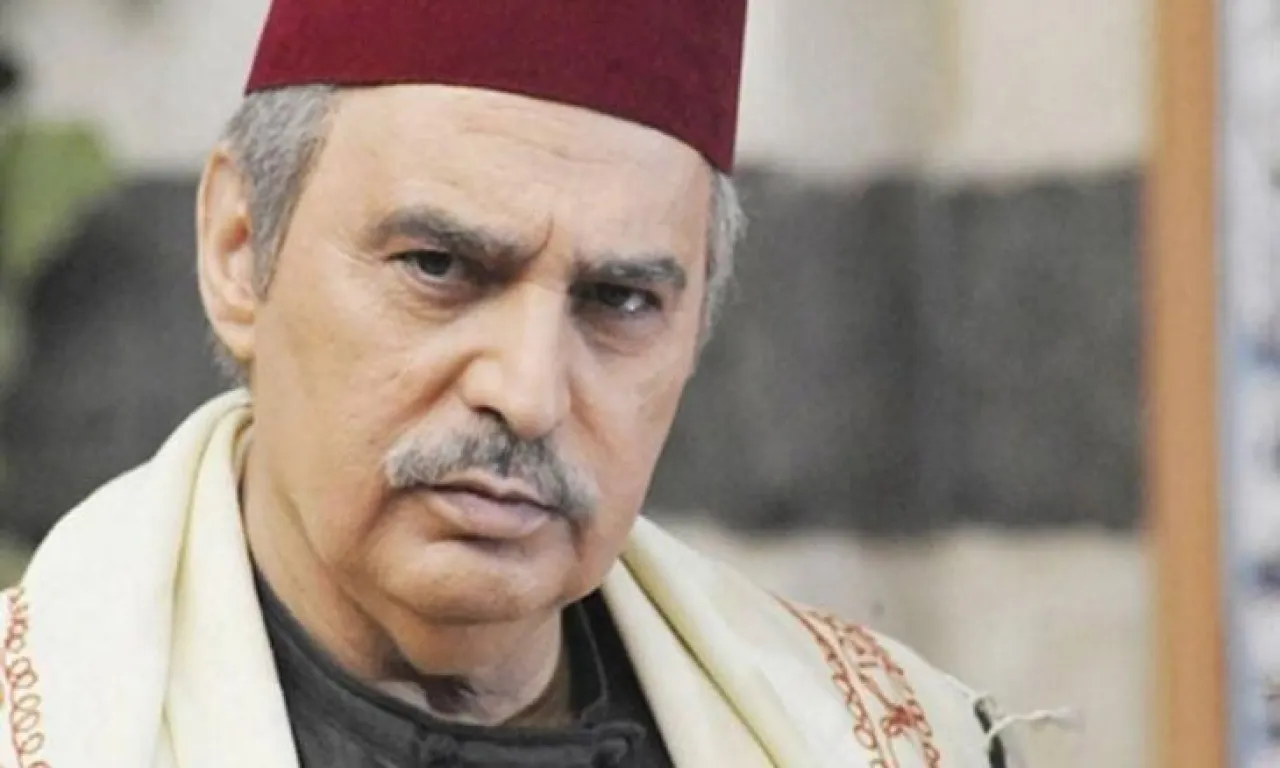
Khaberni - Syrian artist Abbas Al-Nouri denied what writer Marwan Qawooq said about his departure from "Bab Al-Hara"; because of his demand for 400 thousand dollars, confirming that the real reason is "betrayal," as he was excluded from the third part without his knowing, while he was expecting to continue the episodes, as he expressed.
However, Al-Nouri considered, in media statements, that the character "Abu Issam" he presented in the series is considered a "medal on his chest," in his words.
He defended the series "City Kitchen," which was aired last Ramadan amidst great success but did not escape harsh criticisms.
He stressed that the series was strongly present in a season characterized by fierce competition, praising the character "Chef Talhat Al-Jamal" and the cooperation with writer Ali Wajih and director Rasha Sharbatji, whom he described as having the courage to face herself and develop her tools.
About the criticisms related to the age gap between him and the artist Abdul Munim Amairi, who played his son in the striking work, he explained that the real difference between them is 18 years and not as rumored, and that he has passed seventy years of age.
Regarding Maxim Khalil leading the series' opening credits, Al-Nouri confirmed that he does not care about credits, but what matters to him is the impact he leaves within the work, emphasizing that he has not and will not discuss this matter with Maxim, as he said.
The series "Bab Al-Hara" is considered an exceptional dramatic phenomenon in the history of Syrian and Arab drama, as it achieved wide popular success since its launch in Ramadan 2006, and succeeded, according to followers, in "highlighting the values of bravery, chivalry, social solidarity, and mutual support among neighbors, with showcasing the woman's role as a wife and sister."
Others saw that the events of the series that take place in an ancient Damascene alley provided a kind of "nostalgia" to the Arab viewer, as it conveys details of daily life, in terms of habits, traditions, clothes, and other terms, reflecting the authenticity of the Damascus society.
The work succeeded in capturing hearts by depicting the resistance of the neighborhood's inhabitants against the French occupier, combining social comedy and serious drama, which made it one of the most influential works in the Arab world.
However, the work, in turn, sparked a controversy regarding the dominance of "male culture" in its dramatic plot as it was accused by feminist activists of "marginalizing the role of women" and confining it to negative stereotypical forms, according to some criticisms.