Khaberni - The Jordan Chamber of Industry emphasized the central role of the Jordanian worker, especially in the industrial sector, which is considered one of the most important pillars of the economy and very capable of generating job opportunities and sustainable growth.
The Chamber pointed out that its participation in the celebration of Labor Day is in recognition of their vital role in building the national economy and enhancing the journey of comprehensive development, considering them a fundamental driver of the production wheel, and promoting the principle of self-reliance.
The Chamber affirmed that the Jordanian worker, across various positions, has always received special attention from His Majesty King Abdullah II, who reaffirms on various occasions that the Jordanian people are the real wealth of the nation, and that their empowerment, qualification, and provision of a decent life is a national priority.
The Chamber emphasized that His Majesty's directives to focus on training and qualifying Jordanian youth and linking vocational education to the needs of the industrial market represent a roadmap to enhance reliance on qualified national labor and improve productivity across various industrial sectors.
The Chamber explained that this royal vision aligns with national efforts aimed at developing the work environment, enhancing social protection, and improving the efficiency of human resources, especially in the industrial sector.
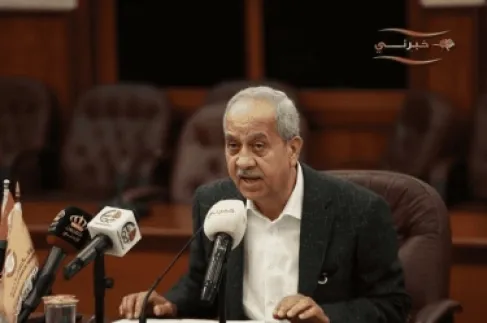
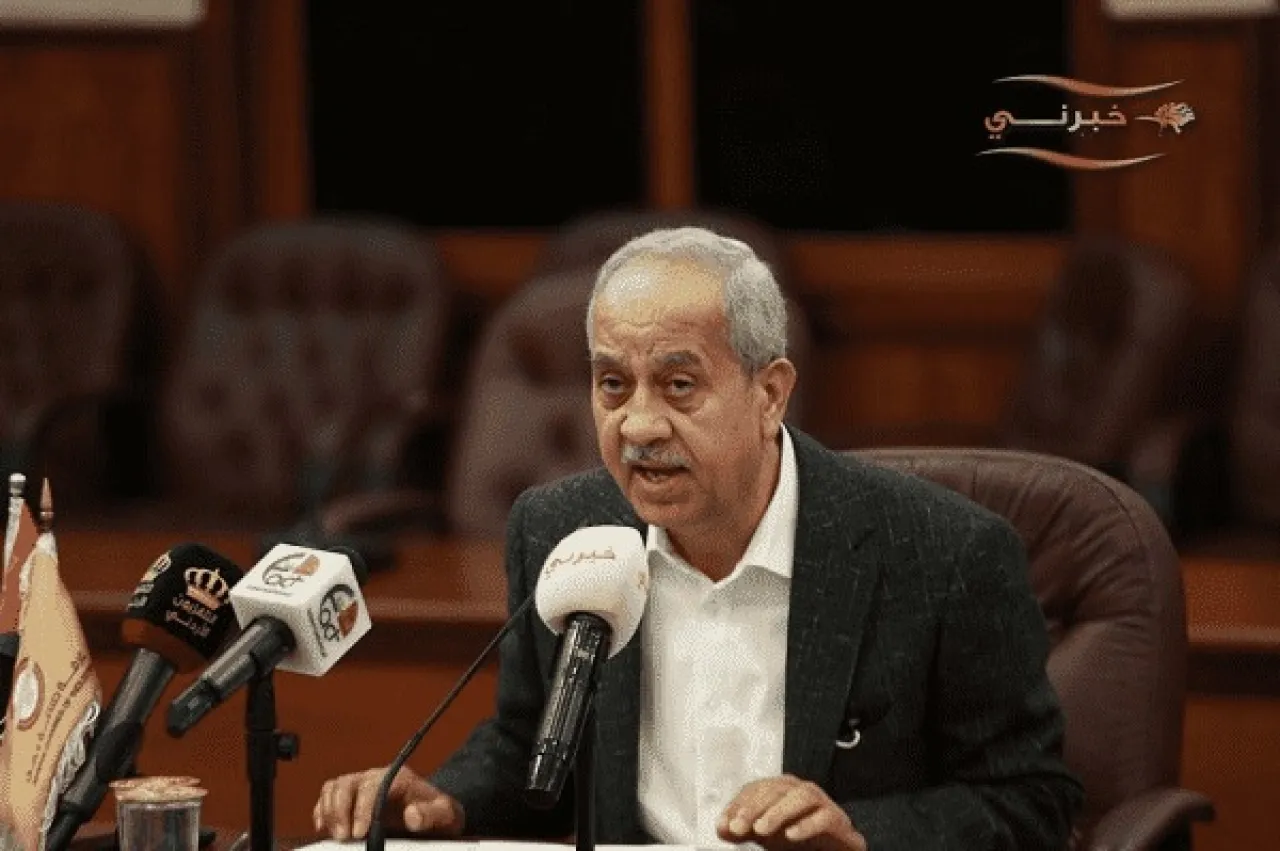
Chairman of the Chamber Fathi Jaghbeer stated that the industrial sector is one of the most capable sectors in providing and creating job opportunities in the national economy, where it continues to play a pivotal role in employing Jordanians and attracting newcomers to the labor market.
He added that the industrial sector currently employs about 271,000 workers across approximately 18,000 industrial facilities spread across various provinces, constituting about 21% of the total workforce in the kingdom, while this percentage rises to about 28% of the total private sector employment.
He continued that the role of the industrial sector is not limited to existing employment, but extends to providing new opportunities, as it accounts for about 40% of newly created jobs in the private sector.
He noted that the sector was able to create more than 15,000 net job opportunities last year, and it provides on average 13 jobs for each new industrial facility, compared to about 3 jobs in other sectors.
These data reflect the sector's high efficiency in generating employment opportunities and enhance its role as one of the most important drivers of economic and social stability, especially in the presence of high unemployment rates.
He pointed out that the industrial sector contributes to improving living standards, injecting approximately 5.2 billion Jordanian dinars annually as wages and compensations for workers, which enhances purchasing power and supports social stability.
He indicated that the sector places great importance on providing a decent and safe work environment, ensuring workers' rights and preserving their dignity, thus it has the widest coverage under the social security umbrella and the highest compliance with it.
He mentioned that the number of employees registered under the social security umbrella during the last year was approximately 262,000 workers, making up 96.5% of the total number of employees, reflecting high levels of compliance and insurance coverage compared to other sectors.
Jaghbeer stated that the sector has witnessed noticeable progress in empowering women, where their participation rate has risen to about 34% of the total industrial workforce, a clear indicator of the evolving role as a key partner in the production process.
He mentioned that with the efforts and efficiency of Jordanian workers, the industry has achieved qualitative achievements, represented in producing more than 1,500 Jordanian goods reaching over 150 markets worldwide, contributing to establishing the reputation of Jordanian industry and enhancing its competitiveness internationally, alongside the high added value which reaches 46% among the highest in the region, reflecting the deep contribution of labor in creating economic value.
Jaghbeer stated "In the light of the economic modernization vision, the industrial sector is greatly relied upon to provide employment opportunities in the coming years, where it is expected to account for about a third of the new jobs in the kingdom, placing significant responsibility on various entities to invest in training and qualifying human resources, and aligning educational outputs with market needs."
He added "In this context, efforts continue to develop vocational and technical training programs, enhance the culture of productivity, and improve the efficiency of Jordanian workers, enabling them to keep up with technological advancements and shifts in production patterns."
He explained that the relationship between workers and employers is based on integration and partnership, where each party is a fundamental element in the success of the production process, highlighting the importance of enhancing social dialogue and establishing mutual trust to balance production requirements and workers' rights.
He pointed out that Jordan ranks 20th globally in skilled labor according to the International Institute for Management Development, a leading academic institution based in Switzerland, with noticeable progress in digital expertise.
He noted that the rate of foreign labor has decreased in favor of local labor by 40% thanks to training and qualification programs that the Chamber participated in with ministries and national institutions, particularly the Ministry of Labor, providing thousands of jobs for women and youth in industrial companies.
He renewed the sector's commitment to continue working with various official entities to implement royal visions, enhance the role of the national industry in providing job opportunities for Jordanians, and support the comprehensive economic development journey in the kingdom.
Jaghbeer said, "The Jordanian worker will remain, as His Majesty the King desired, the focus and the tool of development, and the most prominent headline in the national achievement journey, and with the ongoing national efforts and royal directives, the industrial sector moves forward towards a brighter future, based on production."