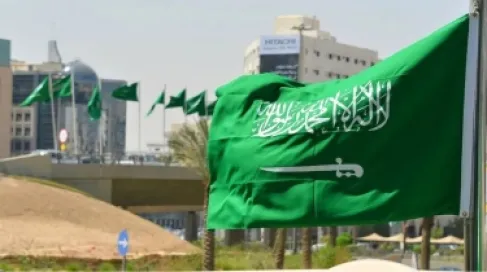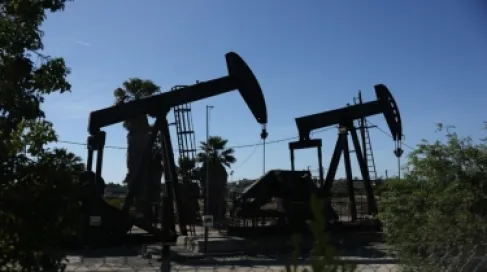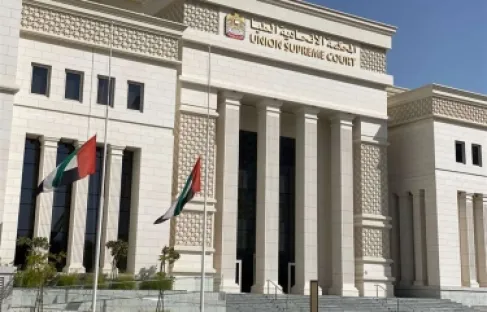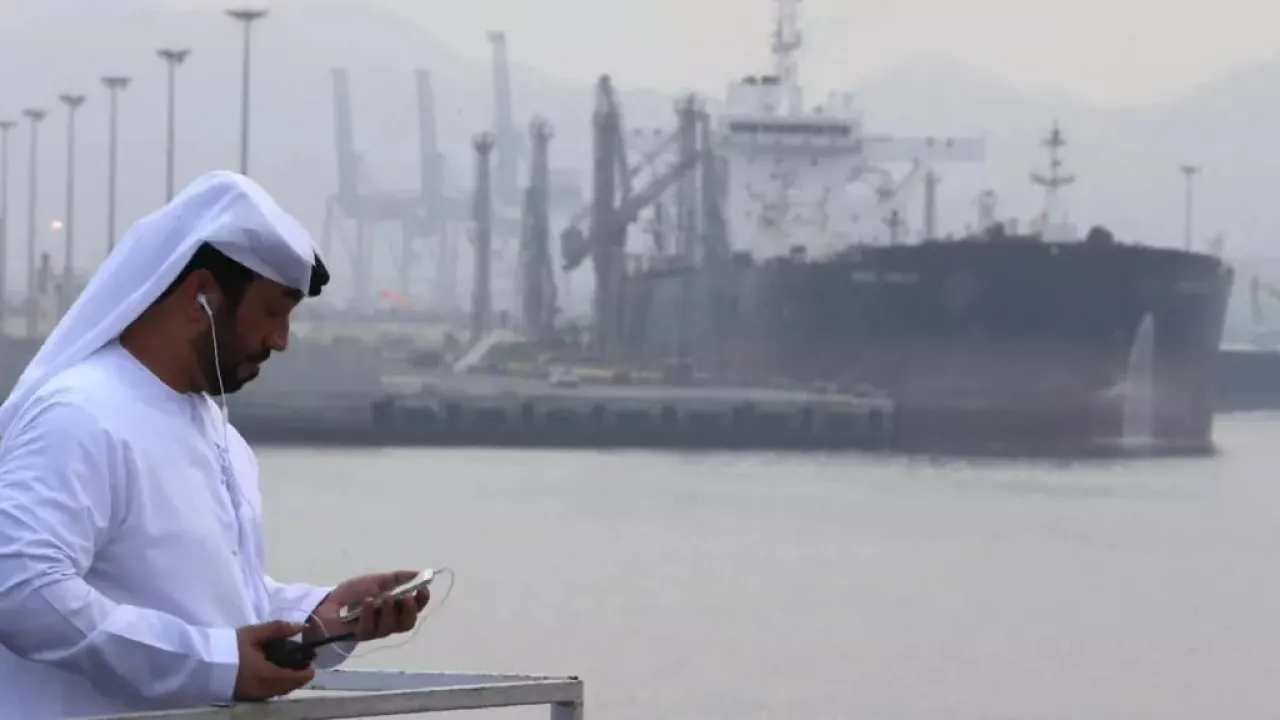
Khaberni - Analysts consider the UAE's decision to withdraw from the Organization of the Petroleum Exporting Countries (OPEC) and the OPEC+ alliance reflects years of tension with Saudi Arabia . Political analysts and regional experts said that the withdrawal from both groups, announced on Tuesday, is more than just a dispute over production quotas in OPEC, which Gulf sources say Abu Dhabi sees as biased against it.
They added that this step is part of a deeper rift in relations, as Abu Dhabi prioritizes independence and progress over compliance with Riyadh, using oil as a tool to express this independence and demonstrate rejection of dictates.
They pointed out that this separation transcends political boundaries and extends to the core of the personal and strategic relationship between the UAE's President Sheikh Mohammed bin Zayed and the Saudi Crown Prince Mohammed bin Salman.
Fawaz Gerges of the London School of Economics said, "There is something serious happening in the relationship between Saudi Arabia and the UAE... a division far more dangerous than we think." He added, "What we are now witnessing is a kind of disengagement between the two strongest leaders in the Gulf."
Strategic Disengagement
Informed Gulf sources described the UAE's move as the culmination of a strategic disengagement from Saudi-led oil management, driven by years of disagreement over conflicts in Yemen and Sudan, energy quotas, and differing visions for the system in the Gulf. The sources said that the UAE will now be able to exert direct control over how it uses its surplus oil capacity, setting aside assumptions that Gulf energy policy remains linked or constrained by Riyadh's dominance.
Emirati analyst Abdul Khaliq Abdullah said that the move taken by the "new, more assertive UAE" was partly due to regional warfare and partly within a reassessment of national interests. He added that there is now little resemblance between OPEC today and the organization that the UAE joined six decades ago, describing the system as now essentially managed by the largest producers.
He said, "Saudi Arabia and Russia (an OPEC+ member) dictate decisions and manipulate them... doing everything to enhance their own interests at the expense of others. They listen to no one."
The American-Israeli war on Iran has exacerbated regional instability, as Tehran attacked Gulf countries hosting U.S. military bases and largely closed the Strait of Hormuz, a major artery for global energy supplies. The sources said that the conflict increases economic pressures on the UAE, giving it a greater incentive to free itself from the constraints of OPEC's oil production quotas.
Ebtisam Al-Ketbi, head of the Emirates Policy Center, said that strict energy quota systems are increasingly incompatible with reality in a region facing instability and the continuous threat of energy supply disruptions. She added that the UAE, as a result, is sending clear signals that it will not mortgage its production to Saudi Arabia.
She explained, "I am not going to be mortgaged to Saudi Arabia and its decisions... that is, I am not leaving the organization but exiting a complete model of oil market management... that is, the UAE does not withdraw from the global oil market but repositions itself as one of the engineers of this system."
UAE's Interests First
In response to questions about this article, the UAE's Ministry of Foreign Affairs said that the matters addressed in the questions do not align with the facts. The ministry reiterated a statement issued Tuesday by the Ministry of Energy, which said that the UAE's decision was carefully considered and followed a comprehensive review of its production policy, as well as its current and future capacity.
It said the decision was based on national interests and a commitment to effectively contribute to meeting urgent market needs. A UAE official said the Gulf extraordinary summit held in Saudi Arabia on Tuesday to discuss the regional crisis was "a good first step in the right direction," adding, "there is still much to be done under these unstable conditions." The official also mentioned that the UAE is reviewing "the significance and feasibility" of its role and overall contributions in multilateral organizations.
Implications of the Iran War
Since the start of the war, security concerns have been of particular importance in the UAE. Anwar Gargash, the diplomatic advisor to the President of the UAE, criticized Gulf allies on Monday for their response to Iran's strikes following the American and Israeli attacks on it, which focused heavily on the use of air defense systems to shoot down Iranian missiles and drones. He described their stance as "historically weakest."
Aaron David Miller, a former American negotiator, noted that Abu Dhabi has concluded that its security depends on the two parties that have stood by it strongly during a crucial crisis - Israel and the United States. Israel provided the UAE with interception missiles in addition to an air defense system it had purchased and installed earlier.
He said this was of "utmost importance," and highlighted a strategic bet made by the UAE years ago to strengthen relations with Washington and also to consolidate a security partnership with Israel. This decision was part of a gradual shift in relations between the UAE and Saudi Arabia over the past few years.
Regional Competition
Following the Arab uprisings in 2011, the two countries moved in sync to curb political Islam and confront Iran and establish a stable regional order. But behind this convergence lay a fundamental divergence: Saudi Arabia saw itself as the natural center of power in the Gulf, while the UAE sought a more flexible and interconnected model based on ports, finance, and local influence.
With diminishing pressures, these differences came to the surface, turning the harmony into parallel - and ultimately divergent - visions for the regional order. The conflict in Yemen between the Houthis and government forces underscored this division, as the joint intervention paved the way for pursuing conflicting ends, with Riyadh supporting a unified state aligned with its interests, while Abu Dhabi backed southern forces to secure maritime influence.
This disagreement extended to Sudan where both Abu Dhabi and Riyadh supported opposing sides in the civil war. Since then, the competition has moved to the fields of economics and energy, where it has the most significant impact. Saudi Vision 2030, a framework intending to diversify the Kingdom's economy away from oil, has fueled competition for investment, logistics, and regional leadership. The split also manifested in relations with Israel. The UAE quickly normalized relations under what is known as the Abraham Accords, strengthening security and economic ties. Meanwhile, Saudi Arabia hesitated, constrained by internal, religious, and geopolitical calculations, meaning that formal normalization entails much higher risks for Riyadh.