- Minister of Energy: Expanding the use of natural gas and equipping networks in Amman and Zarqa by 2030
- Minister of Energy: Renewable energy accounts for 27% of electricity with plans to increase it to more than 30% by 2030
- Minister of Energy: Green hydrogen production expected to start by 2030
- Minister of Energy: Prioritizing energy conservation; the residential sector consumes 49% of electricity
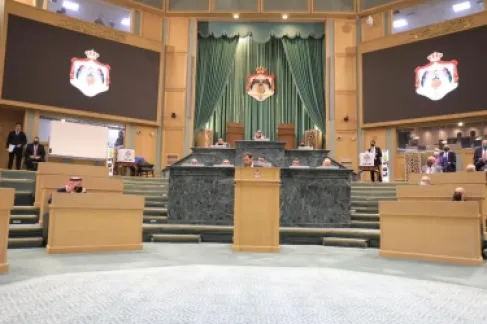
Khaberni - The parliamentary Energy and Mineral Wealth Committee chaired by MP Ayman Abu Henieh, on Wednesday, visited the Ministry of Energy and Mineral Resources to review the reality of the energy sector in the kingdom and discuss several related files.
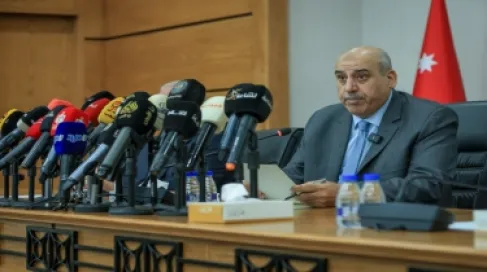
During the visit, the committee met with the Minister of Energy and Mineral Wealth Saleh Kharabsheh and the Secretary-General of the Ministry Amani Al-Azam, alongside various stakeholders, where a detailed presentation on the sector and the objectives of the National Energy Strategy for 2025–2035 was reviewed.
Abu Henieh appreciated the efforts made by the ministry in developing the sector, stating that it has contributed to enhancing energy supply security despite regional challenges, reducing costs, and supporting investments and economic growth.
He referred to a number of issues of interest to citizens and the business sector, notably reducing energy costs through the expansion of natural gas delivery to factories and companies, reevaluating electricity tariff slabs, and continuing the development of the Risha gas field, in addition to focusing on green hydrogen as a future energy source.
He also highlighted the ongoing cooperation with the ministry in passing legislations related to the gas and electricity sectors, including the Abu Khashiba agreement, in support of the national economy.
MPs Jamal Qumwa, Saleh Abu Tayeh, and Rakim Abu Henieh emphasized that the energy file remains a priority, stressing the necessity of reducing electricity tariffs in some areas, enhancing the utilization of renewable energy, addressing issues in electricity delivery in some residential clusters, and accelerating the development of the Risha field and increasing reliance on local sources.
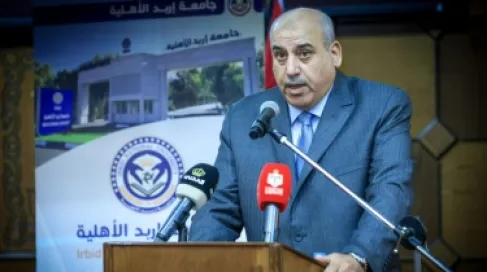
For his part, Kharabsheh stressed the importance of cooperation between the ministry and the parliament in achieving national interests.
He explained that the updated strategy for the energy sector (2025–2035) includes distinctive projects such as the development of the Risha field, green hydrogen, and renewable energy, aiming to diversify energy sources and increase reliance on local sources, particularly renewable, to exceed 30% of the energy mix by 2030.
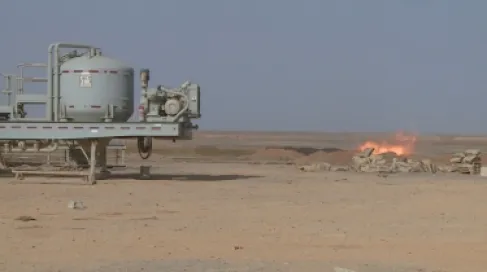
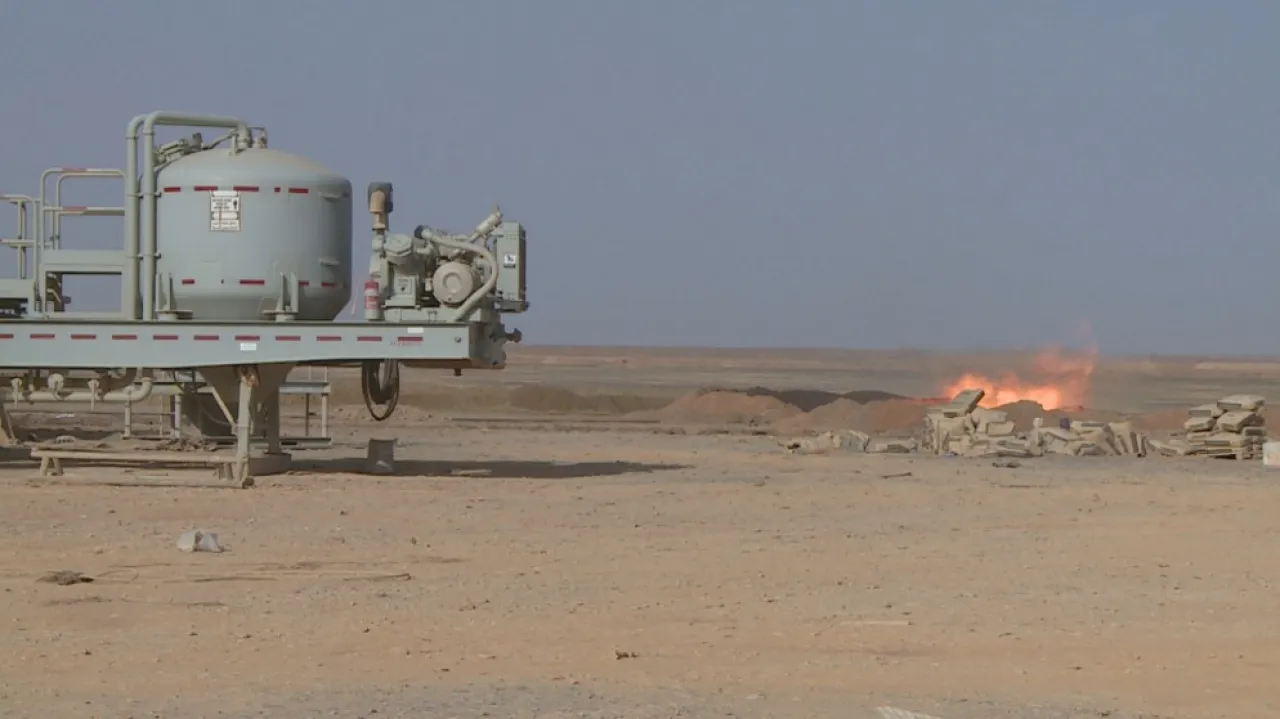
He noted that work is ongoing on drilling 80 new wells in the Risha field, with expectations of increasing production to 418 million cubic feet per day by 2029, concurrently with implementing a project to connect the field with the Arab Gas Pipeline.
He added that the ministry is working on expanding the use of natural gas, with plans to equip gas networks in Amman and Zarqa by 2030 and convert a large number of industries to operate on it to reduce costs and enhance competitiveness.
In the field of renewable energy, Kharabsheh mentioned that it currently accounts for 27% of the produced electricity, with plans to increase it to more than 30% by 2030, and eventually to 50% through projects under implementation that include generation and storage facilities.
He also pointed out that green hydrogen projects are expected to start production by 2030, as part of efforts to enhance sustainability in the energy sector.
Kharabsheh confirmed that prioritizing energy conservation is crucial, noting that the residential sector consumes about 49% of electricity, and that energy consumption in Jordan exceeds the global average by 25%, necessitating the promotion of conservation culture to improve efficiency and enhance energy security.