Khaberni - Researchers warn that a substance found in fish oil, commonly taken as a supplement to enhance brain function, may lead to opposite effects and slow down recovery after brain injuries.
The researchers studied mice suffering from traumatic brain injuries. They found that when these mice were given eicosapentaenoic acid (EPA), a major omega-3 fatty acid, their brains took longer to heal.
Researchers say more studies are needed to determine if something similar could happen to people taking these supplements.
The team wrote in the research paper published in Cell Reports: "These findings challenge the assumption that omega-3s provide consistent neuroprotection after brain injury".
Omega-3s are known to be a type of polyunsaturated fatty acids (PUFA). Generally, polyunsaturated fatty acids are essential, healthy fats that should be consumed regularly. They are linked to reduced inflammation, lowered blood pressure, and reduced accumulation of plaque in the arteries.
Specifically, omega-3s support brain health and are believed to help protect the brain from injuries and aid in speedy recovery.
However, according to experts, limited research has been done on the long-term effects of omega-3s after a brain injury. This is why they decided to study them themselves.
During the experiments, the team used mice that had experienced repeated traumatic brain injuries. However, these injuries were mild enough that the mice would have recovered without long-term harm under a standard controlled diet.
Then, some of the mice were given diets relatively rich in eicosapentaenoic acid (EPA) and docosahexaenoic acid (DHA), the other main omega-3 acid found in fish oil.
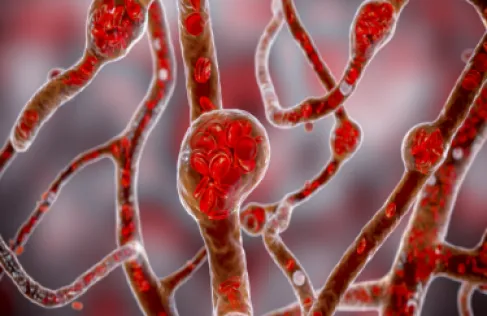
Before the injuries, the levels of eicosapentaenoic acid in the mice's brains remained stable. However, after the injury, the levels of eicosapentaenoic acid were significantly depleted. Moreover, the researchers found that eicosapentaenoic acid seems to impair the repair and reformation of blood vessels in the brains of mice after injury.
It appears that brain instability associated with eicosapentaenoic acid makes mice more prone to cognitive decline and the accumulation of abnormal tau protein, a protein linked to several brain disorders, including chronic traumatic encephalopathy (CTE), a degenerative condition caused by repeated traumatic brain injuries.
In the meantime, the levels of docosahexaenoic acid remained stable in the brains of the mice throughout the trials, and no potential harmful effects associated with it were observed.
The researchers also studied brain cells taken from people who had died from chronic traumatic encephalopathy. Once again, they found evidence suggesting that eicosapentaenoic acid, not docosahexaenoic acid, was linked to decreased healing.
The findings suggest that brain injuries can cause changes in the cells that may affect how the brain processes eicosapentaenoic acid. Therefore, eicosapentaenoic acid might harm the brain rather than help it heal.
The lead author of the study, Dr. Onder Albirama, associate professor at the Medical University of South Carolina, said in a statement issued by the university: "Fish oil supplements are everywhere, and people take them for various reasons, often without a clear understanding of their long-term effects. But from a neuroscience perspective, we still don't know whether the brain is resilient or resistant to this supplement. Hence, our study is the first of its kind in this field."
The team's findings are primarily based on mice, so they should be viewed with caution. Undoubtedly, more studies are needed to explore the long-term health effects of eicosapentaenoic acid supplements in humans, especially after brain injury. But certainly, it is work that needs to be done, as researchers say.
Albirama added: "I'm not saying that fish oil is inherently good or bad. What our data highlights is that biology depends on context. We need to understand how these supplements act in the body over time, rather than assuming the same effect applies to everyone."