Khaberni - A recent study found that a natural compound found in one of the common plants in spices may help protect the heart from diabetes-related damage, in addition to its known anti-inflammatory properties.
The lead researcher in the study, Swasti Rastogi, a PhD student at the Florida Institute of Technology, explained that curcumin (the natural compound that gives turmeric its distinctive yellow color) does not only play a role as a compound found in spices or an antioxidant, but also extends to improving blood sugar levels, reducing inflammation, and regulating cellular responses, in addition to maintaining the structure and function of the aorta in patients with type 1 diabetes.
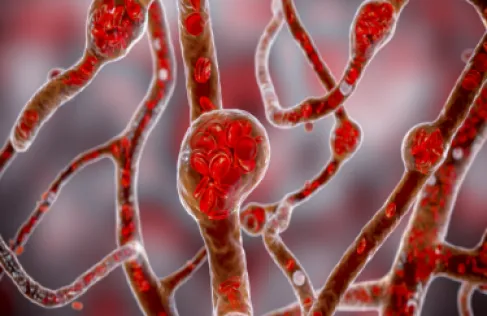
The study focuses on type 1 diabetes, which is a chronic autoimmune disease. Despite insulin treatment, patients often face the risk of heart disease at an early age, due to damage to blood vessels caused by elevated blood sugar levels.
The researchers used an animal model (mice) to simulate the disease, where they compared diabetic mice that received treatment with curcumin to those that did not receive treatment. After a month of treatment, the mice that received curcumin showed significant improvement in vascular health, reaching levels similar to those in non-diabetic mice.
The results also indicated that curcumin helped reduce inflammation, regulate the movement of calcium within the blood vessels, and restore balance to the heat shock protein 70 (HSP70), a critical protein adversely affected by diabetes. These combined changes suggest that curcumin may contribute to reducing the structural and functional changes that affect blood vessels over time, helping to maintain their elasticity and health and preventing heart disease.
However, the researchers emphasize that these results are still preliminary, and their application to humans requires further studies and clinical trials. They also point out that the benefits of curcumin are not achieved simply by consuming turmeric or dietary supplements, but require determining safe and effective doses, while considering potential interactions with other medications.
In the end, experts stress the importance of consulting a doctor before taking any dietary supplements.
The study results will be presented this week at the American Physiological Society's 2026 summit in Minneapolis (APS 2026), under the title: "Curcumin improves HSP70 protein level in type 1 diabetes patients and mitigates vascular dysfunction in the aorta".