Khaberni - Researchers have found that one of the most common food colorants in the United States and the world may affect the balance of gut bacteria, and may cause mild inflammation even when consumed within safe levels.
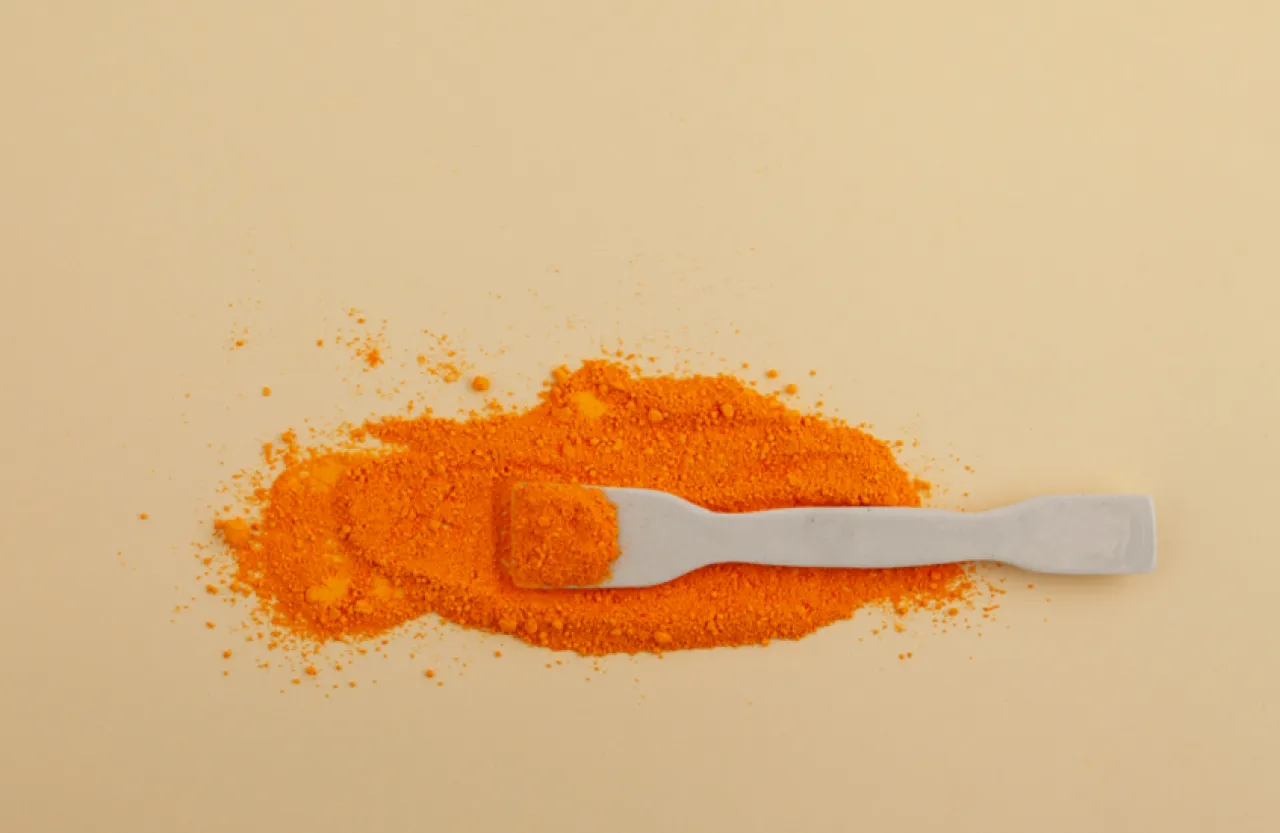
The food colorant "Tartrazine" is known as the dye responsible for the lemon yellow color in many food products, referred to as "Yellow 5" or "FD&C Yellow No. 5" in the United States. This colorant is present in a large number of everyday foods and beverages, such as sodas and flavored drinks, potato chips, chewing gum, and sweets like gelatin and pudding, as well as mustard, pickles, sauces, and flavored dairy products.
The researchers plan to present the results of this study at the American Physiology Society summit in 2026 in Minneapolis, in a scientific abstract titled: "Food dye 'Tartrazine' causes weight loss in male mice during early adulthood, associated with microbial imbalance".
The study showed that young mice exposed to levels equivalent to the "acceptable daily intake" of "Tartrazine" experienced significant changes in their gut microbiome, a community of bacteria that lives inside the digestive system and plays an important role in overall health.
In male mice, researchers observed an increase in types of bacteria associated with low-grade inflammation, alongside a lack of expected weight gain during the growth phase. Although the reason remains unclear, scientists suspect that a microbial imbalance may be behind these changes.
In female mice, there were also changes in the intestinal bacterial composition, with some species increasing and others decreasing. Although these changes do not seem directly harmful, the decreased microbial diversity might be an indicator of deteriorating gut health, since having multiple types of bacteria is usually a positive sign.
Dr. Ali Dogan Durson, the lead author of the study, said: "Any significant change in the gut microbial balance during the early stages of life, especially at levels considered safe, warrants attention".
He added: "The substance 'Tartrazine' can cause significant changes in intestinal microbes and physical growth patterns, even when consumed in doses currently considered safe by regulatory bodies. These results highlight the need for a reassessment of the long-term impact of common food additives on children's health".