Khaberni - The President of the International Maritime Organization, in a special interview with the "MS Now" network, warned that relying on military solutions to secure the Strait of Hormuz would not be long-term effective, considering that armed escalation in this vital region could complicate the situation instead of resolving it, and that true stability of navigation cannot be enforced through lethal force alone without political understandings that address the roots of the conflict.
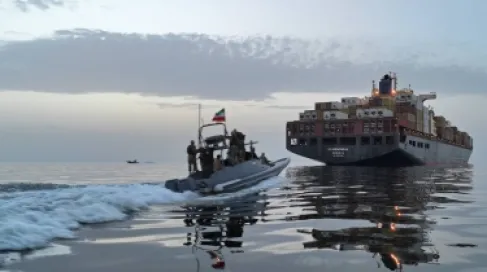
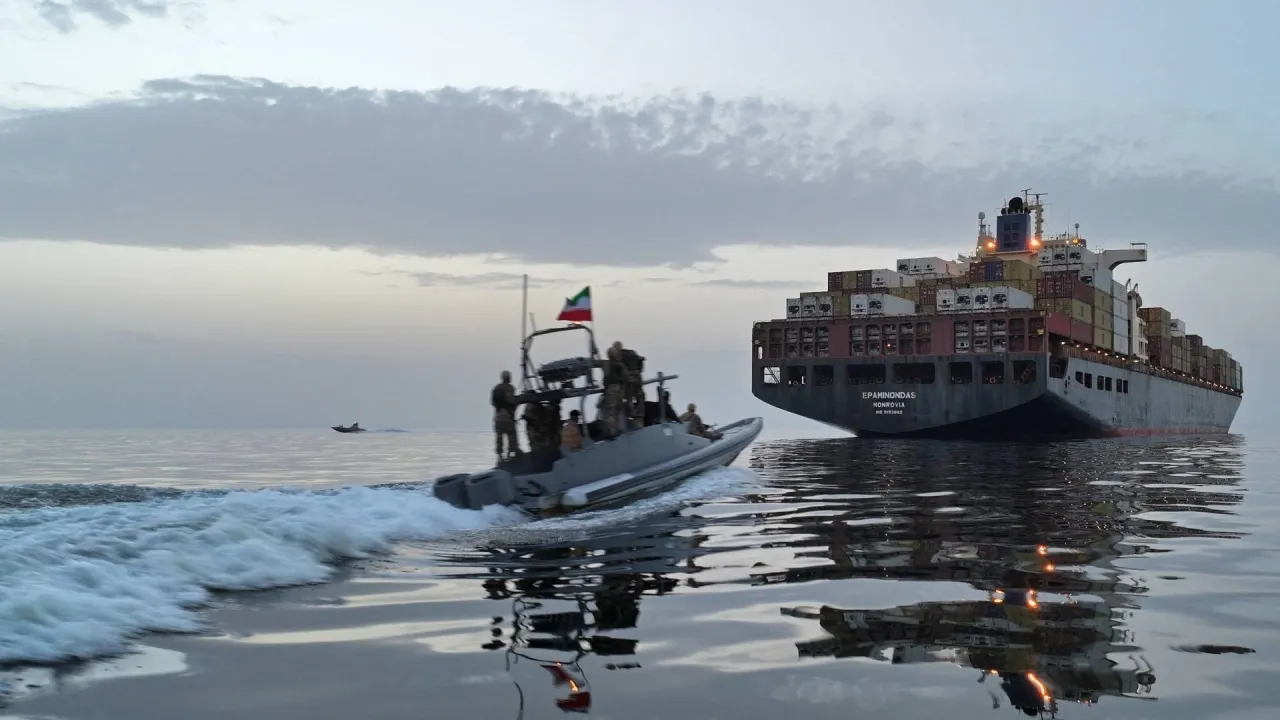
The international official clarified that the option of escorting commercial ships by warships, despite its apparent importance, will not defuse the danger or eliminate the possibility of targeting tankers, as commercial ships remain vulnerable to attacks in a narrow waterway where it is difficult to provide full protection for every navigation unit, making this solution a temporary measure that does not live up to the international ambition to guarantee freedom of passage.
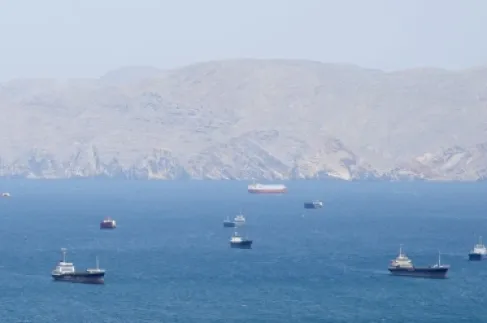
In terms of numbers, the President of the organization disclosed a logistical and humanitarian disaster affecting the maritime sector, where currently about 20,000 sailors and 2,000 commercial ships are in a state of "total paralysis" due to the closure of the Strait of Hormuz, representing a massive disruption to global supply chains and putting the lives of workers at sea between the hammer of waiting and the anvil of escalating security threats.
He also alerted that the repercussions of these disturbances in the Strait of Hormuz could extend for a very long period, and that the consequences of this crisis will not end with the mere cessation of military conflict sources, but the maritime transport sector will need a long time to regain its confidence in this international route and reschedule the shipping lines that have been totally disrupted by this closure.
The President of the organization expressed his concern about the transformation of the Strait of Hormuz into a perennially tense area, which will increase the cost of marine insurance and consequently lead to sharp rises in global prices of goods and energy, confirming that the economic damage has already begun to seep into all continental markets due to the uncertainty surrounding the fate of the stranded ships and the expected timeframes for the crisis resolution.
In concluding his statements to "MS Now", the international official called on all parties to prioritize the language of international maritime law and to spare commercial navigation from political polarizations, emphasizing that the protection of sailors and ensuring the safety of ships should be above all considerations to avoid a comprehensive economic disaster that could affect global stability for years to come.