Khaberni - After the first phase proved successful in alleviating pressure on the emergency departments at Al-Bashir Hospital, the Ministry of Health announced the launch of the second phase of its development plan, this time in Zarqa Governorate, in a move that reflects a practical approach to generalizing the experience across the kingdom.
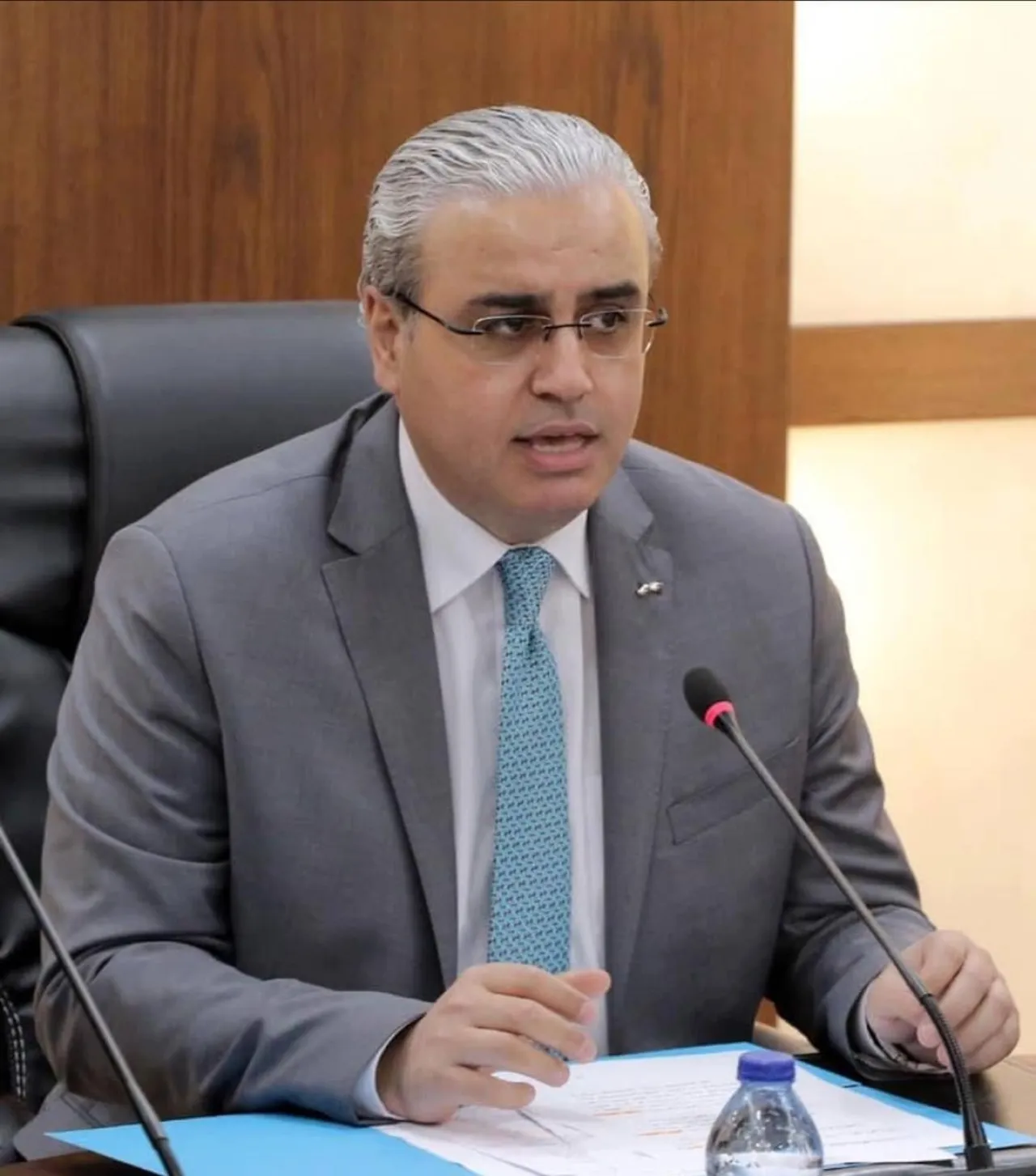
Health Minister Dr. Ibrahim Al-Badour confirmed the positive outcomes achieved in Amman, in terms of the number of people who visited health centers during evening hours and in terms of reducing congestion and speeding up service delivery, were a direct motivation for expansion, noting that the new phase will begin from the second of May, by activating evening hours in 5 comprehensive health centers surrounding both Zarqa Government Hospital and Prince Faisal Government Hospital in Russeifa.
The centers include: Zarqa Comprehensive Health Center, Hashmiya Housing Comprehensive Health Center, Wadi Al-Hajar Comprehensive Health Center, Al-Masharefa Comprehensive Health Center, and Al-Rasheed Comprehensive Health Center, where they will start receiving patients for an evening period from 4 PM until 10 PM.
Al-Badour clarified that the data showed that the emergency departments at Zarqa Government Hospital and Prince Faisal Government Hospital receive about 2200 visitors daily, with the highest percentage during the evening period at approximately 70%, indicating that the majority of these cases are classified as simple cases that can be dealt with at health centers.
He added that these indicators formed a basis for directing healthcare service to the nearest point to the citizen, in alignment with their needs and timing of their visits.
He pointed out that the first phase in Amman targeted areas surrounding Al-Bashir Hospital, which is home to about two million people, whereas the current phase will cover the Zarqa Governorate, which has a population of about 1.8 million people.
Al-Badour affirmed that the service at these centers will be comprehensive; services being provided will include family and emergency medicine, radiology and laboratory services, up to the dispensing of daily and monthly treatments, which means reducing the need to go to the hospital, and saving time and effort for patients.
He emphasized that the goal is not only to alleviate pressure but also to "reorganize the patient's journey," so that every visitor receives the appropriate service in the right place, which directly reflects on the quality of care and the speed of response to critical cases.
Moreover, Al-Badour directed to enhance the provision of medications in the five centers and expand the doctors' authority to prescribe treatments, especially for chronic diseases, to ensure the continuity of service efficiently.
He called on the residents of Zarqa to take advantage of this opportunity, and head to the health centers in the evening for simple cases or to collect their medications, instead of waiting long in emergency departments or in the morning hours at the same centers.
Regarding the application of the experience in the rest of the Kingdom's governorates, the minister said: The message is clear: what succeeded in Amman, starts today in Zarqa… and the expansion plan continues.