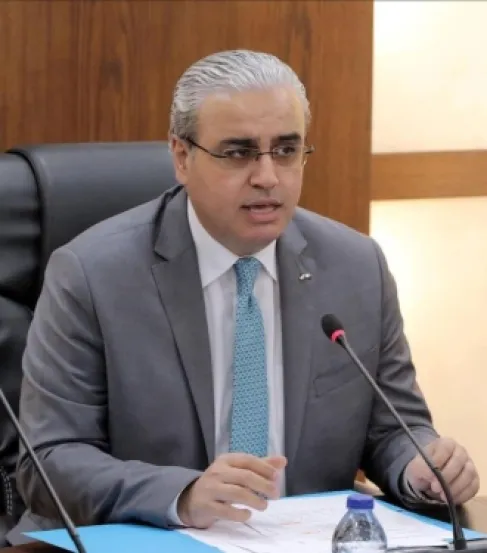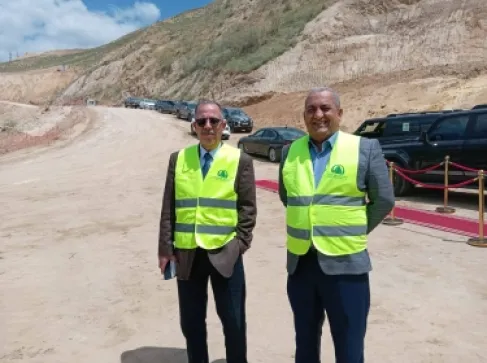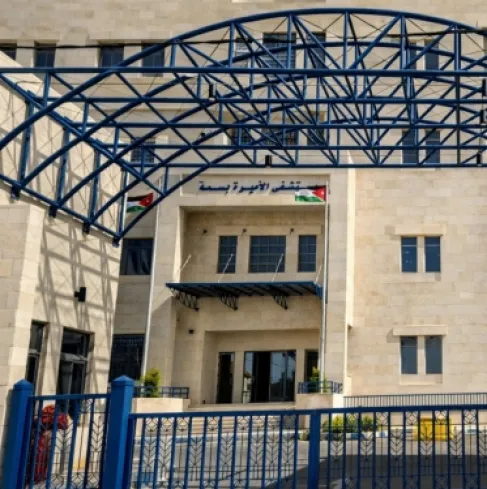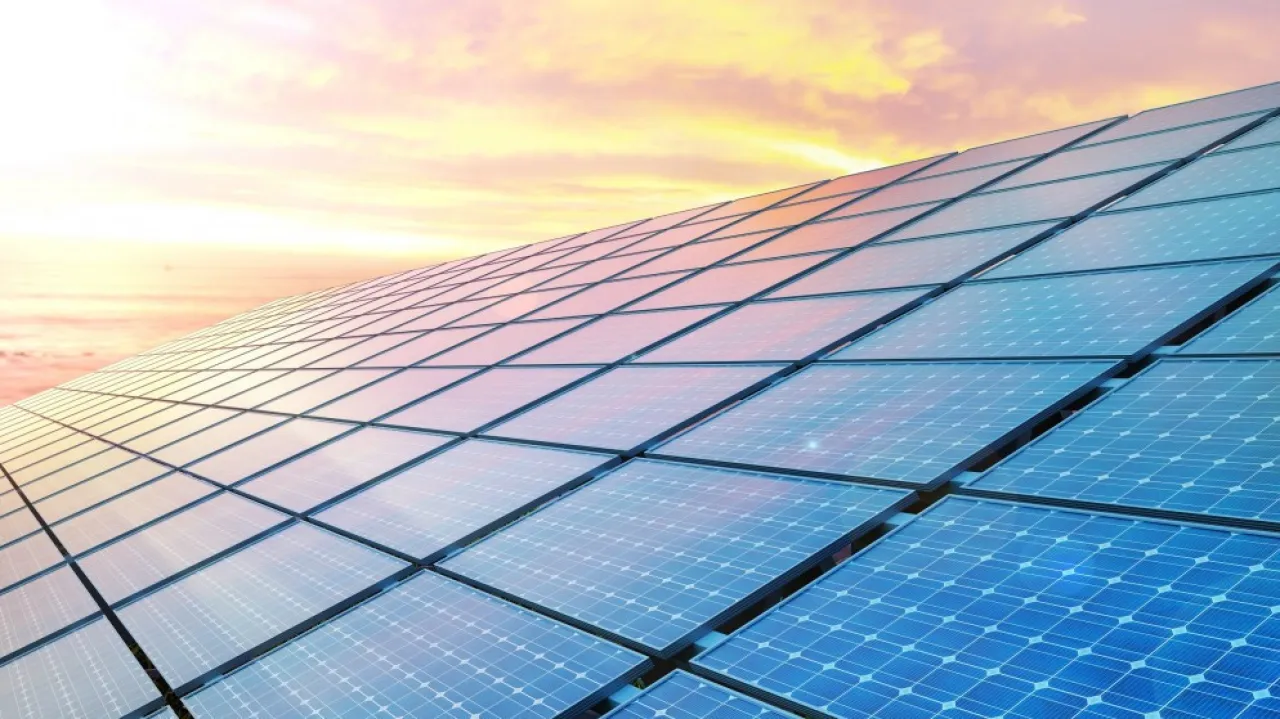
Khaberni - The Minister of Energy and Mineral Resources, Saleh Kharabsheh, launched on Monday the second phase of the photovoltaic solar energy systems project for municipal buildings in the kingdom, which is being implemented by the Renewable Energy and Energy Efficiency Fund in cooperation with the Ministry of Environment and Italian Energy Security, in the presence of the Deputy Governor of Irbid and a number of mayors.
Kharabsheh stated during the launching ceremony that the project is part of the implementation of the national strategy for the energy sector, which aims to transform the challenges of dependence on energy imports into economic opportunities through the expansion of local energy sources, especially renewable energy.
Kharabsheh mentioned that Jordan has succeeded in increasing the contribution of renewable energy in electricity generation to about 27%, with efforts ongoing to increase it to 31% by 2030, and ultimately reaching 40%, noting the existence of scenarios aiming for a 50% ratio.
He explained that the project represents a qualitative step towards supporting the kingdom's direction in reducing energy costs and enhancing environmental sustainability, by reducing the electricity bills for municipalities and improving energy usage efficiency in this vital sector.
On his part, the Executive Director of the Renewable Energy and Energy Efficiency Fund, Rasmi Hamza, said that the total cost of the project amounts to about 3.4 million Jordanian dinars with funding reaching up to 90% from the Ministry of Environment and Italian Energy Security, while the fund contributes 10%.
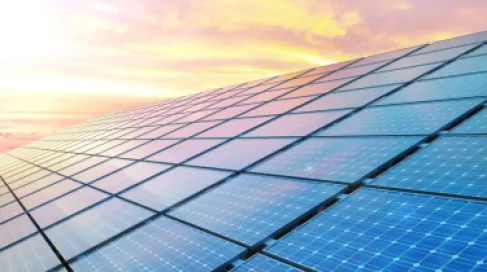
Hamza added that the project targets more than 100 municipalities, through installing solar energy systems for about 188 buildings, indicating that more than 200 systems will be implemented with a total capacity reaching about 3.4 megawatts.
He indicated that the project will achieve an annual saving estimated at about 1400 megawatt-hours, saving roughly 550,000 US dollars annually, in addition to reducing carbon dioxide emissions by about 3838 tons annually, which enhances the kingdom's efforts in achieving environmental sustainability.
The project is part of the national efforts to enhance energy efficiency usage in the municipal sector and to expand reliance on renewable energy sources, which positively reflects on the level of services provided to citizens, and embodies the depth of the partnership between Jordan and Italy in the energy sector and support for the path of sustainable development.