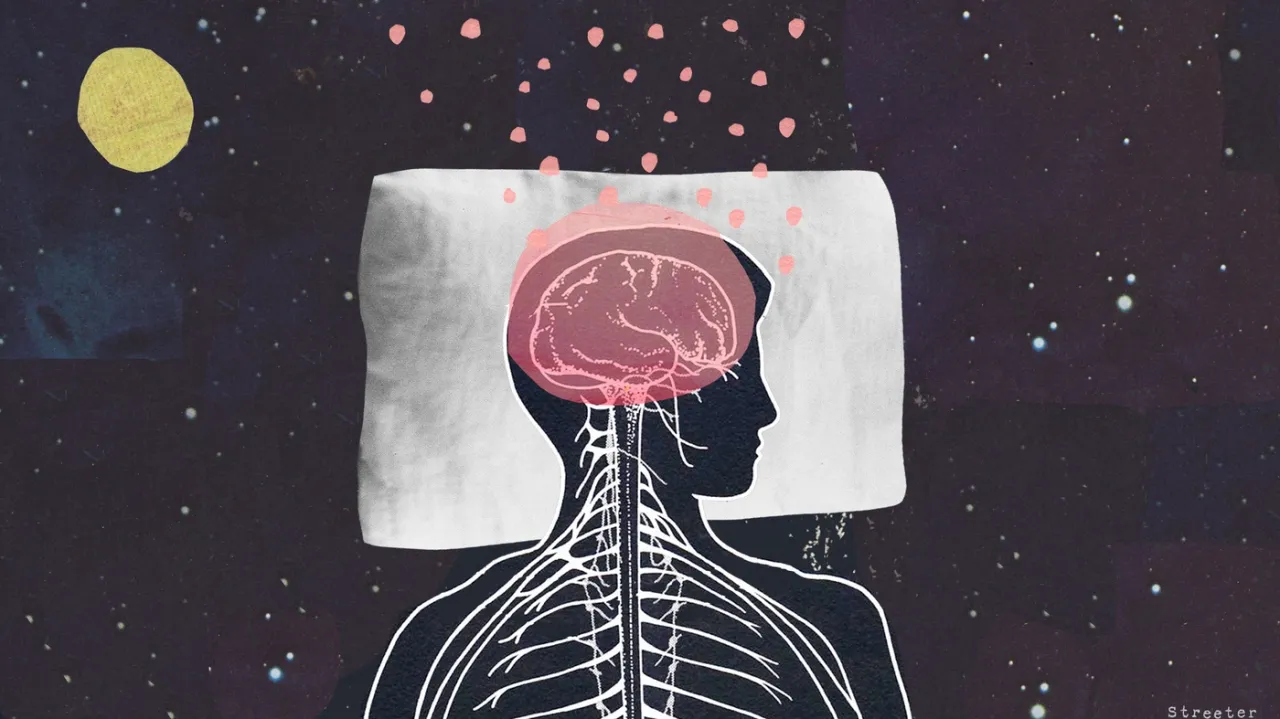
Khaberni - Sleep is not just a state of physical rest, but a very active time for the brain, involving many complex processes that impact memory, emotions, and overall mental health.
Although we may seem “unconscious” during sleep, the mind remains highly efficient in a quiet and organized background.
What happens to the brain at the beginning of sleep?
As you begin to prepare for sleep, the brain gradually starts to decrease its activity related to consciousness and attention. Neural waves slow down, and the body transitions from activity to relaxation.
In this stage:
• Heart rate decreases
• Muscles gradually relax
• The mind begins to move away from intense logical thinking
This step represents the gateway to true sleep.
Different sleep stages
Sleep is not a single stage, but consists of several stages that repeat throughout the night. The most important include:
1. Light sleep
In this stage, the brain is between wakefulness and sleep, and you can be easily awakened. The body begins to relax, but the mind remains partially active.
2. Deep sleep
Here, the body begins actual repair. The brain further reduces its activity, and important processes occur such as:
• Cell repair
• Strengthening of the immune system
• Secretion of growth hormones
This stage is essential for feeling refreshed upon waking.
3. Dream stage (REM)
In this stage, the brain becomes very active despite the body being nearly paralyzed. This is primarily when dreams occur.
During this stage:
• The brain processes emotions
• It reorganizes memories
• It connects new information with old information
Why do we dream?
Dreams are not just random images; scientists believe they are a means used by the brain to organize information and daily experiences.
Dreams can help:
• Process stress and psychological pressures
• Consolidate important memories
• Rearrange thoughts and emotions
Therefore, you may wake up feeling like you have solved a problem you had been thinking about a lot, because the brain has been working on it during sleep.
The role of sleep in memory and learning
Sleep plays a fundamental role in consolidating information. During sleep, the brain transfers information from short-term memory to long-term memory.
In other words:
• What you learn during the day is “stored” during sleep
• Lack of sleep negatively affects concentration and recall
For this reason, good sleep is very important for students and anyone who needs strong mental performance.
How does the brain deal with emotions during sleep?
Sleep, especially the dream stage, helps the brain regulate emotions. When you go through a difficult experience or stressful situation, the brain during sleep attempts to “process” these emotions.
This explains why: