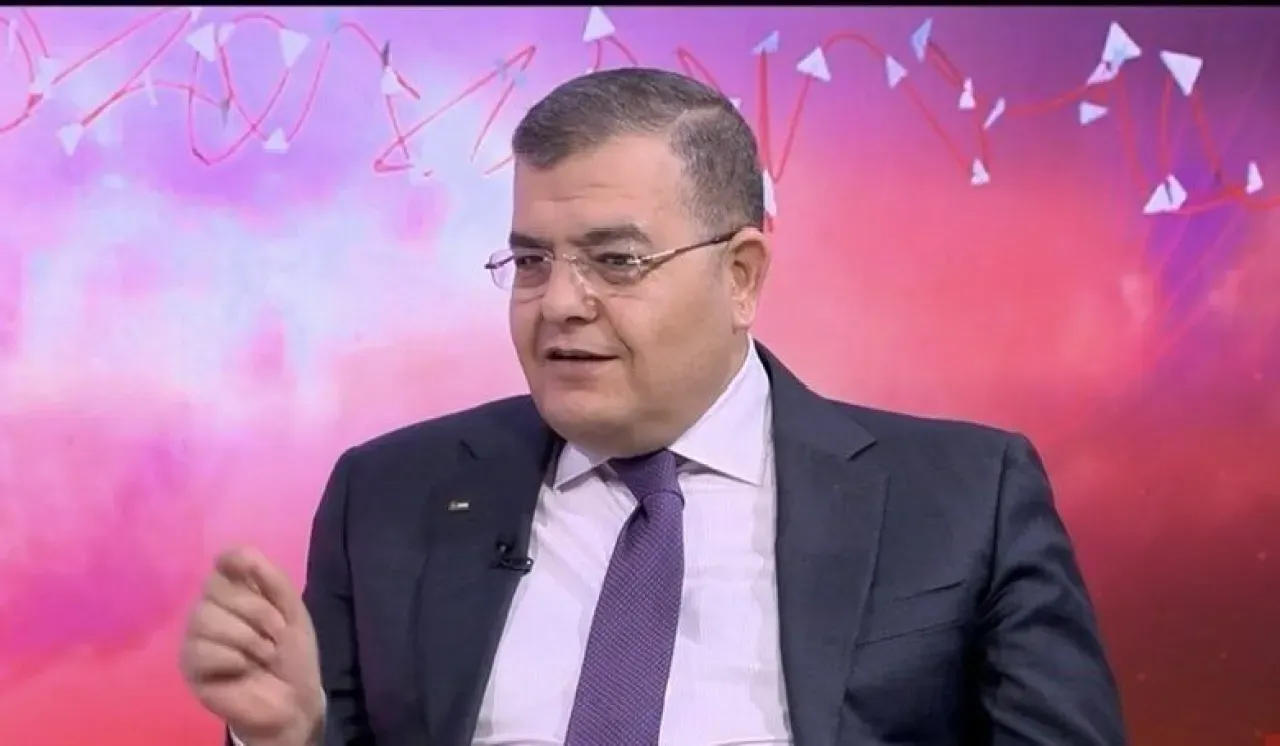
Jordanians in their gatherings, meetings, and events at the palaces and villages love to reminisce about the past, considering that life was more beautiful, or that democracy was a professional political craft and not teenage politics, or seeking interests that do not measure up to the nation, or the king’s directives and efforts to build a modern state. Consequently, the Jordanian government appointed a seventies-era individual with a PhD in history to lead an academy responsible for developing the public sector using future technologies. In Jordan, artificial intelligence is used to revive history and breathe life into administrative leadership through a prestigious past, not through modern management theories and skills.
In Jordan, you don’t need a degree in entrepreneurship and innovation or specialized leadership as much as knowing who to recommend to the decision maker, who then makes the appointments, as positions are distributed like coffee in a long mourning house. The story is not one of a new academy or modernization or digitization. Instead, it's an academy for management born dead reformatively but alive in terms of favor-exchange. There is no clearer evidence of this than the appointment of a seventies-era historian to manage an institution striving for leadership in future technologies, a formal acknowledgment of the failure of the public sector modernization project, which has turned into a mere employment company for the mobile elite.
The government, while promoting the modernization of the public sector, decided to manage the future with a mind dripping with beautiful history. It tells us that the academy was established to train employees to embed artificial intelligence in the governmental soil and to produce a generation that understands digital transformation, then appoints a historical figure to its head. History is important, but it's not suitable to lead the battle of algorithms unless the purpose is to have the historian narrate how the future was lost before we could reach it.
It's not just a matter of age or degrees but the logic which tells the citizen: "Be quiet, we know what we're doing, and all you need to do is pay taxes to fund our decisions." Here, modernization becomes mere decoration, and we love decoration, whether institutions or individuals, and artificial intelligence a historical picture hung on the wall, and digital transformation a slogan shining in conferences then melting upon application.
Because we are in a country that likes to smile while receiving a slap, we now have what resembles an economy of appeasements; a position here, a body there, an academy here, and a board of trustees there -- the result is always the same: inflating the structure, enlarging the chairs, and dressing up failure with a new administrative coat. If a project stumbles, no problem, we change its name. If an institute fails, we transform it into an academy. If the circle becomes cramped, we add a ministerial rank and salary. And they want you to believe that the right man was put in the right place while the street sees that the right place was made for the right man. A small difference in wording, big in meaning, and painful in outcome.
And the sad funny part is that the government knows that people understand the game of chairs very well, and yet it repeats it shamelessly. As if it's saying: "Yes, we know the decision is disdainful, but we will proceed because the noise will subside, the memory is short, and the shadow is long." And this is exactly why anger is justified: not just because the appointment is wrong, but because the mistake has become a habit, objection has become marginal, and becoming accustomed to provocation has become public policy.
In the end, Jordanians do not need a new academy as much as they need a state that respects the minds of its people. A state that selects based on competence, not connections; based on ability, not shadow; and based on accomplishments, not recycling. If we continue to manage the future with a mentality of distributing spoils, we will discover too late that we built many academies, but we did not build a single respect for intellect. And then artificial intelligence will not help us because the first thing it will fail in is understanding this type of governmental wisdom: If you want to be rewarded, connect with the right network.
And when the citizen asks: "Who is accountable?" The usual answer comes: No one, because the scene is perfectly controlled, the director is satisfied, the actors know their roles, and the audience is only asked to applaud a lot.
This country, venerable in history and solid in leadership, we owe allegiance to and draw from its leadership the meaning of determination. A country not built with silence, nor does it continue with applause, but with accountability that preserves its dignity, with justice that maintains its balance, and with responsibility that embodies the leader’s trust in his people and the people’s trust in their state.
This country is not just a place we reside in but a covenant that resides in us; we breathe its dignity with every breath, and we live for it before we live in it.