Khaberni - The murder of the Israeli youth Benjamin Zalka reveals a deeper aspect of an escalating security crisis within Israel, in a security file led by the extremist minister Itamar Ben-Gvir.
Israelis see the Zalka incident not as isolated, but as part of an unprecedented wave of violence hitting various cities and communities in Israel.
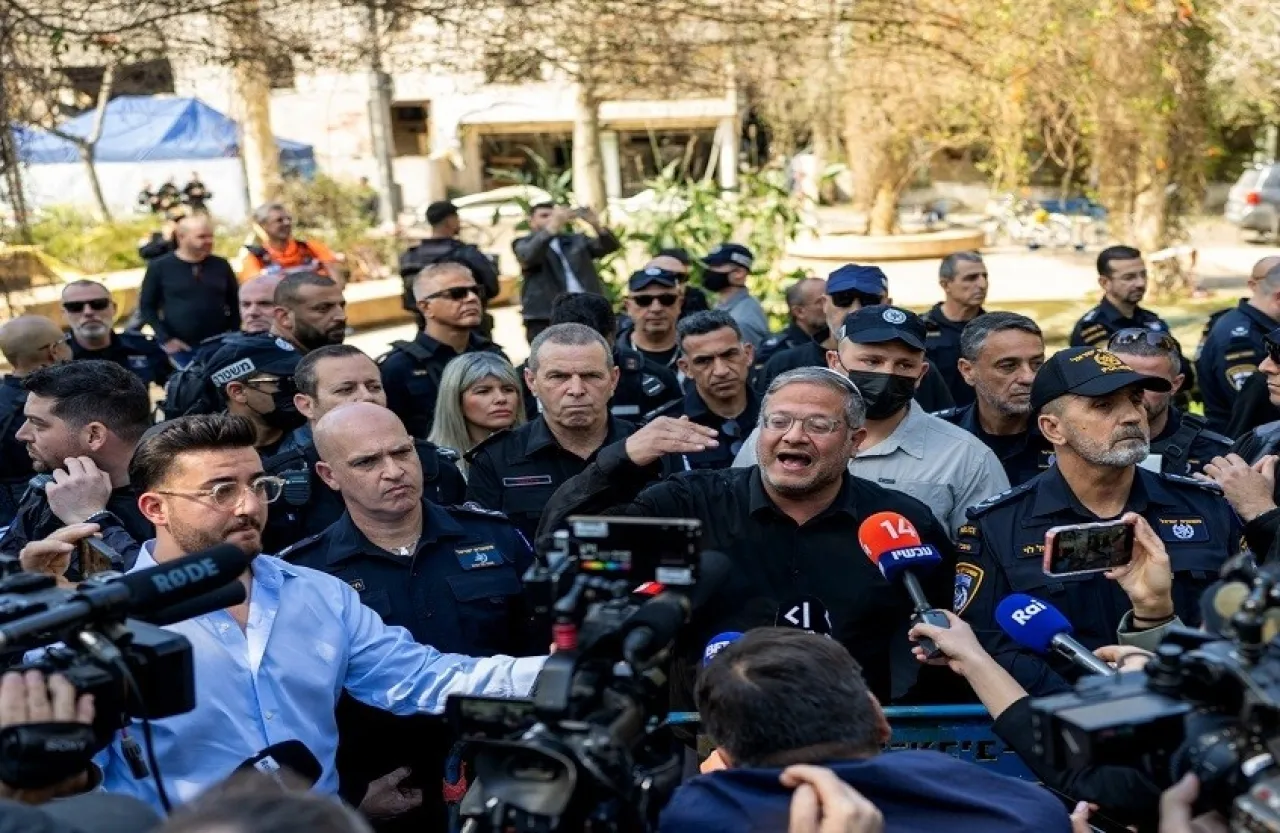
At the crime scene, hundreds of protesters emerged who blamed Ben Gvir's police for "negligence," in a scene reflecting the erosion of trust in the security institutions.
While Ben Gvir said that "it is impossible to station a policeman on every street," critics view these statements as reflecting incapacity, especially with the increase in crimes and their occurrence in broad daylight.
The recent developments in Israel show a clear divergence in how the authorities handle crime, as public anger escalates after a stabbing incident in Petah Tikva in which a Jewish youth was killed, compared to the ongoing official "indifference" towards the continuous wave of killings in the Arab Palestinian community inside the 1948 territories.
While the security agencies were mobilized and the crime in Petah Tikva dominated the political and media discourse, murders continue at a high rate in Arab towns inhabited by Palestinians, without prompt investigations or significant arrests in many cases.
Data indicate that dozens of victims have fallen since the beginning of the year in Arab towns, amid repeated accusations of police negligence in dealing with organized crime and allowing the spread of illegal firearms unchecked.
Observers note that the speed of security response and political engagement tends to be for cases where the victims are Jewish, in contrast to the slowness or almost complete absence in cases where the victims are Arabs.
Leaked police data indicate a dangerous upward trend with a 45% increase in sexual crimes within one year and an 18% rise in murders and attempts, recording unprecedented numbers of fatalities, especially within the Arab Palestinian community.
These figures highlight the widening scope of violence, which is no longer confined to specific areas but has spread to major urban centers including Tel Aviv, Jerusalem, and Haifa.
Most concerning, according to the data, is the unprecedented escalation in murders within the Arab community, with dozens of victims recorded since the beginning of the year.
The deterioration in security is not limited to criminal activity alone but also extends to instances of community and religious violence, such as in Beit Shemesh, where an extremist group attacked a soldier's home and threatened to burn it, indicating the rise of phenomena of societal breakdown.
Data analysis reveals that central Tel Aviv leads in crime rates, while neighborhoods in Beersheba, Haifa, and Jerusalem are experiencing a sharp increase in violence, with some areas having doubled in burglary and assaults within one year.
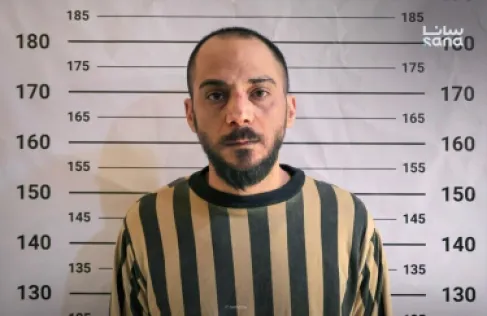
The delay of the police in arresting suspects, despite their names being circulated, as in the Petah Tikva crime, deepens the sense of a security collapse. Observers confirm that the issue is not only the number of crimes but the general feeling of insecurity.
These developments indicate that Israel is facing an escalating internal security crisis, intersecting organized crime, community violence, and national tensions, amidst a clear inability to contain the phenomenon.
With this trend continuing, Israel appears to be facing an unprecedented internal challenge, where threats are no longer limited to external fronts but are exploding from within the street itself.