Khaberni - The global oil market is facing a new phase of pressures as the disruption of navigation through the Strait of Hormuz continues, as the consequences of the American-Israeli war on Iran are no longer confined to rising prices, but have begun to impact the future of global demand for crude and oil products.
Estimates from traders and energy institutions, reported by Bloomberg and Reuters, indicate that the ongoing disruption in supplies may lead to a decline in global consumption, not due to a voluntary shift in energy use patterns, but as a result of rising prices, some product shortages, and a slowdown in economic activity in the transportation, industrial, and aviation sectors.
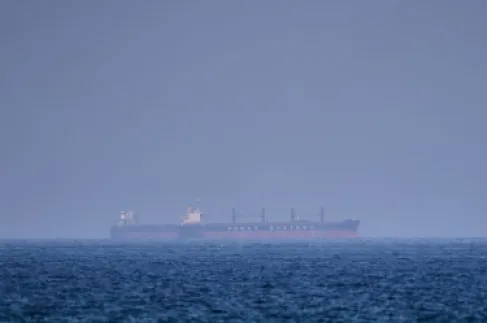
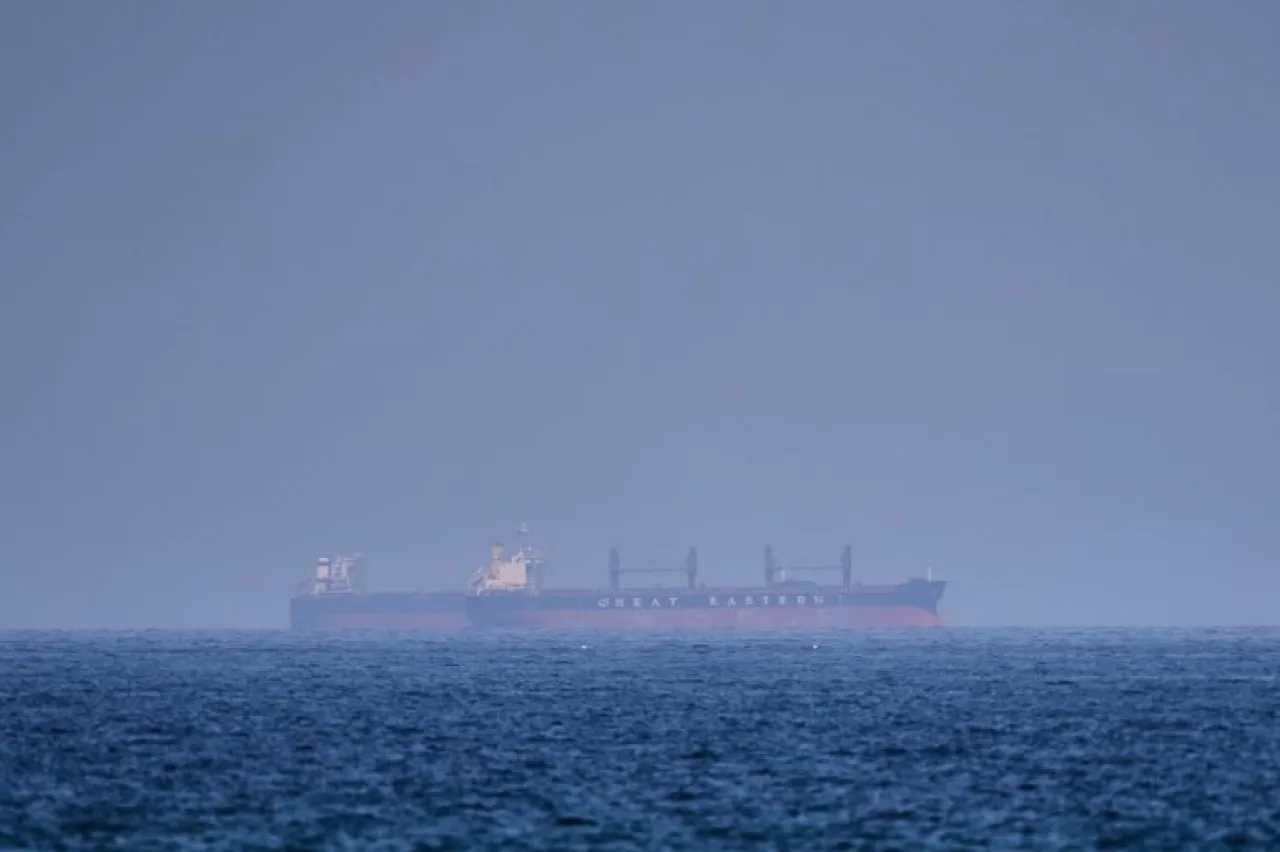
Before the war, the Strait of Hormuz handled about one-fifth of the global oil flow, yet navigation through it remains effectively blocked as tensions continue and efforts to reopen it safely and sustainably are hindered.
Oil prices recorded strong weekly gains despite mixed closing of Friday's session, with Brent crude settling at $105.33 per barrel, up 0.3%, while West Texas Intermediate crude in the U.S. fell to $94.40 per barrel. Over the past week, Brent rose about 16%, and the U.S. crude increased by 13%.
Supply Pressure
The pricing movement reflects a sharp anticipation in the market between the possibility of continued supply disruptions on one hand, and the potential resumption of talks between the United States and Iran on the other.
Reuters reported that prices gave up some of their gains following news of diplomatic moves that included the arrival of Iranian Foreign Minister Abbas Araghchi in Islamabad to discuss proposals to resume war cessation talks, along with reports of U.S. President Donald Trump sending his special envoy Steve Witkoff and his son-in-law Jared Kushner to Pakistan to conduct talks with the Iranian Foreign Minister.
However, these movements have not dispelled the underlying concerns in the market, as shipping data showed that only five ships, including an Iranian oil product tanker, crossed the Strait of Hormuz within 24 hours, indicating a continuation of congestion in one of the most important energy corridors in the world.
Concerns have increased after Iran released footage of special forces boarding a cargo ship in the strait, highlighting the difficulty of restoring normal navigation amidst ongoing military and political confrontations.
The danger of the crisis lies not only in the rise of crude prices but in the possibility that the market will move to a stage where demand must decrease to align with the available supplies, especially if consuming countries continue to rely on reserves to offset the shortage.
Weaker Demand
Bloomberg says that the impact of the closure began in less visible consumer sectors, such as petrochemicals in Asia and some shipments of liquefied petroleum gas, before gradually moving to markets more connected to everyday life such as gasoline, diesel, and aviation fuel.
Estimates reported by the agency indicate that global oil demand is heading to record the largest monthly drop in 5 years, while traders believe the loss in demand could reach several million barrels per day if the crisis lasts longer.
This does not mean that consumers and companies have voluntarily given up oil; rather, rising prices and product shortages are leading to reduced trips, decreased operation of some factories, reduced transportation activity, and recalculated production and distribution costs.
Diesel is one of the most sensitive products at this stage, used in operating trucks, heavy machinery, agriculture, construction, and supply chains. If pressures on diesel broaden, the decline in demand could become an indicator of a deeper economic slowdown, not higher efficiency in energy consumption.
In the aviation sector, companies in Asia, Europe, and the United States have started to reduce some flights or adjust expansion plans due to rising fuel costs and the uncertainty of supplies, introducing a new channel through which oil impacts tourism, air freight, and related services.
Inflationary Impact
The war has also exacerbated inflation pressures in energy-consuming economies, as a University of Michigan survey showed U.S. consumer confidence fell to an unprecedented low in April after concerns about inflation increased due to the war on Iran inflation.
The director of consumer surveys at the university, Joan Hsu, said the conflict in Iran mainly affects consumer opinions through shocks in gasoline prices and possibly the prices of other materials, stating that military and diplomatic developments are unlikely to improve consumer conditions unless supply restrictions are eased or energy prices are reduced.
U.S. consumer inflation expectations for the next year rose to 4.7% in April from 3.8% in March, and their expectations for the next five years increased to 3.5% from 3.2%.
This increases the likelihood that rising energy costs will put pressure on consumption in other sectors, as households spend a larger portion of their income on fuel, electricity, transportation, and basic goods, which reduces their ability to spend on discretionary items.
Italian group Eni said that the impacts of the war on Iran in energy prices will be larger and more sustainable than currently believed, and raised its estimates for Brent crude price in 2026 from $70 per barrel to $83 per barrel.
The group also raised its gas price forecasts in Europe to 50 euros ($58.52) per megawatt-hour, up from 36 euros ($42.13) previously, indicating that the impact of the crisis extends to the broader energy system, not just oil.
Conditional Recovery
However, reopening the Strait of Hormuz does not mean that the oil market will immediately return to its previous levels, as recovery depends on the safety of the infrastructure, the availability of tankers, and the producers' ability to efficiently restart the fields.
Goldman Sachs estimated that oil production in the Gulf region could largely recover within a few months of fully reopening the strait, but warned that recovery could take longer if the closure extends.
The bank estimated that about 14.5 million barrels per day of crude oil production in the Gulf, approximately 57% of pre-war supplies, stopped in April, attributing this largely to precautionary closures and inventory management, not to physical damage to the fields.
But the return to production will remain constrained by logistical aspects and well performance, as the available capacity of empty tankers in the Gulf has decreased by about 130 million barrels, or 50%, limiting producers' ability to transport oil immediately upon resumption of exports.
Also, long-term well closures may reduce flow rates, especially in low-pressure basins, and increase the need for maintenance before full production can be restored, according to Bloomberg.
Goldman Sachs estimates suggest that Gulf producers could recover about 70% of the lost production within 3 months, and about 88% within 6 months, with Saudi Arabia and the UAE likely recovering faster than Iran and Iraq.