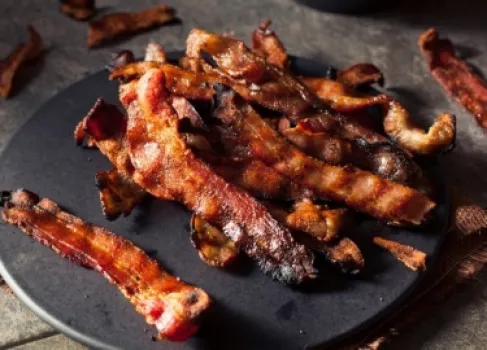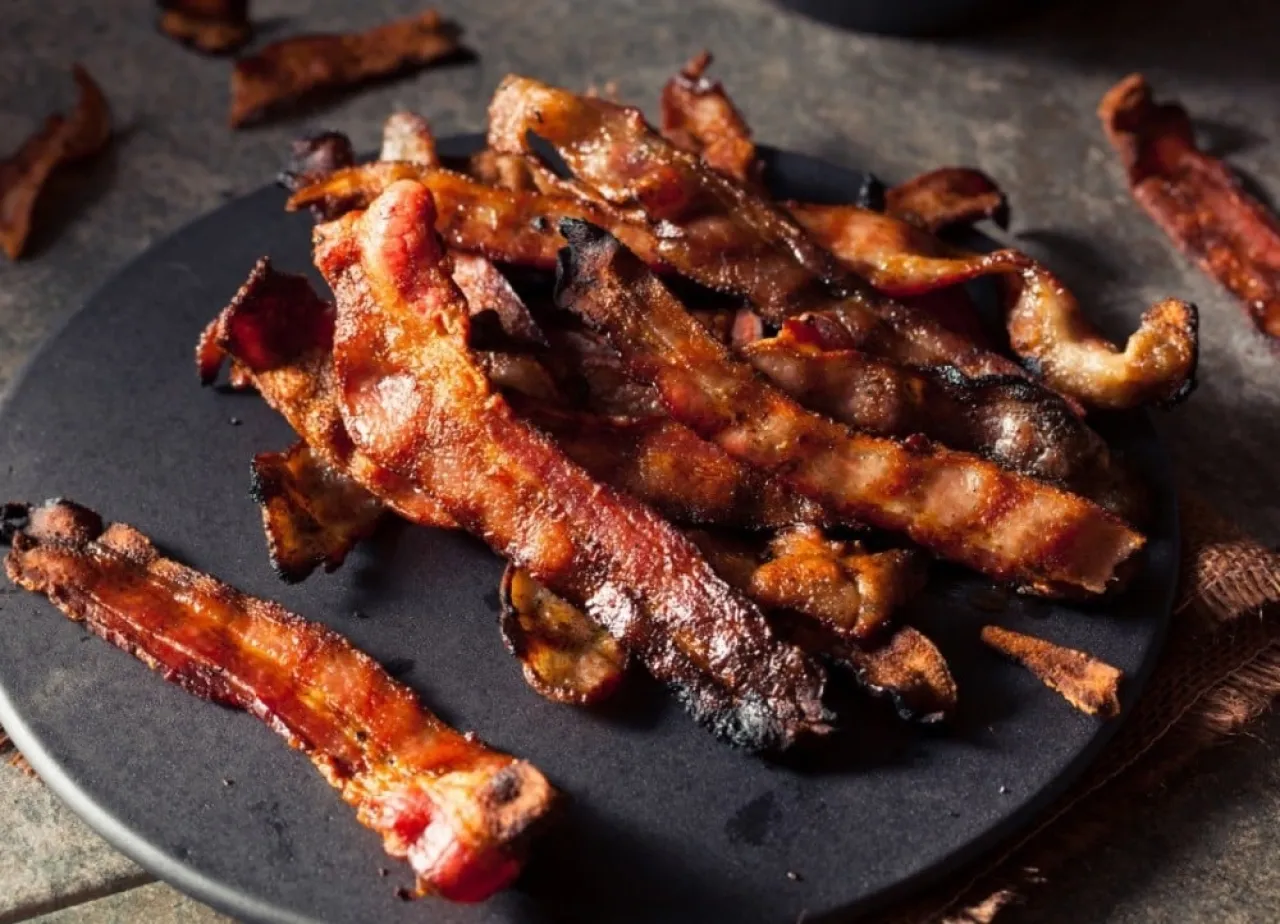
Khaberni - Dried meats, which are popular across social media platforms as a protein-rich snack, have faced sharp criticism from nutrition experts, warning against being deceived by marketing that portrays them as an absolute healthy alternative, highlighting the risks associated with salts and preservatives.
Protein Versus Calories
Nicole Lund, a nutrition specialist at New York University, told "The New York Times" that the selling power of these products lies in offering a substantial amount of protein for a low number of calories; some varieties provide about 12 grams of protein for only 130 calories.
Lund considered that this type of snack could be beneficial for people who need to increase their muscle mass or the elderly who suffer from protein deficiency, as well as being a good source of iron.
"The Sodium and Cancer Trap"
In contrast, academics from Harvard University have sounded the alarm about the invisible ingredients in dried meats. Dr. Steven De Vries noted that some types contain 750 milligrams of sodium per serving, which is equivalent to one-third of the maximum daily allowable limit, posing a risk of high blood pressure and heart diseases.
Experts also recalled the classification by the World Health Organization of processed meats, including dried meats, as carcinogens to humans, stating that consuming small amounts daily increases the likelihood of colon cancer and type 2 diabetes. They also warned about the presence of "nitrates" used for preservation, which may transform inside the body into chemical compounds that raise the risk of cancer.
The report concluded that dried meats, although an appealing choice for their portability, are not suitable for daily consumption.
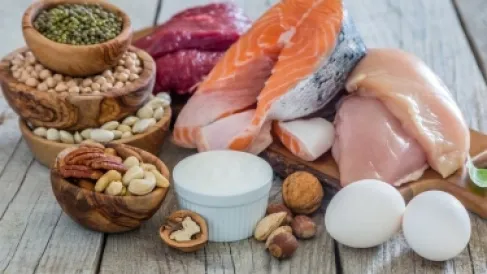
Experts called for replacing them with safer protein alternatives richer in fiber, such as Greek yogurt, nuts, and roasted chickpeas, to ensure the nutritional benefits without the risks associated with processed meats.