Khaberni - The U.S. military has significantly depleted its stock of main missiles during the war with Iran, creating an "imminent danger" of running out of ammunition in the event of a future conflict in the coming few years, according to experts and three sources familiar with the latest U.S. Department of Defense internal assessments of the stockpile.
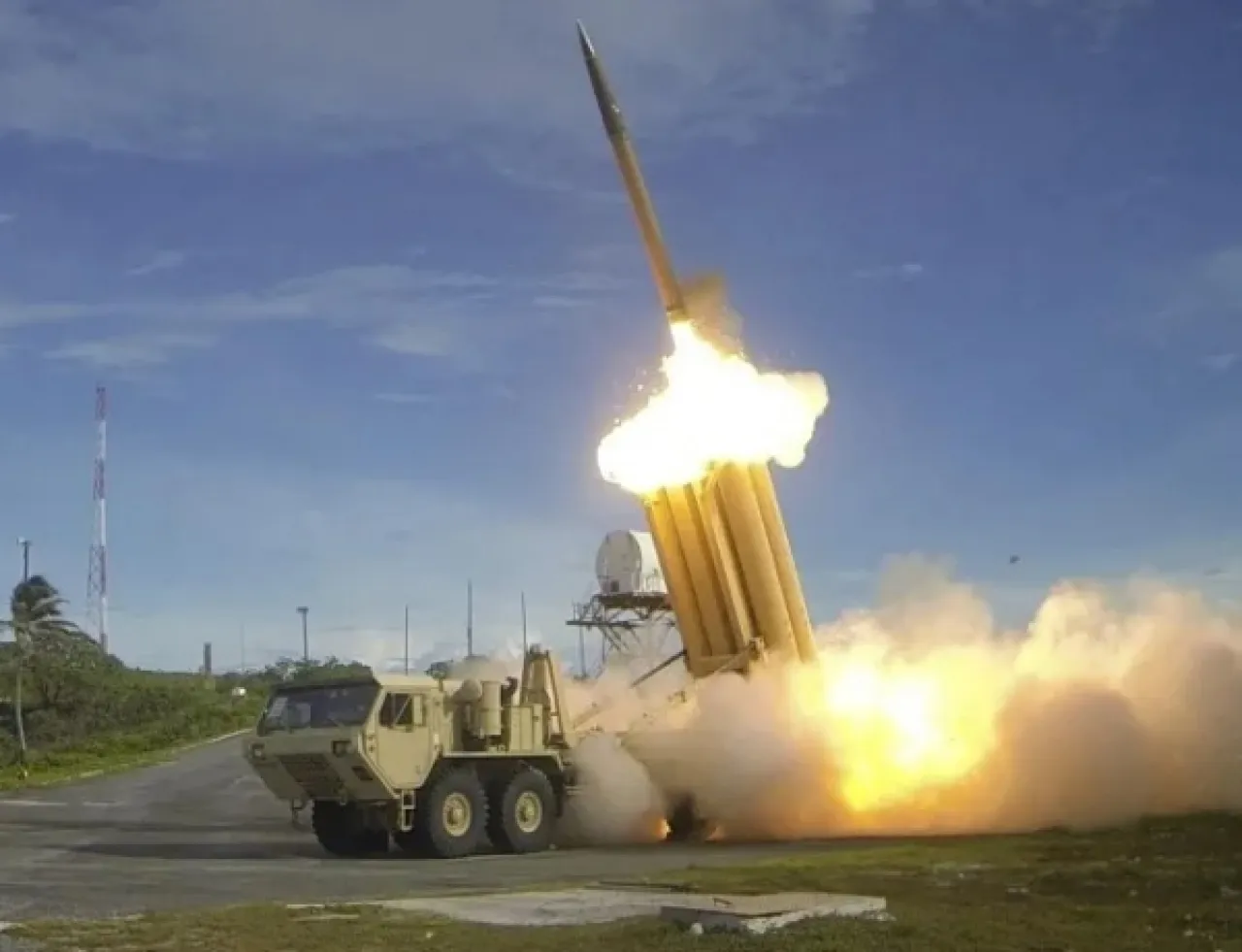
In the last seven weeks of the war, the U.S. military consumed at least 45% of its stockpile of precision strike missiles; at least half of its stockpile of THAAD missiles, designed to intercept ballistic missiles; and about 50% of its stockpile of Patriot air defense interception missiles, according to a new analysis by the Center for Strategic and International Studies.
These figures largely match Pentagon's classified data on U.S. stockpiles, according to sources familiar with the assessment.
Earlier this year, the Pentagon signed a series of contracts that would help expand missile production, but the timeline for delivery of these alternative systems ranges from three to five years, even with increased production capacity, according to experts from the Center for Strategic and International Studies and the sources.
In the short term, the United States is likely to retain enough bombs and missiles to continue combat operations against Iran, in any scenario, should the fragile ceasefire fail. However, the remaining number of vital ammunition in the U.S. stockpiles is no longer adequate to face a near-peer opponent like China, and it is likely to take years before the stock of these weapons returns to pre-war levels, according to analysis by the Center for Strategic and International Studies.
Mark Cancian, a retired Marine Corps Colonel and one of the authors of the Center for Strategic and International Studies report, told CNN: "The high expenditures on ammunition have increased vulnerabilities in the Western Pacific. It will take from one to four years to replenish these stocks, and several more years to expand them to the required level."
In a statement to CNN, Pentagon spokesperson, Sean Parnell, said the military "possesses everything it needs to execute at the time and place chosen by the President."
He added: "Since President Trump took office, we have carried out several successful operations across the combatant commands, ensuring that the U.S. military owns an extensive arsenal of capabilities to protect our people and our interests."
The U.S. military has depleted about 30% of its stockpile of Tomahawk missiles, more than 20% of its stock of long-range air-to-ground missiles, and about 20% of its SM-3 and SM-6 missiles, according to the analysis and sources. Replacing these systems will take between four to five years.
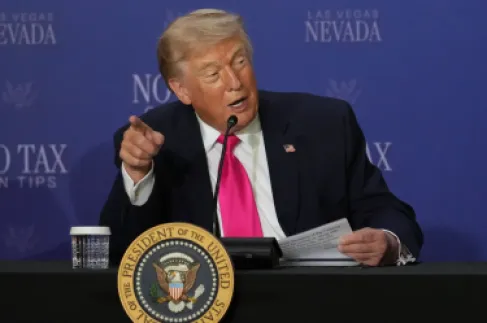
The missile calculations that reflect the depletion of the stockpile are starkly in contrast with President Donald Trump's recent claim that the United States does not suffer from a shortage of any kind of weapons, even as he requested additional funding for missiles due to the impact of the Iranian war on current stockpiles.
Trump said last month, referring to the request for additional Pentagon funding: "We request this for many reasons, beyond even what we're talking about with Iran. We have large quantities of ammunition, especially advanced ammunition, but we keep it."
He added: "It is a small price to pay to ensure we remain at the top of our readiness."
The recent agreements signed by the Trump administration with private companies are expected to boost production, yet the delivery of these crucial ammunitions in the short term remains relatively low due to the small size of previous orders, according to a report by the Center for Strategic and International Studies.
Before the war broke out, the Chairman of the Joint Chiefs of Staff, General Dan Kien, and other military leaders, warned Trump that a prolonged military campaign could affect U.S. weapons stockpiles, especially those supporting Israel and Ukraine, as previously reported by CNN.
Since the beginning of the conflict, Democrats in Congress have expressed concerns about the amount of ammunition used and what it might mean for American defense in the Middle East and beyond.
Senator Mark Kelly, a Democrat from Arizona, said last month: "The Iranians have the capability to produce large quantities of Shahed drones, medium and short-range ballistic missiles, and they have a massive stock of them. So, at some point... it becomes a matter of arithmetic, and how can we resupply ourselves with air defense ammunition? Where will we get it from?"