Khaberni - Russian scientists have developed a sensor based on graphene and polymer, printed on ordinary office paper, capable of detecting diabetes and other diseases by analyzing exhaled air in real time.
The press service of the Semiconductor Physics Institute of the Russian Academy of Sciences reported that the device is capable of identifying disease-indicating molecules with high accuracy.
A statement from the institute read: "We have achieved high sensitivity in measurements thanks to the development of a new nanostructured material for sensors. Moreover, sensors have been designed in various shapes that allow control over the spectrum of molecules captured by the surface, so each sensor only reads the required signals, which may indicate the presence of diseases."
The lead researcher at the institute, Irina Antonova, added: "This development will allow patients suspected of chronic diseases to monitor their health even at home in the future, in addition to the sensor being low cost and easy to use."
The institute noted that the device is capable of detecting very small quantities of acetone, ammonia, and other substances, as the rise in concentration of these substances in exhaled air is an indicator of diabetes or heart failure or kidney issues.
The device consists of a thin membrane that can be easily affixed to a medical mask, making it suitable for use in hospitals, including continuous monitoring of breathing during surgical operations.
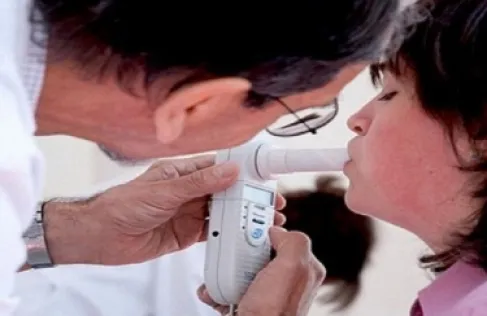
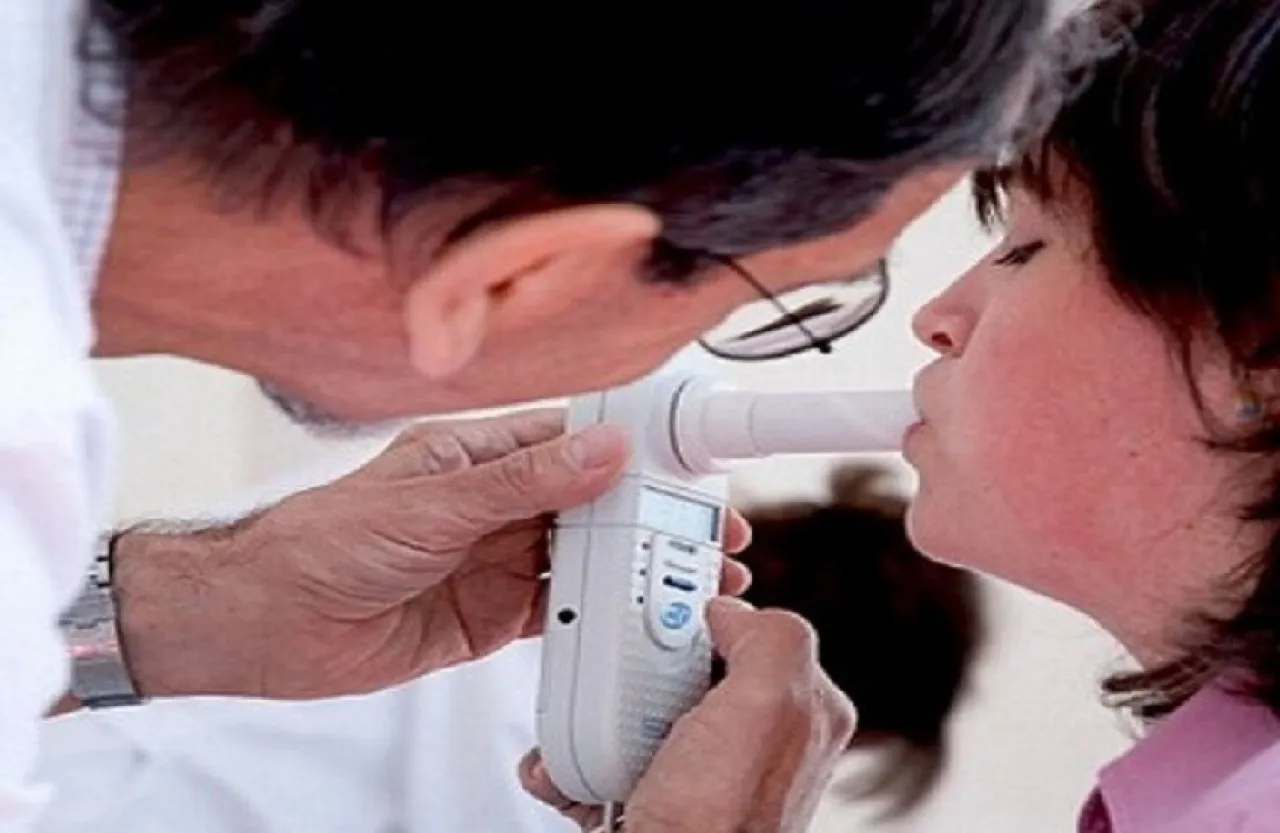
The operating principle of the device is based on the change in electrical current when exhaled air comes into contact with the sensor, as gases are captured by its surface, affecting its ability to conduct current. The results are immediately displayed on a screen in the form of a graph.
The high sensitivity of the device allows tracking even minor increases in glucose levels after eating. The developers tested the sensor on 32 volunteers, including healthy individuals, diabetic patients, and a person who had suffered a heart attack, successfully detecting a peak concentration of acetone in the patients' exhaled air.
The institute added that most current portable medical devices only measure physical indicators such as pulse or blood pressure, while chemical breath analysis devices are often complex and confined to clinics. The new sensor stands out for its simplicity and low cost.
This device was developed in cooperation with the Institute for High Temperatures of the Russian Academy of Sciences, supported by a grant from the Russian Science Foundation.