Khaberni - New research has revealed that a small gland known as the "thymus gland", previously thought to lose its significance after childhood, could play a pivotal role in extending lifespan and enhancing the health of the immune system in adults.
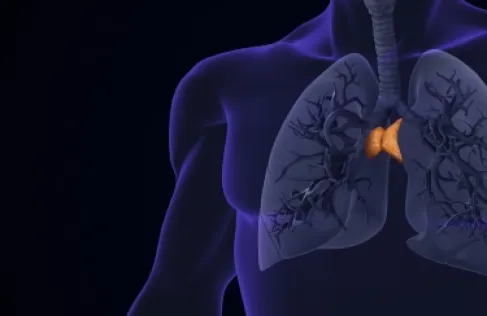
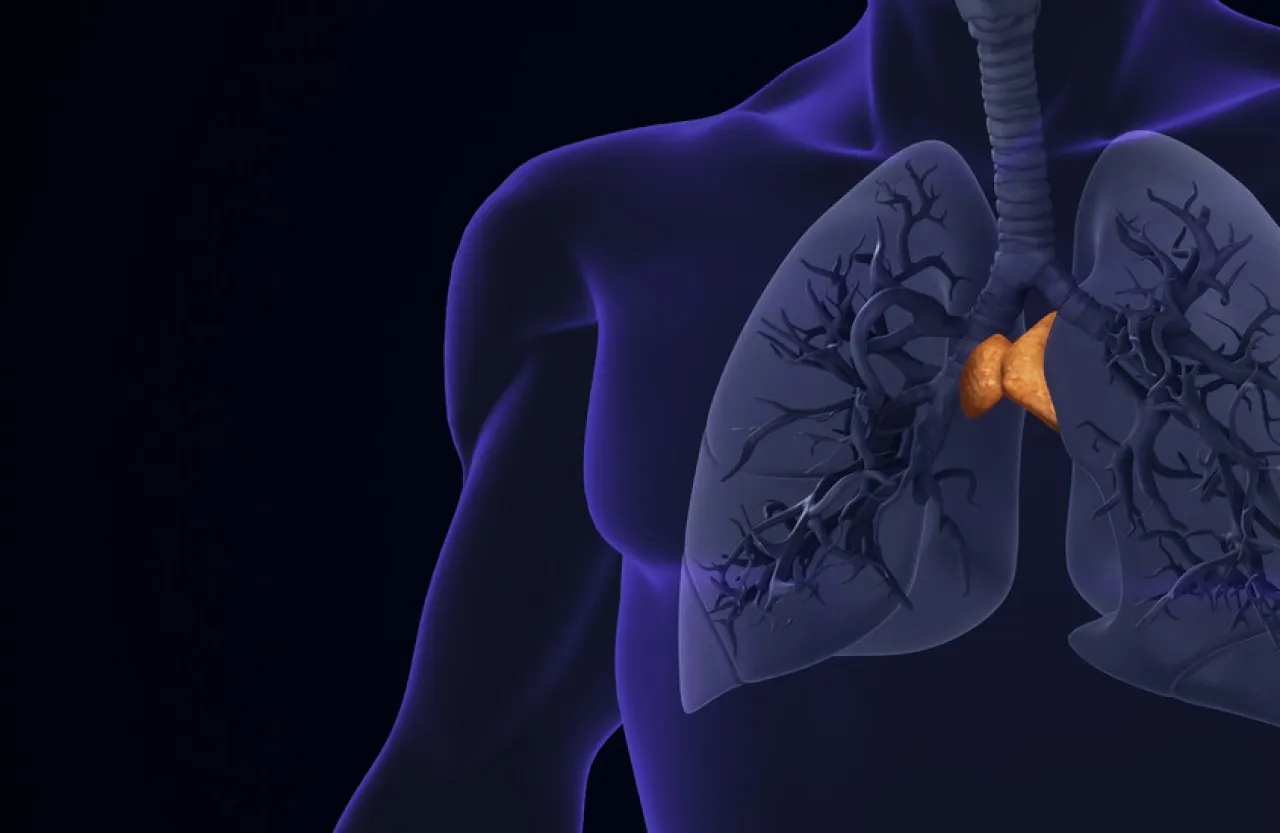
The thymus gland, also known as the "thymus" (Thymus), is located behind the breastbone, and functions like a "training ground" for T cells, which help the body recognize and fight infections.
Although it shrinks with age and produces fewer of these cells after puberty, causing scientists to overlook its role in adult health for decades, two recent studies published in the journal Nature are turning this idea upside down.
In the first study, researchers from "Massachusetts General Brigham" analyzed data from more than 25,000 people participating in a national lung cancer screening program, in addition to more than 2,500 participants in the "Framingham Heart Study".
Using artificial intelligence to review CT scan images, the researchers assessed the size, structure, and composition of each participant’s thymus gland, producing a "thymus health score".
The results were striking: People with a healthier thymus gland were about 50% less likely to die, 63% less likely to die from heart diseases, and 36% less likely to develop lung cancer, compared to those with lower scores. These results persisted even after accounting for age and other health issues.
The second study reviewed data from 1200 cancer patients treated with immunotherapy (a method that relies on stimulating the immune system to fight cancer cells). It was found that patients with a healthier thymus gland were 37% less likely to see cancer progression and 44% less likely to die, regardless of patients' differences and tumor types and treatments.
The researchers explain that the deterioration of thymus function makes the immune system less capable of handling new threats such as cancer. They also linked poor gland health to factors such as chronic inflammation, smoking, and high weight.
Hugo Eirts, one of the study's authors, said: "The thymus gland has been overlooked for decades, and it could be the missing piece in explaining why people age differently and why some cancer treatments fail," he added that these findings warrant greater attention to gland health and could open new avenues for protecting the immune system as we age.
Despite these promising results, scientists stress the need for more studies to confirm these discoveries, expressing hope that a better understanding of thymus health will help doctors better assess disease risks and guide treatment decisions.