Khaberni - Recently, Microsoft disclosed its intention to provide a fresh update for the "Windows 11" system, which introduces more features and fixes various existing issues in the system, including performance issues, according to a report published by the American tech site "Windows Central".
This update represents a continuation of the company's philosophy in improving its operating systems, a philosophy that first started with "Windows Vista" several years ago, but reached its zenith with "Windows 10" and continued with "Windows 11". This philosophy requires updating the Windows system continuously and sequentially until it meets user expectations, even if it takes several years.
Despite this, the policy of continuous updates did not prevent Microsoft from previously abandoning specific operating systems and wholly removing them, with prominent examples being the "Windows Vista" system released in 2007 followed by "Windows 7" in 2009, which achieved tremendous success.
The same scenario occurred with "Windows 8", which the company launched in 2012 but failed to replicate the same success, to be followed - less than three years later - by "Windows 10", launched in 2015 before "Windows 11" six years later in 2021. However, the resounding success of "Windows 10" forced the company to support it for over ten full years, as its official support ended in October 2025.
Overwhelming Popularity Creates Resistance
For its part, "Windows 11" has succeeded in gaining immense popularity among users despite some technical and performance issues, according to a report by "Windows Central". It has become one of Microsoft's largest operating systems in terms of user numbers, currently boasting more than a billion users, according to a report published by the British site "The Register" earlier this year.
For the first time in years, Microsoft has succeeded in consolidating all its users under a single system banner, "Windows 11", allowing it to provide support for one system and focus its marketing efforts and deal-making on this system instead of being scattered across many systems.
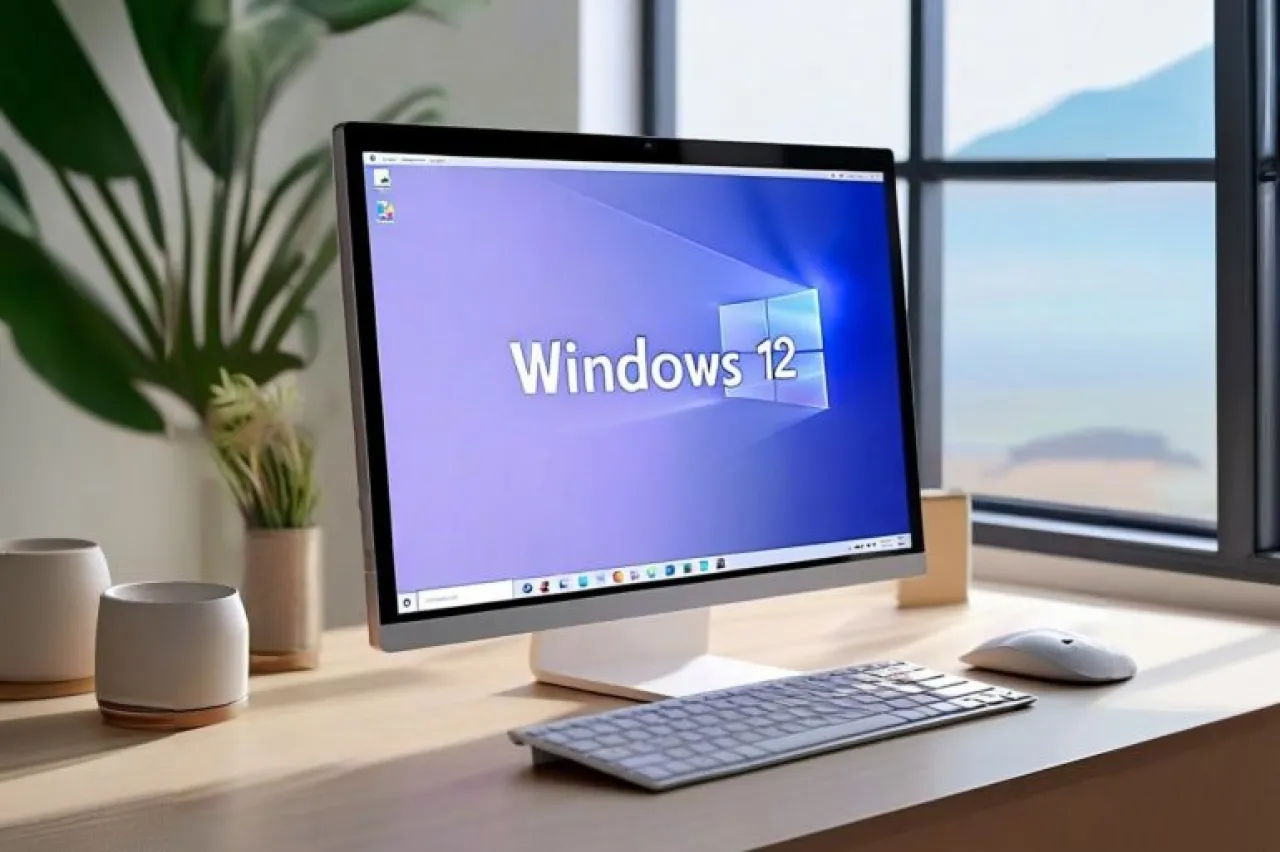
This exceptional situation that "Windows 11" has reached presents a different challenge for Microsoft, preventing it from launching a new operating system, as it cannot force a billion users to switch entirely to that system.
This leaves the company with two paths: the first is to keep a large portion of the user base on "Windows 11", alongside the new system as occurred previously with "Windows 10" and "Windows 11". This means that the company needs to intensify marketing efforts, publicity, and deals to promote the new system, in addition to providing technical and software support to two different operating systems.
Or to have some users of "Windows 11" leave Microsoft's systems entirely, moving to competing systems, whether from Apple or any other company offering alternative operating systems, presenting a significant challenge especially as Google approaches the launch of its proprietary computer operating system.
The "ZDNet" tech site agrees with this perspective, seeing that Microsoft does not need to split its user base between two operating systems at the current time.
Nothing New Offered
Currently, Microsoft cannot introduce an entirely new operating system that provides a revolutionary experience justifying the shift from "Windows 11", due to various hardware crises and the need for new hardware, in addition to the sweeping invasion of artificial intelligence technologies across different sectors.
This means that Microsoft faces two obstacles if it wishes to introduce a new operating system, according to "ZDNet". The first involves the need to elevate hardware requirements and demand more professional hardware for the new system to operate smoothly.
Then comes the artificial intelligence features crisis, a problem that Microsoft has not yet found an ideal solution for implementing in its systems, clearly evident with the confusion in "Copilot" features.
These reasons encourage Microsoft to wait and be cautious before launching a new version of the Windows system, at least until AI technologies aimed at end-users stabilize, and the company attempts to integrate them successfully into its systems.