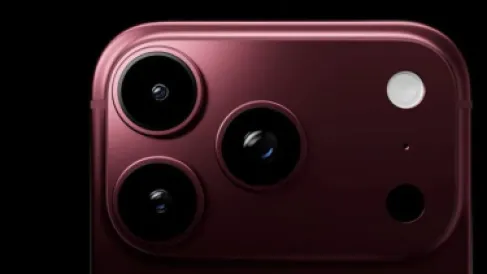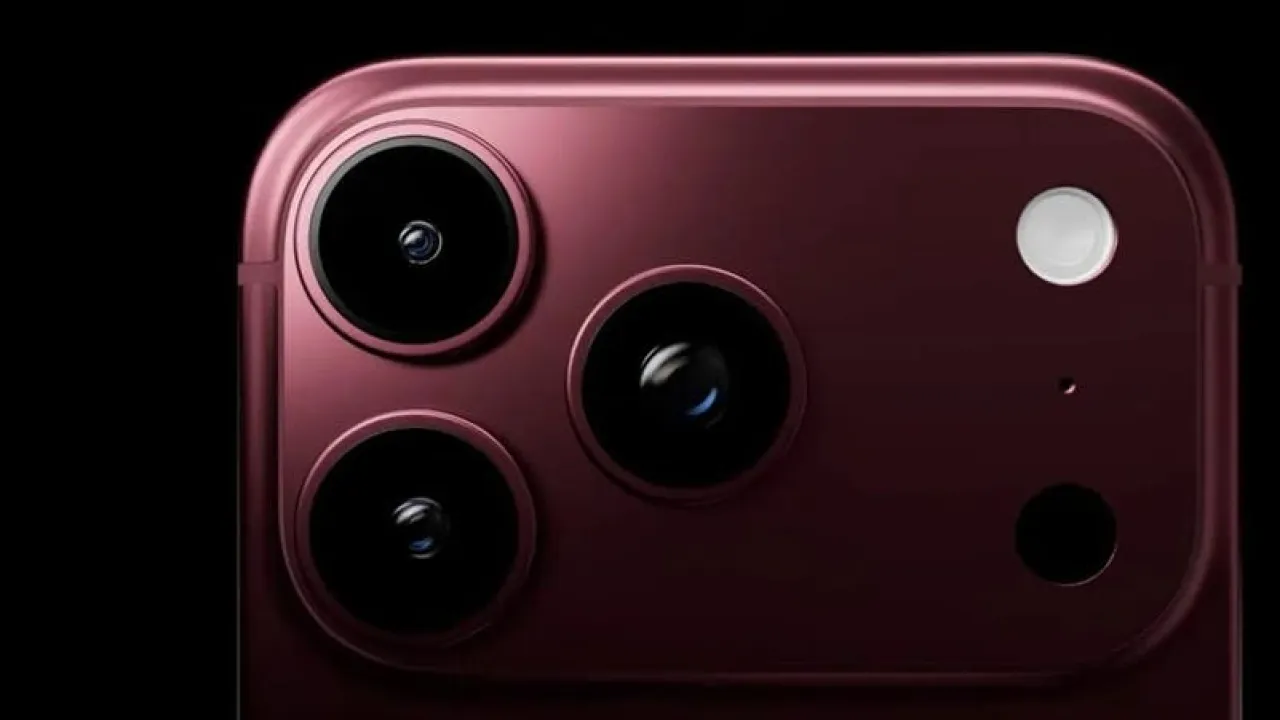
Khaberni - Despite escalating expectations for the launch of the iPhone 18 Pro, recent leaks suggest that the biggest update in the camera may not be as significant as users expect.
While "Apple" is preparing to introduce the variable aperture feature in the main camera, there is a broad debate about its actual effectiveness.
An old feature in a new guise
According to sources from supply chains, the main camera on the phone will rely on a variable aperture lens, a feature that is not new in the world of smartphones, as it appeared in phones like the Samsung Galaxy S9 in 2018, as well as being used by "Huawei" in its flagship devices since 2021.
Nevertheless, "Apple" is expected to heavily promote this feature during its annual conference in September, considering it one of the most prominent elements of the update, according to a report published by "phonearena".
What is the variable aperture?
Aperture is responsible for the amount of light that reaches the camera sensor, expressed by the symbol “f”.
The smaller the number, the more light that enters, which improves shooting in low light.
In current phones like the iPhone 17 Pro, the aperture is fixed (like f/1.78), while the variable aperture allows control over its size, thereby controlling the lighting and depth of field (blurred background).
Limited impact on photos
Despite the theoretical benefits, experts believe that the impact of this feature on smartphones will remain limited.
The main reason is the small size of camera sensors in phones compared to professional cameras, which reduces the effect of aperture on depth of field.
In other words, even with the variable aperture, the phone will not be able to provide strong natural background isolation without relying on software processing, and the improvement in lighting will not be significantly noticeable.
A feature aimed at video
In contrast, the real benefit of this technology may be in video shooting, especially for professional users.
It allows adherence to what is known as the “180 degree rule” in cinematography, which requires setting the shutter speed to match the frame rate.
In current phones, this may lead to lighting issues, forcing users to use external filters.
With the variable aperture, the incoming light can be reduced directly from the lens, eliminating the need for additional accessories.
Added complexity and limited benefit
However, this feature introduces mechanical complexity to the camera, which may increase the likelihood of malfunctions, in addition to contributing to the increase in the size of the camera unit, one of the reasons that led "Samsung" to abandon it after the Galaxy S10 series.
What should "Apple" have done?
Analysts believe that the most logical upgrade would have involved using a larger sensor, which would have significantly improved the quality of photos and videos, particularly in low light, and would have provided better isolation effects.
Ultimately, the variable aperture may seem like an exciting technical addition on paper, but in reality, it will not make a significant difference for the majority of users.
As the twentieth anniversary of the iPhone's launch approaches, this phone may just be a transitional station before a larger leap in 2027.