Khaberni - Mass casualty incidents are among the most complex challenges facing health systems, especially in areas of conflict, natural disasters, or major accidents. The Family Health Care Institute (of King Hussein Foundation) here highlights the response mechanisms and life-saving interventions under such circumstances.
In areas of conflict, natural disasters, or major accidents, the number of injured often exceeds the immediate capacity of health facilities, requiring a rapid and organized response based on clear principles for life-saving interventions. These interventions aim to reduce mortality and prevent deterioration of critical cases during the first minutes and hours, often referred to as the "golden hour".
The first step in dealing with mass injuries is medical triage, which is the process of classifying the injured according to the severity of their condition and priority of treatment. Triage does not always mean treating the most severely injured first, but rather prioritizing those who can be quickly saved through simple interventions. Color-coded systems (such as red, yellow, green, and black) are used to facilitate rapid decision-making. The goal of this system is to use limited resources as efficiently as possible.
The response mechanisms differ clearly between handling individual emergency cases and mass injury incidents. In individual cases, medical efforts concentrate on providing the best care possible for that patient without significant limits on resources, using all available facilities to achieve the best possible health outcome. In mass injury cases, however, the priority shifts from focusing on the individual to achieving the greatest benefit for the largest number of injured, which demands implementing medical triage and making potentially difficult decisions about distributing limited resources. In this context, treatment for some very critical cases may be delayed if their chances of survival are low compared to other cases that can be saved with rapid interventions, hence the goal is to save as many lives as possible.
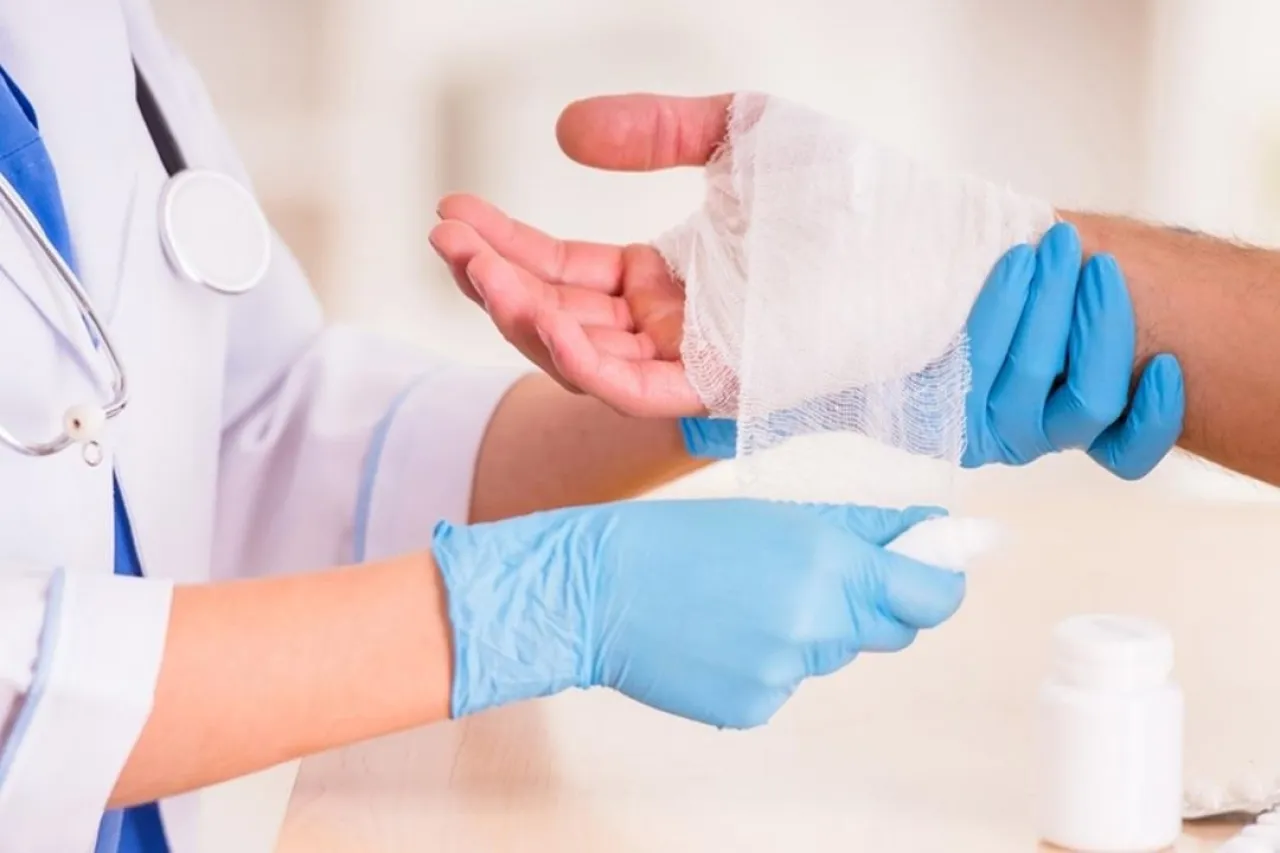
After triage comes the stage of primary life-saving interventions, which can be performed by medical teams or auxiliary medical teams. One of the most critical interventions is controlling severe bleeding, as uncontrolled bleeding is a major cause of death in injuries. This can be achieved using direct pressure, pressure dressings, or tourniquets in cases of severe limb bleeding. The speed of intervention in this stage can mean the difference between life and death.
The second vital intervention is securing the airway and breathing. In many cases, the injured may suffer from airway obstruction or difficulty breathing due to head or chest injuries. It is essential to ensure the airway is open using simple techniques such as head tilt and chin lift, or using aids like oropharyngeal tubes. Breathing support through oxygen or manual ventilation may be necessary when needed.
Circulation is another crucial element, where pulse and blood pressure must be quickly assessed and fluids replenished in cases of shock. In the context of mass injuries, fluid management strategies are preferred to avoid over-administration, focusing on stabilizing the condition until the injured can be transferred to a higher level of care.
Nurses and paramedics play a pivotal role in this stage, often being the first responders. They must be trained on clear protocols enabling them to make quick decisions, such as when to directly transfer the patient to the doctor, or when it is sufficient to continue with primary interventions and monitoring the case. The presence of a multi-level system (from hotline to triage then nursing to the doctor) enhances the response efficiency and reduces the burden on doctors in the early stages.
One of the essential pillars in responding to mass injuries is coordination and communication. Having a dedicated emergency hotline facilitates the quick reception of reports and effective direction of field teams. It also contributes to providing initial guidance to those present at the incident site before the arrival of medical teams. This type of system proved effective during the COVID-19 pandemic and can be easily adapted in different emergency contexts.
In addition, initial psychological support must not be overlooked, as many of the injured and survivors suffer from severe psychological trauma. Teams should be trained to provide simple psychological support aimed at calming the injured, providing a sense of security, and connecting them to specialized services when needed.
Another important aspect is the referral system, where a clear mechanism must exist for transferring the injured from the incident site or primary care centers to hospitals capable of providing advanced care. This requires prior coordination with hospitals, knowing their capacities, and identifying safe and fast transport routes.
In the context of NGOs working in camps or fragile areas, the importance of building local capacities emerges. Training non-specialist personnel on principles of first aid and life-saving interventions can make a significant difference, especially in locations where access is difficult to achieve quickly. Integrating these interventions within primary healthcare services enhances readiness and response.
Finally, improving the response to mass injury incidents requires having clear readiness and response plans, including different scenarios, defining roles and responsibilities, and conducting periodic training. It is also essential to document lessons learned after each incident to develop future performance.
In conclusion, life-saving interventions in mass injury incidents are the cornerstone in reducing mortality and disabilities. The success of these interventions depends on speed, organization, training, and coordination between various levels of the health system. As humanitarian challenges increase, the need to develop these systems becomes more urgent than ever.