Khaberni - Field data and recent Israeli statements reveal a significant escalation in the cost of the confrontation with Hezbollah on the northern front.
This comes at a time when there are increasing indicators of field difficulties and internal pressures within Israel regarding the continuation of military operations in southern Lebanon.
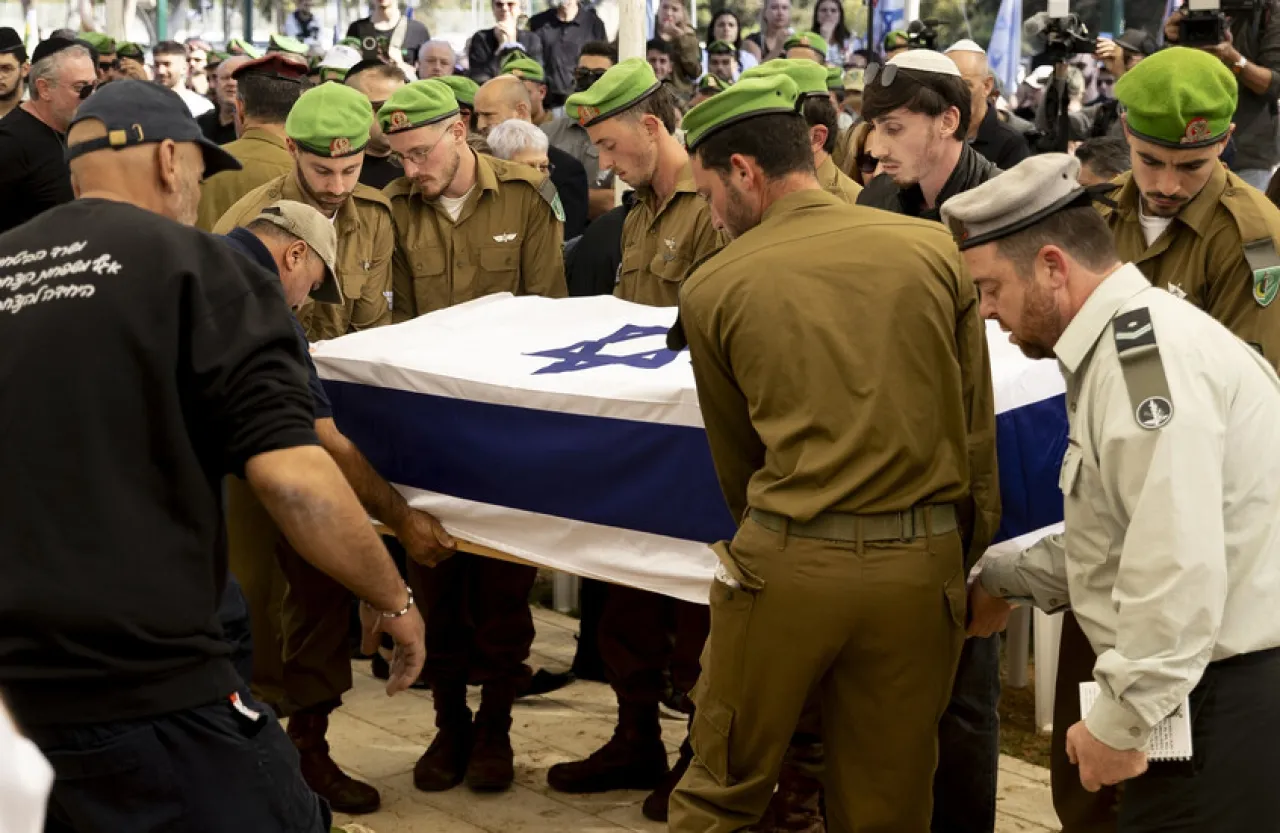
According to the Israeli military, 37 soldiers were injured within just 24 hours in southern Lebanon, while the total number of wounded since the start of the operation has risen to about 690 soldiers, including dozens of serious and moderate injuries. Meanwhile, Israeli Defense Ministry data indicated that 174 soldiers were killed over the past year on various fronts, in addition to the death of 79 civilians.
These numbers reflect the extent of human attrition faced by the Israeli forces, particularly in a complex combat environment like southern Lebanon, where Hezbollah employs unconventional warfare tactics that combine ambushes, missile strikes, and direct targeting of forces.
Criticism of the war's trajectory is growing within Israel, where politicians and commentators have warned of the absence of a "clear decision", despite months of confrontation. Former Defense Minister Avigdor Lieberman has previously stated in Hebrew media that what is happening is an "open attrition" and that Hezbollah is reorganizing its capabilities, warning that a new round of fighting is "only a matter of time".
Military analysts in Israeli newspapers, such as Haaretz, have pointed out that fighting in southern Lebanon poses significant challenges for the army, including difficulties in controlling the ground and continuous exposure of forces to precise fire, which raises the cost of presence there.
In the same context, residents of northern Israel have expressed their frustration with the security situation, considering that the ceasefire has not radically changed the reality, and that the threat is still present, with some describing the situation as "a return two thousand years back in time".
Concurrently, with the field losses, concerns are also escalating within the military establishment about the repercussions of ongoing attrition, where the Chief of Staff Eyal Zamir warned that continuing the operations at their current pace could pressure the army's readiness unprecedentedly, even openly talking about its collapse.
Military estimates indicate that the recruitment crisis, especially in relation to the Haredim, exacerbates this pressure, amid a shortage of manpower needed to compensate for losses and rotate combat units.
This concern reflects broader fears of the army's eroding ability to sustain a prolonged war on multiple fronts.
These data suggest that the confrontation is moving towards a pattern of "protracted low-decisive war", where neither side can achieve a swift victory, against the backdrop of ongoing human and material losses. Additionally, the rising numbers of casualties and injuries reflect operational challenges faced by the Israeli army in dealing with Hezbollah's flexible combat structure.
Observers note that the escalating losses might increase internal pressure on the Israeli government, pushing it towards two tough choices: either a greater escalation against Hezbollah to attempt to achieve a military achievement or accepting settlements that would ignite a significant crisis within Israel.
Ultimately, the numbers and Israeli statements suggest that the battle in southern Lebanon has evolved beyond just a limited military round into a prolonged test of attrition, revealing the limits of traditional military power in facing asymmetrical wars. These developments also reflect the erosion of political and military maneuver margin for decision-makers in Tel Aviv, amidst ongoing losses and declining confidence within that a decisive victory can be achieved.