Khaberni - Google is working on shaping the future of its devices through a new feature it is developing in secrecy, named «Pixel Glow», which may not only be limited to smartphones but could extend to include laptops within the Pixel ecosystem.
This feature first appeared inside the code of Android 17, indicating a different direction that blends design and function in an unconventional way.
Pixel Glow relies on dim lighting on the back of the device, serving as a visual alert for the arrival of important notifications, especially when the phone is placed face down.
This idea revives old LED lights, but in a more advanced style that aligns with modern trends in phone design.
The lighting's function is not limited to alerts only; it can also interact with calls from favored contacts, or during the use of the Gemini assistant, providing visual signals that confirm device interaction without needing to look at the screen.
According to PhoneArena, this move comes as part of the "digital wellbeing" trends, aimed at reducing continuous screen time while keeping the user informed about the most important updates.
The code suggests that Pixel Glow may not remain confined to phones, as it is likely to support desktop devices, enhancing the chances of bringing back Pixel laptops.
This scenario brings to mind devices like the Pixelbook and Chromebook Pixel, known for their innovative design elements, especially in lighting. These indicators hint at Google's pursuit to unify the user experience across its different devices.
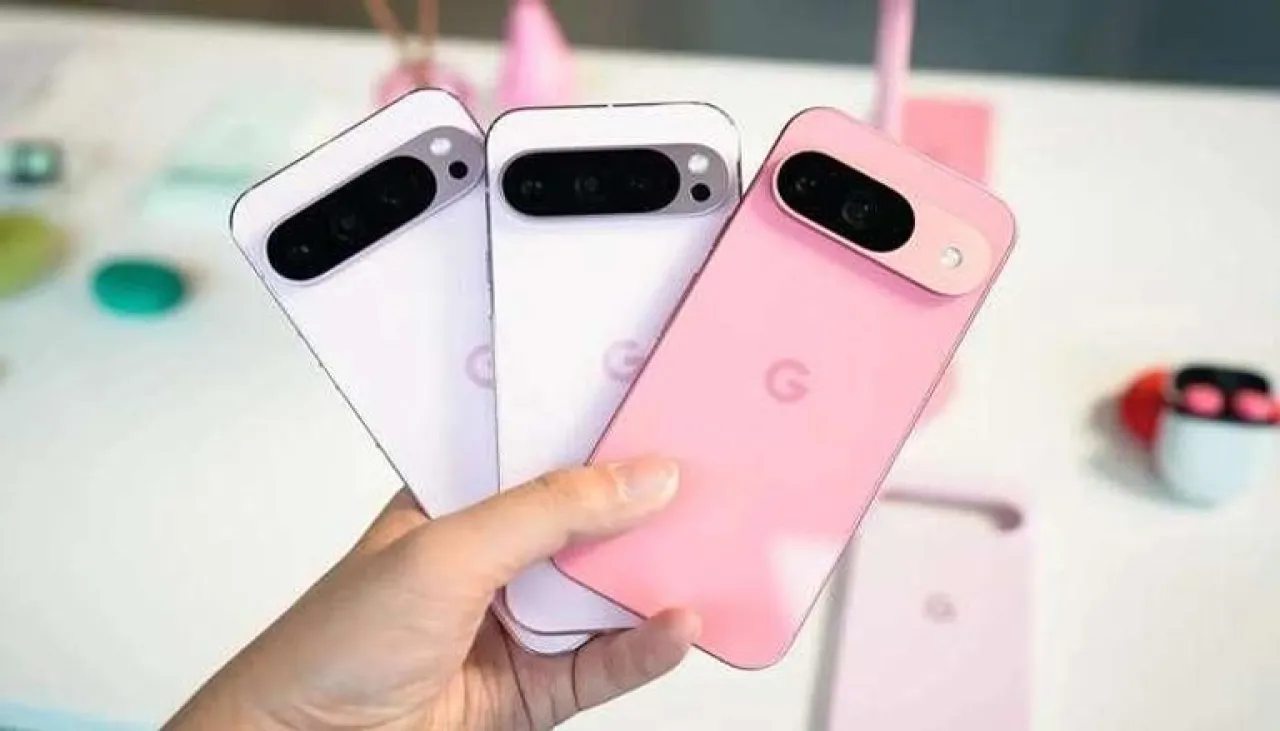
So far, leaks have not disclosed how the feature will be integrated into the anticipated device, especially with the absence of clear openings designated for lighting.
However, expectations suggest the possibility of integrating Pixel Glow into the rear camera strip or in the company logo, which could give the device a distinct visual identity.
Pixel Glow's significance goes beyond the aesthetic aspect; it reflects Google's attempt to build a cohesive device ecosystem, similar to what Apple and Samsung have achieved.
Pixel devices, despite their diversity, previously suffered from poor integration, but introducing a unified element like interactive lighting could change this equation.
If the company succeeds in generalizing this feature, Pixel Glow could become more than just a design element, becoming part of a comprehensive identity that redefines the user experience of Pixel devices, pushing them towards stronger competition within the tech world.