Khaberni - As the two-week truce between the United States and Iran draws to a close, tensions increase amidst uncertainty about the future of negotiations between the two parties, and the world holds its breath waiting to see how the situation will unfold.
While the corridors of diplomacy in Islamabad were abuzz with promises of an "imminent deal", the waters of the Strait of Hormuz told another tale, as the "signs of good faith" from Iran dissipated under the pressure of the American "naval blockade", turning energy corridors into a real testing ground for advancing the peace agreement between Washington and Tehran.
It is thus a frantic race between President Donald Trump's desire to strike a "historic deal" to end weeks of bombing, and Iran's insistence on extracting recognition of its "field victory" and imposing new rules in the world's most important navigation channel.
Fluctuating Paths
The Iranian-American crisis is experiencing unprecedented political and field instability, oscillating between cautious optimism and warnings of a return to the "language of bombs".
This fluctuation is not just a difference in viewpoints, but a reflection of a clash of wills. While the White House seeks to market "progress" that would calm energy markets, Iran insists that any progress that does not touch on lifting the "naval blockade" on its ports is merely a maneuver that does not oblige it to silence.
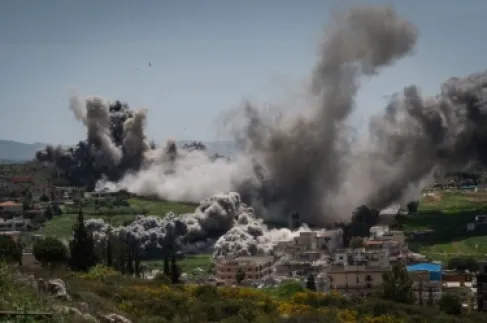
This contrast has put the fragile truce that began on April 8th on the line, and turns the next few days into a real test between moving forward on a peace agreement or returning to field warfare.
The Final Agreement is Still Far Away
In statements reflecting the stamina of the Iranian negotiator, Parliament Speaker Mohammad Baqer Qalibaf set the limits of Iranian expectations, confirming that the Islamabad talks "made progress" but have not yet reached the ceiling of a "final agreement".
Qalibaf emphasized that the gaps are still "significant," describing the US administration as "lacking trust" and needing to abandon the "approach of dictates".
The most important message in Qalibaf's speech was the direct link between the field and politics, considering Iran's acceptance of the ceasefire as the result of "the other party's acceptance of Iranian demands", affirming that it is Iran actually controlling the Strait of Hormuz, and what has been achieved is a "field victory" that cannot be relinquished at the negotiation table.
Blackmail Rejected
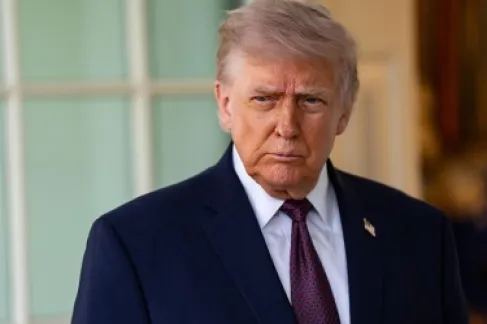
On the other hand, President Donald Trump appears caught between his desire to achieve a diplomatic success that alleviates the impact of inflation and rising gasoline prices ahead of the mid-term congressional elections, and the need to maintain "military prestige" of the United States.
Trump, who described the negotiations as "very good", did not hesitate to describe Iran's maneuvers in Hormuz as "cunning" and "blackmail" that Washington will not succumb to.
While Trump expressed optimism about reaching an agreement regarding the stockpile of enriched uranium (60%), he continued to wave the threat of military escalation, warning that he may not extend the ceasefire if a real breakthrough does not occur before the truce ends next Wednesday.
This dual discourse reflects Trump's stance, as he tries to balance between a "last-minute deal" and the ongoing naval blockade, which he considers a pressure tool that is non-negotiable.
Hormuz is the Key Word
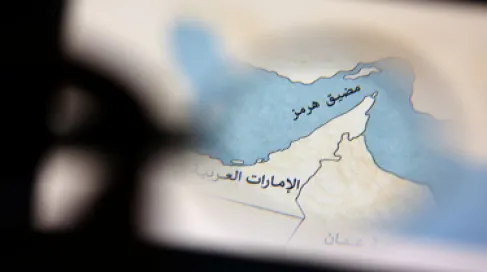
In the field, the Strait of Hormuz has turned into an indicator of the level of tension. After a brief easing that allowed the passage of eight tankers, Iranian forces announced the "closing of the strait again." This dramatic shift came in response to what Tehran described as "American piracy" and the ongoing blockade of Iranian ports.
The closure did not stop there, but was exceeded by the "command of Khatam al-Anbia headquarters" imposing fees and costs related to "security and safety", warning any ship from leaving its mooring without coordination.
These warnings were translated into field actions, as shots were fired at ships flying the Indian flag, prompting an angry diplomatic movement from New Delhi. This escalation puts hundreds of ships and about 20,000 sailors into actual siege, and returns oil prices to a square of concern after a temporary decline that did not last long.
The US Operations Room in Anticipation
In Washington, the atmosphere seems more somber on the intelligence and political front. Axios website reported a senior American official warning that "war may resume in the coming days" unless a breakthrough occurs.
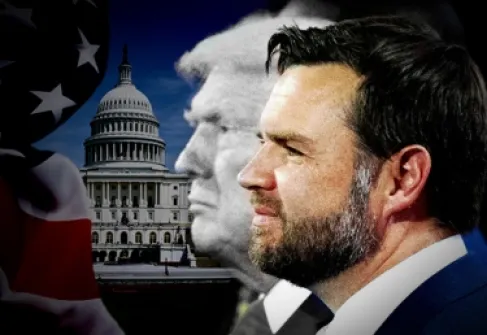
The emergency meeting Trump held in the "Operations Room" with Vice President JD Vance and top military and intelligence leaders reflects the seriousness of concerns about the collapse of the truce.
The absence of a specific date for a new round of negotiations in Islamabad increases the likelihood of returning to the military solution, which Washington may see as a necessary option to relieve the stranglehold on international navigation.
Israel Pushes for Escalation
In Tel Aviv, the Israeli military closely monitors the scene in coordination with the US Central Command (CENTCOM). Channel 12 in Israel reported from a source described as knowledgeable that if no breakthrough occurs in the US-Iran negotiations, war may resume in the next few days.
Maariv newspaper reports reveal preparations for a scenario of "sudden breakdown of the truce". The newspaper quoted military officials stating that the joint Israeli-American target bank now focuses on the next stage on "Iranian energy facilities".
Israel believes that Iran enters negotiations while in a state of "weakness and exhaustion" after receiving more than 37,000 shells over 40 days of fighting.
The Israeli side bets that the next strike must be "very painful" to ensure Tehran's inability to use its "projections" or the Strait of Hormuz as pressure points in the future, indicating a strong push towards ending the truce and moving towards a military resolution.
Between Trump's statements about an "imminent deal" and threats from the Revolutionary Guards of "bitter defeats", the truth remains afloat in the waters of Hormuz, and if the Pakistani mediation does not succeed in formulating an "understanding framework" within the next 72 hours, a return to aerial bombing could be the next scenario.