Khaberni - Minister of Agriculture and Vice President of the Supreme Council for Food Security, Dr. Saeb Abdul Halim Al-Khresat, confirmed that the food security situation in the Kingdom is stable and strong according to international indicators, despite the current regional situations and the disruption of global supply chains.
Al-Khresat stated in a statement to the Jordanian News Agency (Petra), that despite limited natural resources, the Kingdom does not completely rely on imports, but adopts a balanced model that combines local production and regulated import within clear policies aimed at diversifying supply sources and enhancing national production.
He explained that the agriculture and food industries sectors effectively contribute to meeting a significant part of the local market needs and are a fundamental pillar in the food security system, while the government continuously works to enhance the food value chains to ensure the integration of local production with thoughtful imports and to minimize risks associated with external dependency.
He pointed out that the agriculture sector achieved the highest growth rate during the fourth quarter of 2025, leading the economic sectors with a growth rate of 7 percent. The value of the agricultural gross domestic product at constant prices reached about 2.26 billion dinars in 2025, and the contribution of the agricultural sector in the gross domestic product increased from 5.1 percent in 2024 to 5.4 percent last year.
Al-Khresat confirmed that the agricultural sector achieved local self-sufficiency for some agricultural products such as vegetables by about 16 percent of the total agricultural products, and also contributed to enhancing regional food security through its agricultural exports, which increased by 10 percent during the year 2025.
He mentioned that the value of agricultural exports was 1531 million dinars in 2024, and rose to 1681 million in 2025 with an increase of 150 million dinars.
He clarified that official data confirm that the strategic stock in the Kingdom is within safe and reassuring levels, where the wheat stock suffices for up to 10 months and barley stock for 9 months, in addition to a sufficient and safe stock of other basic goods such as rice, sugar, oils, and legumes for several periods not less than 3 months, in addition to stock of various types of meats ranging from 3 to 6 months.
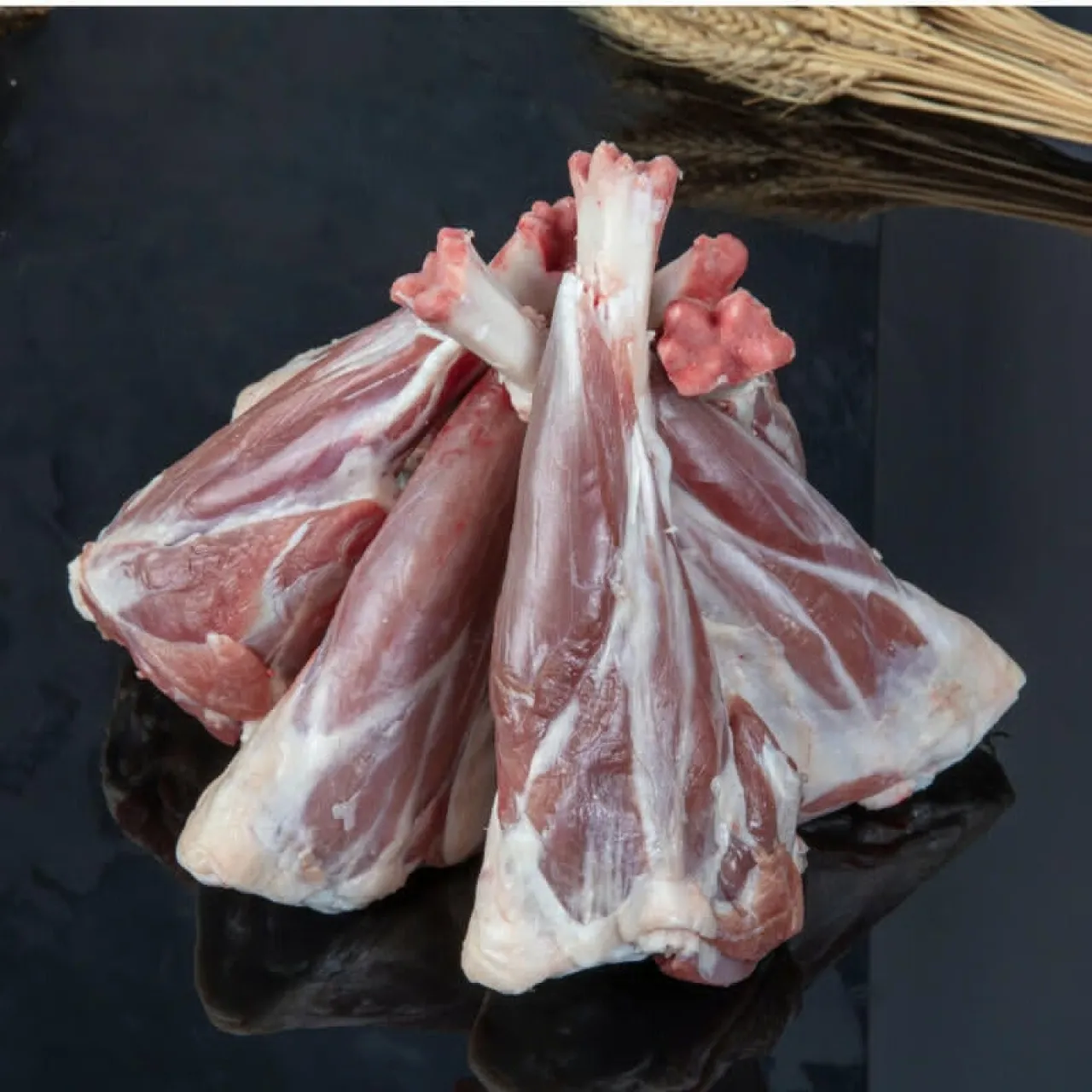
He referred to the stock of mutton sufficing for 6 months and veal for 3 months, as well as poultry for 3 months, with additional quantities contracted under arrival, which enhances the level of food security.
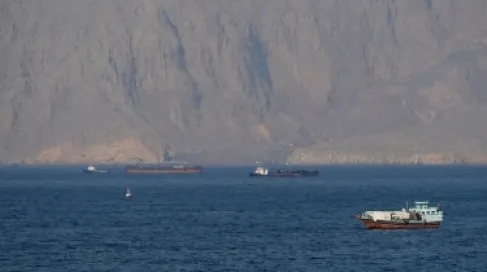
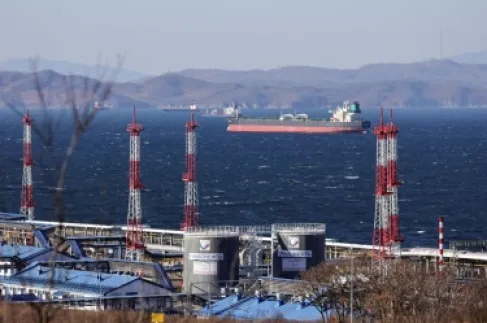
Al-Khresat said that the Kingdom enjoys a high degree of flexibility and continuity of supply chains through the continuous operation of the Aqaba port at full capacity and the regular reception of ships, affirming that the concerned authorities follow daily the movement of trade and transport to ensure the smoothness of supplies, reflecting a high capacity for resilience and adaptation in facing crises.
He pointed to the fact that regional developments led to an increase in energy and shipping costs, yet the government took proactive measures to mitigate the impact of these increases, among them the exemption of the increase in maritime shipping fees from taxes and duties for six months and allowing container transport through the kingdom’s land ports and lifting the exclusivity of transporting them from the port of Aqaba for a month, in addition to facilitating customs clearance procedures for foodstuffs and tightening market monitoring to prevent monopolization, asserting that the impact of cost increases remained limited and managed within effective policies and did not significantly reflect on food prices.
He also referred to the measures implemented by the government to ensure market stability, most notably supporting the civil and military institutions to provide goods at suitable prices and preventing the export of essential food items to ensure their local availability and tightening market monitoring, and speeding up the entry of food items through electronic systems and regulating import and export operations and opening new markets.
Al-Khresat confirmed that these measures reflect the existence of a comprehensive institutional response system for managing food crises, noting that the citizen did not notice the loss of any essential goods during the crisis.
Al-Khresat indicated that international indicators show a clear and continued improvement in the food security situation in Jordan, according to the "State of Food Security and Nutrition in the World (SOFI) 2025" report issued by the Food and Agriculture Organization of the United Nations (FAO) in partnership with the World Food Programme (WFP), the World Health Organization (WHO), the United Nations Children's Fund (UNICEF), and the International Fund for Agricultural Development.
He said that the rate of malnutrition decreased from 17.9 percent during the period 2021-2023 to 14.3 percent during the period 2022-2024, reflecting a tangible improvement in food availability and accessibility.
The proportion of those unable to afford a healthy diet also decreased from 11.5 percent in 2023 to 10.7 percent in 2024.
Al-Khresat emphasized that food security in Jordan is strong, stable, and has excellent indicators according to international standards, with ongoing policy development to enhance this performance, explaining that the strategic stock is secure and suffices for comfortable periods and that supply chains are flexible and capable of dealing with crises, while the impact of global crises is contained through effective government policies.