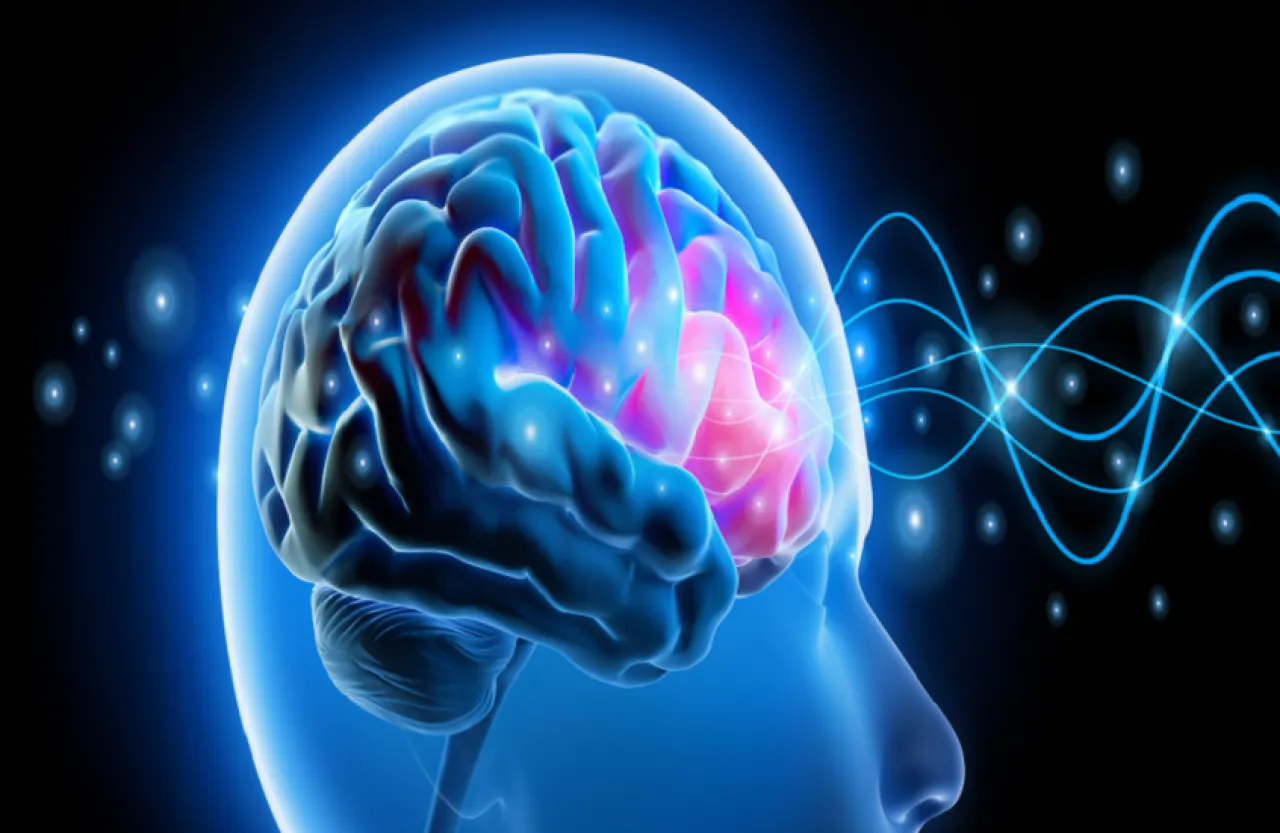
Khaberni - Experts reveal that the human brain is more flexible and adaptable than previously thought, and maintaining its health is not only about preventing decline but can also enhance mental performance as we age.
For decades, scientists and doctors believed that humans are born with a finite number of brain cells that do not regenerate, and that Alzheimer's disease is mostly linked to genetics and cannot be prevented. Based on that, it was believed that brain decline with age was unstoppable.
However, recent research has overturned this traditional view, showing that the brain is capable of reorganization and adaptation, and even of producing new cells in some areas, a phenomenon known as neuroplasticity.
Studies indicate that this adaptability does not only apply to recovery from injury but also extends to improving cognitive abilities if the brain is stimulated with the right habits. With a healthy lifestyle, the brain can maintain its efficiency and even become more active over time.
In this context, a report published in the "Lancet" journal pointed out that there are 14 modifiable factors that can prevent about 45% of dementia cases through lifestyle changes.
Research also shows that genetic factors associated with Alzheimer's disease, such as the ApoE4 gene mutation, do not necessarily mean that one will develop the disease. Even with this mutation, factors such as physical activity can significantly reduce the risk of cognitive decline.
In a study conducted at Saint Louis University, amyloid protein levels associated with Alzheimer's were compared between inactive individuals and those with high physical activity. The results showed that those with high physical activity who carry the ApoE4 mutation had amyloid levels as low as those without the mutation.
In other words, exercising may reduce some of the risk indicators associated with the disease, highlighting the importance of lifestyle in prevention, regardless of family history.
The impact of these changes is not limited to preventing dementia only but also extends to improving brain functions. According to clinical experience and training programs based on scientific principles, through exercises, good sleep, proper nutrition, and mental training techniques, memory and concentration can be enhanced.
In a study that included 127 patients who underwent a brain training program in Washington, 84% of them showed improvement in cognitive tests within just 12 weeks. Magnetic resonance imaging also revealed an increase in the volume of the hippocampus in more than half of the participants, the area responsible for memory.
A subsequent trial on patients suffering from brain injury effects showed significant improvements in more than 80% of them in attention, mood, sleep, and memory.
These results reflect the brain's ability to adapt and change according to experience, a property known as neuroplasticity.
These findings confirm a fundamental rule in neuroscience: what is used strengthens, and what is neglected weakens, making continuous brain stimulation an important factor in maintaining its health.
A Swedish study showed that learning new skills such as languages can lead to structural changes in the brain within a few months, including an increase in hippocampal volume and enhanced neural connections.
To understand these results, the brain can be seen as an integrated system consisting of multiple regions that work together as a single network, controlling memory, attention, thinking, movement, and emotions.
This system relies on a delicate balance between neurons, supporting cells, blood flow, and nutrients, along with cleaning processes that occur during sleep.
However, this balance can be affected by factors such as obesity, uncontrolled diabetes, lack of sleep, and chronic stress, which over time lead to cognitive performance decline and increased neurological inflammation.
Memory is not just a static retrieval of information, but a dynamic process that goes through four main stages: acquisition, consolidation, storage, and finally retrieval.
At each stage, the brain works to select, organize, and store information in different areas, then reassembles it when needed into a comprehensive experience.
This demonstrates that the brain is not a static organ as previously thought, but a living system capable of change and evolution, and that daily habits play a crucial role in determining its efficiency over time.