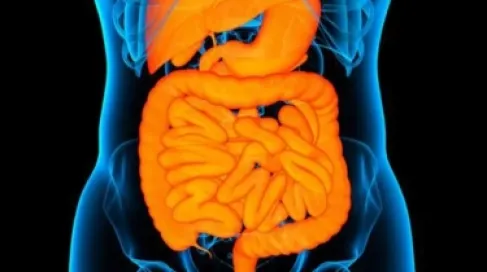
Khaberni - The human intestines harbor over 100 trillion microorganisms that perform functions far beyond digestion, extending to affecting immunity, inflammation, and possibly the genesis of the cancer cells themselves, and do not stop there but extend their aspirations to control the host's dietary decisions.
Recent studies have revealed a silent struggle within the digestive system, where these microbes seek to manipulate eating behavior by creating urgent desires for foods that ensure their prosperity, or even causing discomfort until the host complies with their demands.
Manipulating the brain through chemical pathways
Types like "Salmonella Typhimurium" exploit chemical signals between the intestines and the brain to force the host to continue eating despite being infected, a behavior that contradicts the body's natural response to lose appetite during illness.
Scientists explain that these microbes are capable of producing neurotransmitters like "serotonin," which regulates appetite, with 90% of it produced in the intestines and not the brain, according to the "Live Science" website.
Experiments conducted in 2022 by transferring microbiomes from wild rodents (herbivores, carnivores, and omnivores) to germ-free mice, showed that the meat-dependent microbiome pushed the mice to choose carbohydrates, while the herbivorous microbiomes preferred protein.
This shift was associated with levels of "tryptophan" in the blood, the main component of serotonin, which, when elevated, specifically curbs the craving for carbohydrates.
Bacteria confronting diabetes
A study published in 2025 showed that "Bacteroides vulgatus" bacteria have the ability to suppress the craving for sugars in mice by stimulating the hormone "GLP-1," the same target that famous diabetes and obesity drugs aim for.
Researchers observed a striking contradiction indicated by lower levels of these bacteria in individuals with type 2 diabetes, suggesting a disparity between the microbial composition and the host's health condition.
How to regain control of your appetite?
Scientific solutions to this phenomenon rely on the principle of "starving" the bacteria causing harmful cravings, against "feeding" the strains that support health and metabolism, through the following steps:
Diversifying the diet to break dominance: Consuming 30 different plant types weekly prevents a single bacterial strain from dominating brain signals, thereby scattering urgent desires toward specific foods.
Stimulating the satiety hormone: Consuming "prebiotics" like garlic and onions promotes the growth of bacteria that secrete the hormone "GLP-1," which is responsible for long-term sugar craving suppression.
Breaking the resistance cycle: Changing the microbial composition requires endurance for 14 days for the fat-dependent strains to die off, making healthy choices automatically easier.
Mood support with fermented foods: Fermented foods like yogurt supply the intestines with beneficial bacteria that secrete "serotonin," thus improving mood without the need for harmful dietary rewards.
Eliminating artificial sweeteners: Avoiding alternative sweeteners protects the microbiome balance from disorders that later stimulate excessive craving for carbohydrates and real sugars.