Khaberni - Is your craving for sweets truly coming from you, or are there tiny organisms in your intestines pushing you towards them? A question that is no longer science fiction, but a focus of increasing research that reveals a complex relationship between humans and their internal microbes.
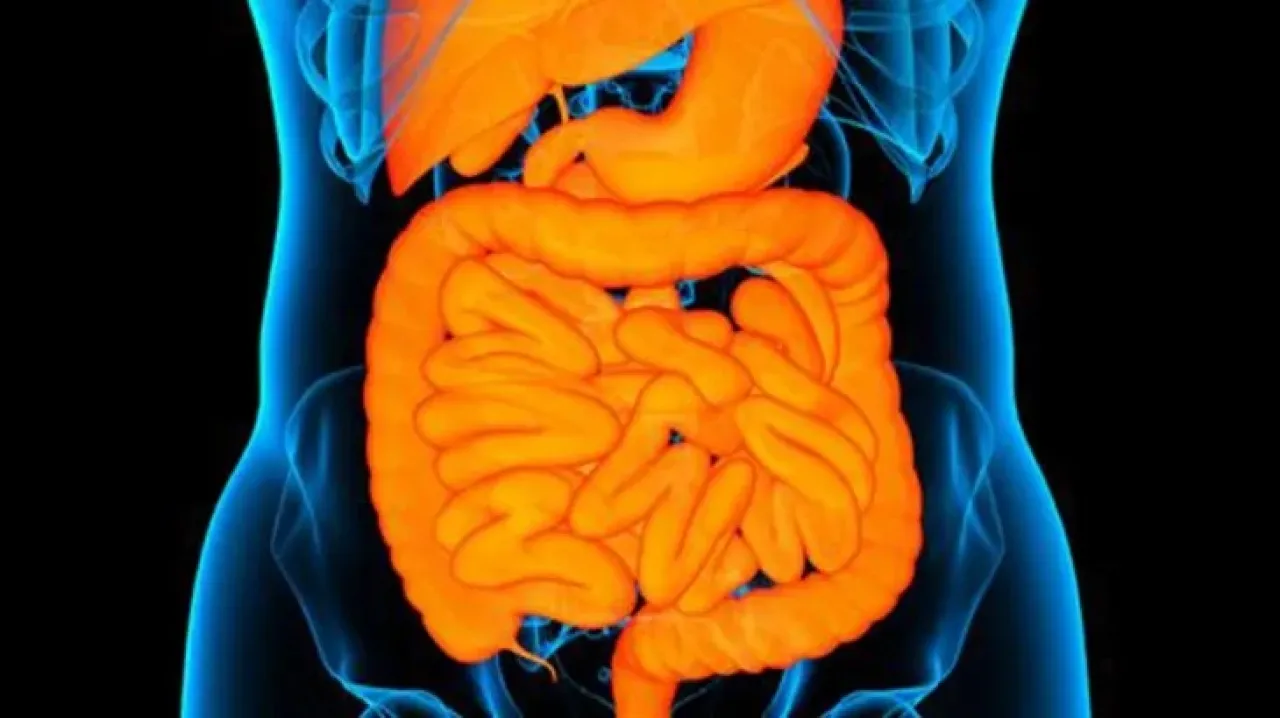
More than 3000 types of bacteria live in the human gut, playing essential roles in digestion and immunity. However, a study published in 2014 in the journal BioEssays posed a striking hypothesis that "these microbes could manipulate our eating behavior, by stimulating the desire for foods that enhance their growth, or even causing discomfort until we eat what suits them."
Researcher Joe Alcock, an emergency medicine specialist at the University of New Mexico, says, "We do not always agree with our microbes." He gives the example of Salmonella Typhimurium bacteria, which can disrupt signals between the gut and the brain, prompting the infected person to continue eating despite the infection, a behavior that facilitates its spread.
Although that study was theoretical, newer research has begun to test the idea practically. In 2022, Kevin Cole, a biologist at the University of Pittsburgh, in collaboration with microbiologist Brian Trevelline from Cornell University, conducted an experiment where they transferred microbes from rodents with different diets to germ-free mice.
The result was surprising, as the mice did not adopt the same diet as the source of the microbes, but their dietary choices changed significantly according to the type of microbiome they had.
How does this happen?
Studies indicate that gut bacteria produce neurotransmitters similar to those used by the brain, such as serotonin, which is responsible for the feeling of satiety. Most remarkably, about 90% of this compound is produced in the intestines, with direct contribution from those minute organisms.