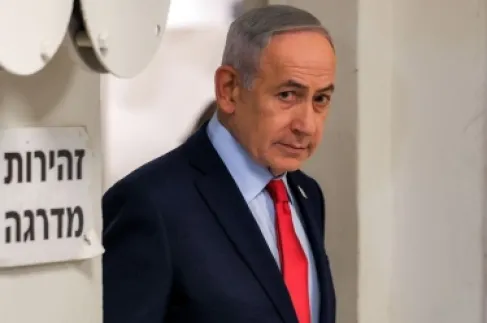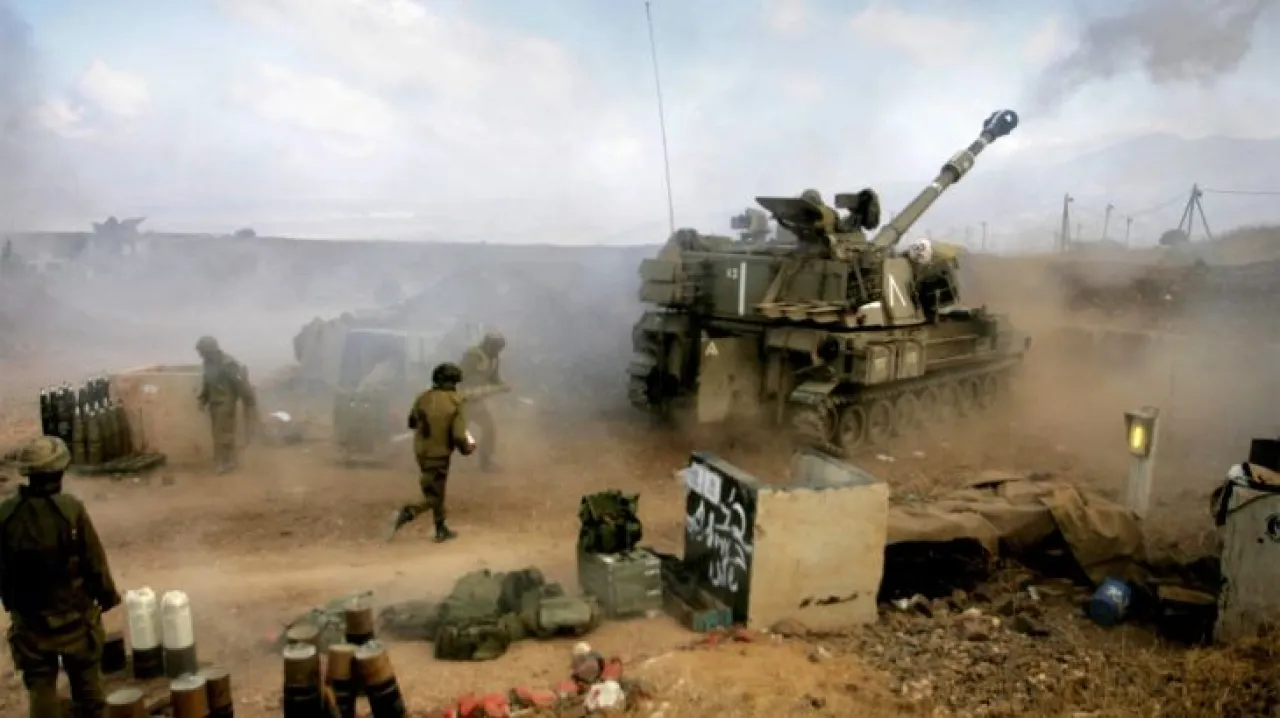
The ceasefire agreement between Lebanon and Israel came into effect at midnight on Thursday, described as an attempt to contain escalation and open a window for a negotiation process under American sponsorship, initially extending to 10 days. Here are the six terms of the agreement.
1- Starting of the ceasefire
The first clause, as announced by the U.S. State Department, stipulates that the ceasefire will take effect starting from April 16th, as a gesture of goodwill from the Israeli side, in preparation for creating a conducive atmosphere for negotiations aimed at reaching a permanent agreement for security and peace between the parties.
2- Extension conditioned on political progress
The second clause opens the door to extend the truce, but links this to tangible progress in the negotiations, and the Lebanese state's ability to extend its sovereignty over its entire territory.
3- Military restrictions and the right to defense
The agreement grants Israel the right to take whatever measures it deems necessary for self-defense in case of any attack, in return for its commitment to refrain from carrying out any offensive military operations inside Lebanese territory, whether by land, air, or sea.
4- Commitments on the Lebanese side
In return, the agreement obligates the Lebanese government to take serious steps to prevent Hezbollah and all armed groups from carrying out any attacks or "hostile" activities against Israeli targets.
5- Exclusivity of arms in the hands of the state
The fifth clause affirms that the Lebanese Armed Forces are solely responsible for the country's sovereignty and its defense, rejecting any parallel role for any other party in this context.