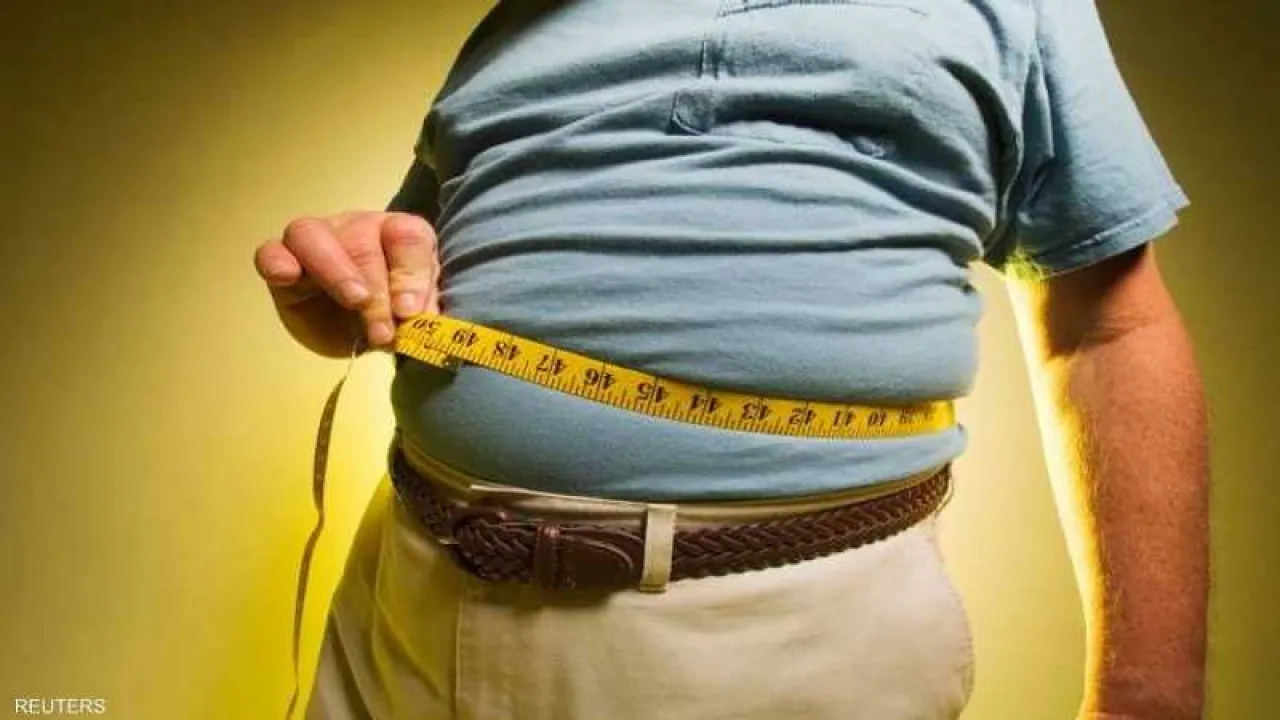
Khaberni - Many view body fat negatively, but scientists understand that adipose tissue is essential for health. It functions as an active organ that plays a central role in metabolism and supports many vital processes in the body.
It is known that excess fat, as in obesity, increases the risk of diseases such as diabetes and heart disease. However, less understood is that losing fat in the wrong way can be equally harmful. In rare cases like familial partial lipodystrophy type 2 (FPLD2), the body loses fat and redistributes it abnormally, which could also lead to diabetes and other metabolic problems.
A paradox in fat biology
This paradox has been a source of inquiry for Dr. Elif Oral, a physician and professor specializing in metabolism, endocrinology, and diabetes, who dedicates her research to understanding the mechanisms of adipose tissue breakdown in conditions like FPLD2 syndrome, aiming to develop and improve available treatment options.
In collaboration with patients of this syndrome, Oral worked alongside Dr. Ormond MacDougald, a professor of molecular physiology and integrative physiology, as well as researcher Jessica Maung and an extended scientific team, to study this condition more deeply. Their collective efforts have shed light on the dysfunction occurring within adipose tissues, opening new avenues for understanding and treating the disease, according to "scitechdaily".
Maung said, "The simple interpretation is that all adipocytes (fat cells) undergo catastrophic changes." To study this, researchers developed an animal model (mouse) in which the Lamin A/C gene was selectively disrupted in fat cells. This gene is known to mutate in individuals with FPLD2 syndrome.
Their analysis of both the mouse model and patient tissues revealed significant disturbances in gene activity. These changes prevent fat cells from storing and processing fats properly. Meanwhile, both fat cells and adjacent immune cells shift to an inflammatory state. Additionally, the mitochondria within fat cells lose their normal function.
Maung added, "All these effects combine to create an environment that really makes the tissues unhealthy and eventually disappear."
When adipose tissue loses its health, the body struggles to regulate fats and secrete essential metabolic hormones, potentially leading to diseases such as diabetes and fatty liver disease.
Oral stated, "This really emphasizes the importance of healthy fat in maintaining the integrity of metabolic processes and functions. People think that type 2 diabetes is a disease that affects beta cells, but in reality, it's also a disease that affects fat cells."
Researchers believe that these findings might contribute to the development of new treatments. By protecting adipose tissues or restoring their function, future treatments might prevent their loss and reduce metabolic complications.